Canyoning In Mexico: Where Matacanes Fits
Mexico has dozens of canyon-descents, but only one of them carries a large, public review record you can actually judge before booking: Matacanes, in the mountains south of Monterrey.
Short answer
Canyoning in Mexico centers on the Sierra de Santiago near Monterrey, where Matacanes is the bookable benchmark: a full day from $144 to $611 per person depending on the listing, rated 4.9 across 1783 reviews on its most-reviewed option. Nearby Chipitin adds seven rappels and Nido de los Aguiluchos offers via ferrata from $108.
Mexico's canyons are not a single scene. They run from the limestone gorges of Nuevo León in the industrial north to the water-carved systems of the Huasteca in San Luis Potosí, and they vary enormously in difficulty, season and access. What the country has lacked, until recently, is a route that travelers could evaluate the way they evaluate a hotel: with a large body of public reviews, printed prices and bookable dates.
That route exists, and it sits about an hour south of Monterrey. Matacanes, inside the Cumbres de Monterrey national park, is the most reviewed canyoning trip in the country by a wide margin, and it anchors a cluster of descents, via ferratas and rappel routes in the same sierra. This guide maps canyoning in Mexico through that cluster, using Matacanes as the benchmark, and covers what the other options cost, when they run and how to pick your first one. Before you book anything, it helps to know that the difference between canyoning and canyoneering mostly comes down to where you're from and whether the canyon runs wet or dry.
Why Is Mexico Such A Strong Canyoning Country?
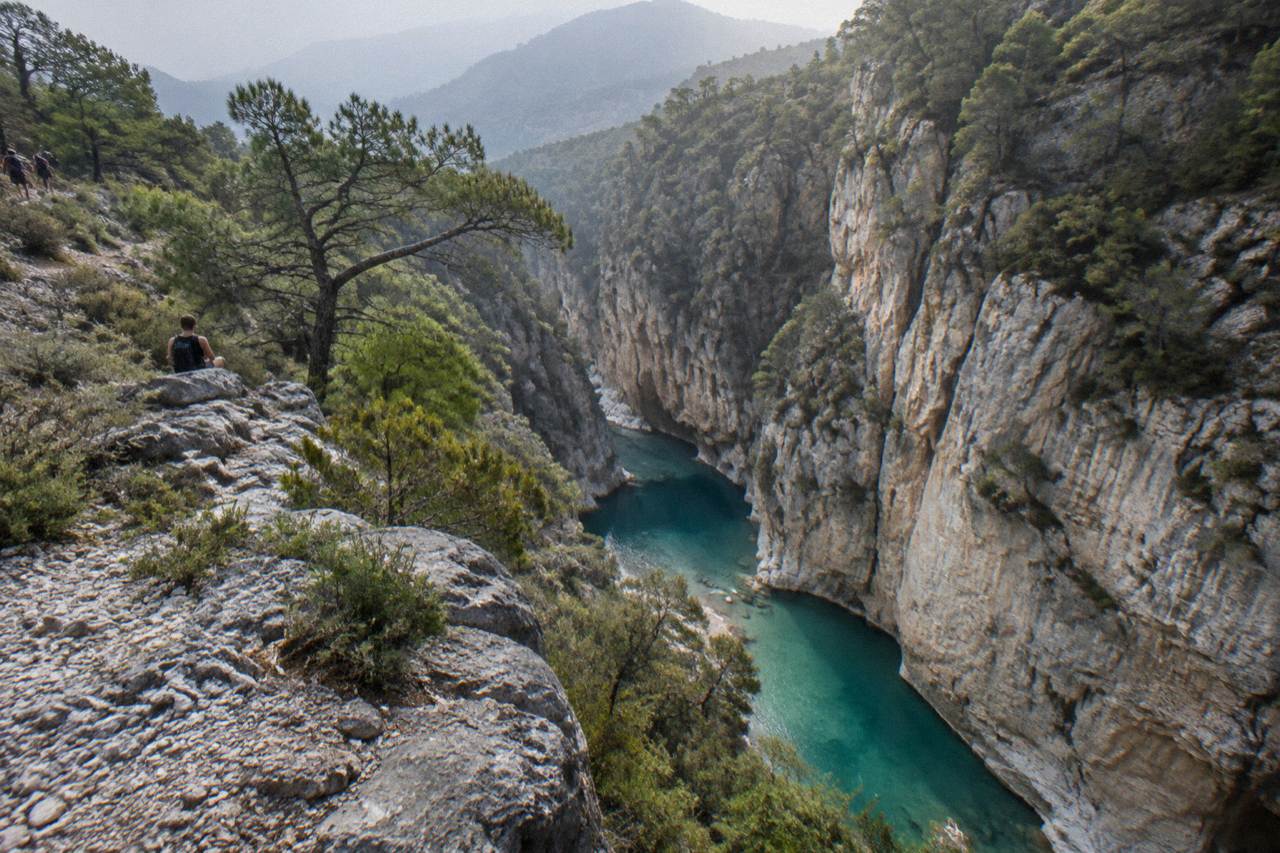
Mexico combines steep young mountain ranges with heavy seasonal rain, which is the exact recipe that carves runnable canyons: narrow limestone gorges, waterfall rappels, natural slides and deep swimming pools. The northern state of Nuevo León alone holds Matacanes, Chipitin, Hidrofobia and the Huasteca walls, while the Huasteca region of San Luis Potosí contributes warmer-water systems. Most Mexican canyoning is seasonal, roughly late March to mid September. Most of those Nuevo León canyons sit close to Monterrey, and our guide to what Monterrey is famous for explains how the city's wild side fits into a trip.
The geography does the work. The Sierra Madre Oriental rose recently in geological terms, and its limestone erodes into vertical slots rather than wide valleys. Add summer rains and hurricane-season moisture flowing off the Gulf, and you get canyons that fill with moving water, which is precisely what a canyoner wants and precisely why the season matters so much. Operators in the Santiago area describe a window that opens around March 21 and closes near September 15, shifting with the rains, because the water level in these gorges is watched daily rather than scheduled.
What surprises many international visitors is how industrial and accessible the base city is. Monterrey is a large, modern metro with an international airport, and the canyon trailheads sit within a short drive of it. You are not trekking into wilderness for two days to reach a rappel. That combination, serious canyons beside a major city, is unusual, and it explains why this one sierra produces so many competing listings for the same handful of routes.
If you are new to the activity itself, our explainer on what canyoning actually involves covers the basics of rappels, jumps and swims before you read any further here.
What Makes Matacanes The Benchmark Mexican Canyon?
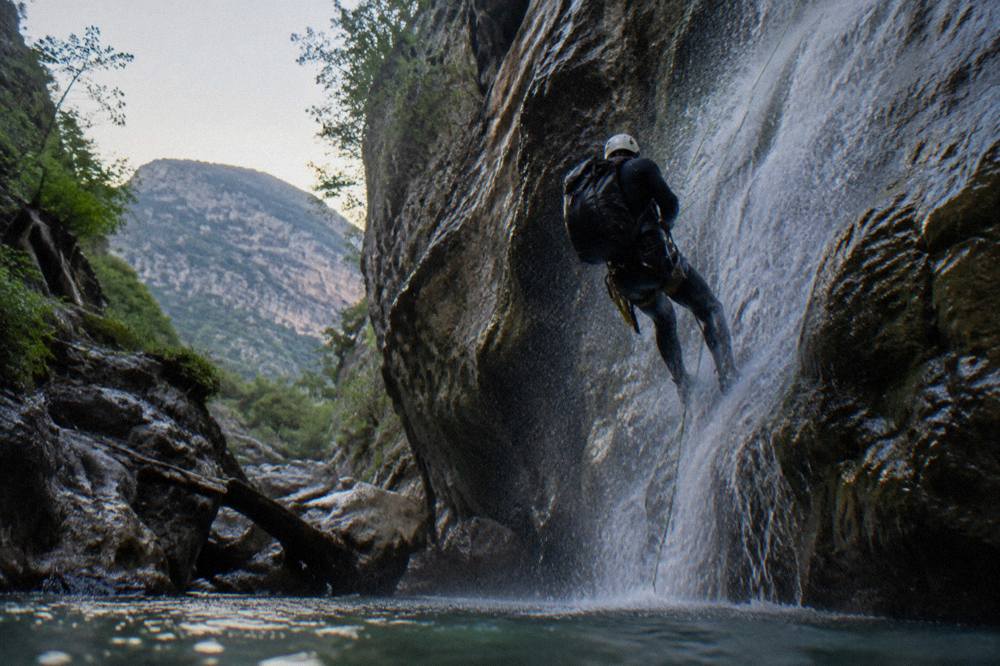
Matacanes is the bookable benchmark because it is the only Mexican canyon with a large public review record: the most reviewed full-day listing carries a 4.9 rating across 1783 reviews, a pool no other Mexican canyoning route approaches. The route itself packs rappels, jumps, slides, swimming and caves into roughly 8 to 10 hours, with a 12 m single drop as the operator describes it. If you want to see how that full-day mix stacks up against other legendary runs, from the Verdon to the Alps, our guide to the world's best canyoning destinations puts Matacanes in its global context.
Review volume is the honest differentiator. A route with thousands of reviews tells you what a bad day looks like as well as a good one, and Matacanes has that record. Other Mexican canyons may be equally spectacular, but their listings carry a handful of reviews or none at all, so you are buying on operator description rather than crowd evidence. That is not a reason to skip them, it is a reason to know which kind of purchase you are making.
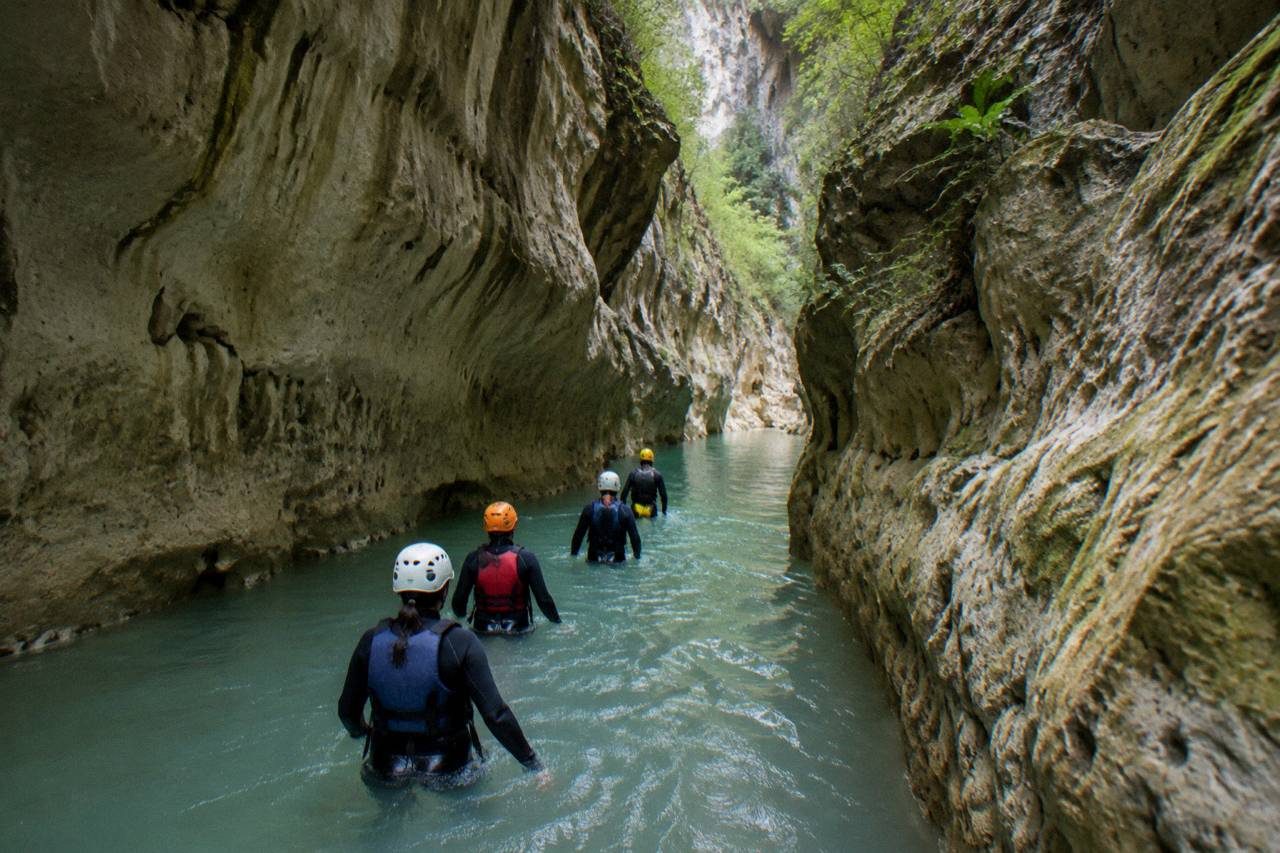
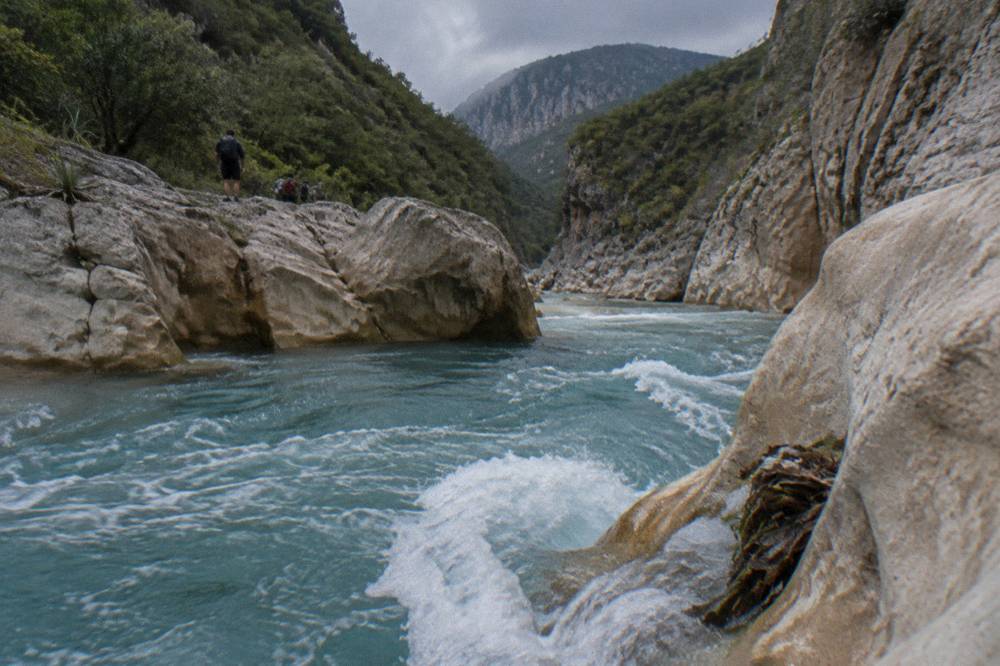
The route earns its reputation on density. One operator statement describes water jumps, swimming sections, rappels, natural slides and a 12 m drop, with much of the day spent in the water and cold-water temperatures in the range operators cite. There are caves on the route, which is unusual: most canyoning destinations do not thread a gorge through a cave system. For a first descent in Mexico, this variety in a single day is the selling point.
For route detail beyond the summary here, our guide to the Matacanes route, its rappels, jumps and slides breaks the descent down stage by stage.
How Does A Matacanes Tour Actually Work In Practice?
A Matacanes tour is a full-day commitment, roughly 9 to 12 hours door to door depending on the listing, built around a central meeting point rather than hotel pickup in most cases. Prices run from $144 to $611 per person across the listings, with the spread reflecting group size, inclusions and transport. Wetsuit, harness, helmet and vest are included on every option, breakfast on most.
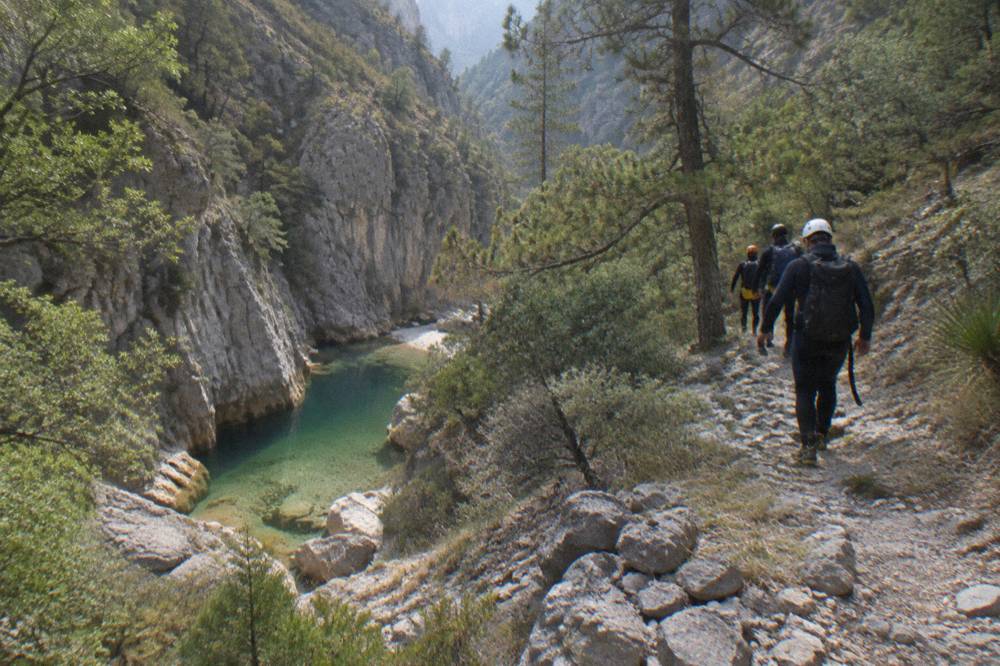
The mechanics matter more than people expect. Most listings meet at a defined point: the Walmart Supercenter on Eugenio Garza Sada in Monterrey, or the Hotel Hacienda Cola de Caballo roundabout in Santiago, from which group vehicles carry you over rough dirt roads toward the Potrero Redondo trailhead area. The road segment to the canyon is steep and unpaved, which is why independent driving to the start is impractical for most visitors. One listing, the from-Monterrey option with lunch, does include round-trip transport from downtown Monterrey and San Pedro Garza García, and that convenience is part of what its higher price reflects.
The day itself is long because the approach, the descent and the return all take time. Operators describe 8 to 10 hours for the core activity, with listings quoting 9 to 12 hours total including transport and meals. Fitness expectations are real: this is an intermediate-level day requiring regular physical condition, and one listing explicitly asks for prior rappelling experience. Our deeper look at how hard Matacanes actually is covers the demands honestly.
Here is how the bookable Matacanes listings compare:
| Listing | Duration | Price From | Rating | Group Max | Meal |
|---|---|---|---|---|---|
| Matacanes Full-Day Canyoning | ~1 day | $158 | 4.9 across 1783 reviews | 25 | Breakfast, snacks |
| Matacanes Full Day From Walmart Las Torres | ~12 hours | $144 | 4.2 across 5 reviews | 30 | Breakfast only |
| Matacanes Small Group From The Hotel Hacienda | ~9 hours | $611 | 4.9 across 27 reviews | 15 | Breakfast, snacks |
| Matacanes From Monterrey With Lunch | ~12 hours | $195 | 5 across 2 reviews | Not on the listing | Full meal |
| Matacanes From Santiago With Regional Meal | ~9 hours | $247 | No reviews yet | Not on the listing | Regional meal |
The small-group listing at from $611 caps the group at 15 and sets a minimum age of 12, and the price sits well apart from the other Matacanes options on this page. The Walmart Las Torres option starts at 4:00 a.m. per its listing, an early trade for a lower price. The from-Santiago listing is Spanish-language guided, which suits confident Spanish speakers staying in the area.
The from-Monterrey listing with lunch is the most inclusive package on the board: transport from the city, safety gear including a full-length wetsuit and headlamp, a full local meal, accident insurance, photos and park permits all in the listed price. Check availability on the live listing to see the current dates, since it also asks for prior rappelling experience.
Which Other Canyons And Routes Sit Near Matacanes?
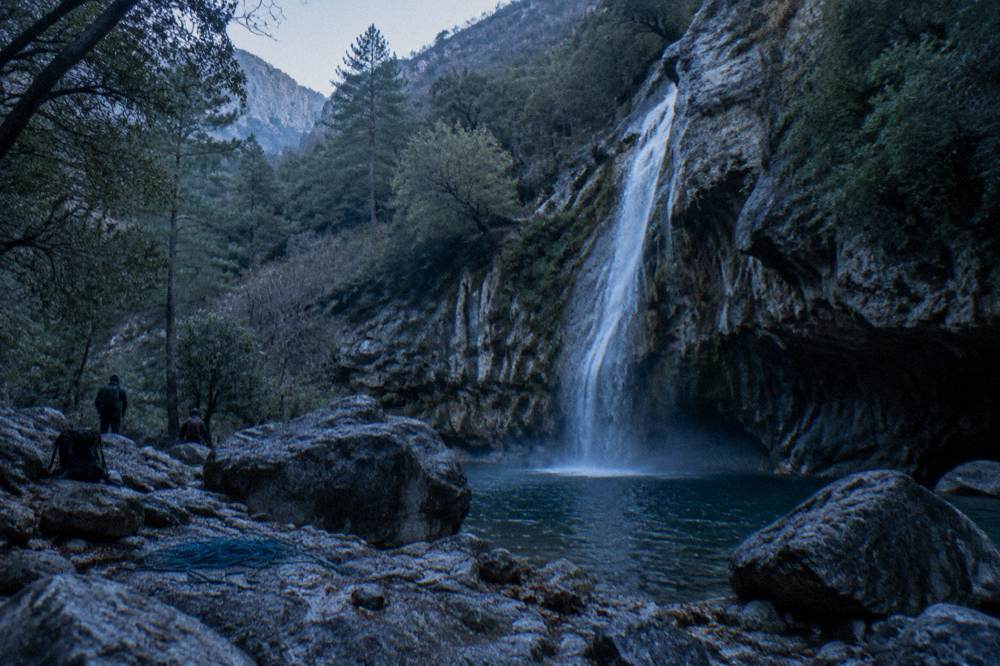
The same sierra holds three other named adventure products: Chipitin, a seven-rappel canyon descent down a waterfall of about 100 m as the listing words it; Hidrofobia, a jump-and-slide canyon with no rappels; and Nido de los Aguiluchos, a via ferrata with climbing and rappels that is not canyoning at all. Each is a separate product with its own price, duration and meeting point.
Treating these as interchangeable is the most common planning mistake. Chipitin is a genuine canyon descent and the closest sibling to Matacanes, but its character is vertical: seven rappels and a big waterfall, rather than Matacanes' mix of jumps, caves and swims. The two Chipitin listings on this site's roster run from $195 per person, one with round-trip transport from Monterrey and one meeting in Santiago, and both are new listings without reviews yet, so you are buying on operator description rather than crowd evidence.
Hidrofobia, in Potrero Redondo, is described by its operator as a water route of more than seven hours with jumps up to 18 m, swimming and natural slides, and no rappels at all, suitable from age 12 up with regular physical condition and a season similar to Matacanes. No Hidrofobia booking exists in this site's roster, so if that profile appeals, the practical route is to ask the Matacanes operators about it directly or plan it for a future trip.
Nido de los Aguiluchos is the value and family option: a 4.9 rating across 753 reviews, from $108 per person, about 7 hours, minimum age 12, group max 15, meeting at the H‑E‑B Gonzalitos parking lot in Monterrey. It is climbing, via ferrata and rappels rather than canyon descent, and one detail matters for planners: the listing carries no customer free-cancellation term, with refund only if the operator cancels for weather or minimum group size.
| Route | Type | Price From | Duration | Rating | Minimum Age |
|---|---|---|---|---|---|
| Matacanes | Canyoning | $144 | 9 to 12 hours | 4.9 across 1783 reviews (top listing) | 12 on some listings |
| Chipitin | Canyoning, 7 rappels | $195 | 12 to 13 hours | No reviews yet | Ask the operator |
| Hidrofobia | Canyoning, jumps and slides | Not bookable here | 7+ hours | Not applicable | 12 per operator site |
| Nido de los Aguiluchos | Via ferrata and rappels | $108 | ~7 hours | 4.9 across 753 reviews | 12 |
The Chipitin from-Santiago listing runs April to September per its own text, a slightly narrower window than the operator season cited for Matacanes, which is worth confirming when you book. Check availability if the seven-rappel profile is what you came for.
For a broader regional sweep including climbing at Potrero Chico and the cable-car caves at Grutas de García, see our guide to other adventure trips near Monterrey.
What Does Canyoning In Mexico Cost?
A bookable canyoning day in the Monterrey cluster runs from $108 for the via ferrata to $611 for the small-group Matacanes listing, with the core Matacanes full-day products between $144 and $195. Two local cash fees sit outside the listing prices: the national park entry of MXN 125 per person per day and the official Potrero Redondo ejido access fee of MXN 60 per person, paid in the community.
The listed price is most of the cost but not all of it. The national park authority states the entry fee as MXN 125 per person per day, with exemptions for older adults, pensioners, people with disabilities and children under 12 with ID. Separately, the Potrero Redondo community charges MXN 60 per person for access to the Matacanes and Chipitin routes, paid at the route entrance, and a community notice warned that outsiders were charging MXN 180 to 250 under the same name, so paying the official amount in the community itself matters.
| Cost Item | Amount | Who You Pay |
|---|---|---|
| Nido de los Aguiluchos via ferrata | From $108 per person | Booking listing |
| Matacanes full-day listings | From $144 to $611 per person | Booking listing |
| Chipitin canyon listings | From $195 to $247 per person | Booking listing |
| National park entry | MXN 125 per person per day | Park authority |
| Ejido access, Matacanes and Chipitin | MXN 60 per person | Potrero Redondo community |
| Gratuities | Optional, excluded on several listings | Your guides |
What the listing price buys also varies. The budget Matacanes listing includes breakfast but no lunch, while the from-Monterrey option includes a full local meal, accident insurance, photos and park permits in its price. Photos are included on several listings but video service is explicitly excluded on two of them, and one listing notes a meal is not included despite its long duration, so read the inclusions line before comparing prices. The booking page shows the live price, and these figures are snapshots rather than guarantees.
For a fuller cost teardown including what gear is included on which listing, our page on Matacanes tour costs and what is included goes line by line. The from-Santiago Matacanes listing with a regional meal bundles the CONANP permit and ejido access into its from $247 price, which is one way to avoid carrying cash for the local fees.

Is Canyoning In Mexico Safe For Visitors?
Guided canyoning in the Monterrey cluster follows a strict equipment and supervision pattern: helmet, harness, wetsuit and life vest supplied and mandatory, certified guides leading every descent, and daily river-level monitoring by the local community and state authorities. Rescues do happen in these canyons, overwhelmingly involving unprepared independent groups, which is why operators and safety reporting treat a guide as standard, not optional.
The equipment standard is not negotiable in practice. Safety reporting on the canyon describes life jackets as mandatory and enforced by the local civil protection authority, and every listing on this site's roster supplies the full kit: helmet, harness with descent system, wetsuit and flotation vest. Helmets stay on for rappels, jumps and swims alike. Swimming ability is described by operator FAQs as not essential because the canyoning vest provides buoyancy, but you must be able to jump into water, and cold-water tolerance matters, with operators citing water temperatures from 12 to 18°C.
The honest safety conversation includes water. These gorges can flash flood, and the local authority warns that rain in the upper sierra can generate sudden dangerous flows even when it is not raining at the canyon itself. That is precisely why the season is monitored daily and why the operator describes suspensions as possible at any time based on river level, not calendar. When a suspension is issued, tours pause; the operator and the booking page are the authority on whether your date runs.
Rescues in recent years are part of the public record in general terms, and the consistent lesson in the reporting is preparation: unguided attempts, inadequate gear and ignored conditions account for the serious incidents. Beyond the canyon itself, check the current official travel advisory for your own government's view of the region and ask your operator directly about their certifications; this site does not print advisory levels or legal permit claims. Our dedicated page on Matacanes safety, rules and rescues covers the question in full.
When Is The Canyoning Season In Mexico?
The northern canyons around Monterrey run roughly March 21 to September 15 per operator statements, with the exact opening and closing shifting each year based on rains and hurricane activity. Suspensions can be issued at any time when river levels rise, including in dry weather, so the booking page and operator are the final authority on whether a date runs.
This is not a red-tape season, it is a water season. The same rains that make the canyons runnable can make them dangerous, and the closure mechanism is ad hoc rather than calendared: Protección Civil de Santiago issues suspension notices when levels rise, and they lift when conditions improve. For example, the authority suspended river, canyon and rugged-terrain activities across the Sierra de Santiago after river levels rose, a pattern consistent with the end of the wet season. Operators describe the pattern the same way, and travelers should read any seasonal promise on a listing as an operator's plan, not a guarantee of a running date.
| Period | Typical Condition | What It Means For Planning |
|---|---|---|
| March to May | Season opening, drier, lower water | Reliable dates, cooler water |
| June to August | Peak season, summer rains | fullest water, warmest air, watch storm forecasts |
| September | Season tail, hurricane influence | High water possible, suspensions more likely |
| October to February | Outside the operator season | Northern canyons not running; via ferrata and climbing still options |
If your travel dates fall outside the window, the region does not shut down. The via ferrata at Nido de los Aguiluchos runs as a climbing-format product, and regional climbing at Potrero Chico is described by climbing guides as best from November through March, precisely the months the canyons rest. Our guide to the best time to do Matacanes treats the timing question in more depth.
How Do You Choose Your First Mexican Canyon?
Choose by format and evidence: for a first descent with the strongest review record, take the Matacanes full day from $144 to $195; for maximum vertical action, take Chipitin and its seven rappels from $195; for a lower-commitment day or a smaller budget, take the Nido via ferrata from $108. Minimum age 12 applies on the small-group Matacanes listing and the Nido listing; other listings state no age minimum, so ask the operator.
Match the product to the person, not the destination to the bucket list. A traveler who cannot swim confidently but can jump into water is fine on a guided Matacanes day per operator FAQs, thanks to the flotation vest, but a traveler who fears heights will suffer on a seven-rappel route built around a waterfall descent. Fitness expectations are real on all the canyon products: operators exclude participants with heart or lung conditions, recent surgery, spinal problems or epilepsy unless notified in advance, and significant overweight requires prior notice. The gear list is short because the listings supply everything technical, so our packing and clothing guide for Matacanes mostly covers personal items.
Read the fine print lines before you compare prices. Free cancellation varies: several listings offer it, the Gaia-format full day and the Nido via ferrata carry no customer free-cancellation term with refund only if the operator cancels, and meal inclusions differ even at similar price points. Group size shapes the day more than most buyers realize, from up to 30 on the budget departure to 15 on the small-group and via ferrata listings, and the from-Monterrey options remove the early-morning meeting-point logistics entirely. On Matacanes Canyoning we keep the full listing set side by side so these trade-offs stay visible rather than buried.
Common Questions About Canyoning In Mexico
Where is the best canyoning in Mexico?
The Monterrey cluster is the most developed and most reviewed: Matacanes is the only Mexican canyon with a four-figure review pool, 4.9 across 1783 reviews on its main listing. The Huasteca region offers warmer-water canyons, and Hidrofobia offers a rappel-free jump and slide route, but for a first bookable descent with crowd evidence, Matacanes is the standard answer.
Do I need experience to go canyoning in Mexico?
No prior experience is needed for the standard Matacanes full day, though one listing does ask for prior rappelling experience and good fitness. Operators describe swimming ability as not essential thanks to the canyoning life vest, but you must be able to jump into water. Chipitin, with seven rappels, suits travelers already comfortable on rope.
What does canyoning in Mexico cost?
In the Monterrey cluster, from $108 for the Nido via ferrata, from $144 to $611 for Matacanes full-day listings, and from $195 for Chipitin. Add two local cash fees for the canyons: MXN 125 national park entry and MXN 60 ejido access per person, paid on site. The booking page shows the live price for every listing.
When is canyoning season in Mexico?
The northern canyons run roughly March 21 to September 15 per operator statements, shifting with rains and hurricanes. The river level is monitored daily, and the local authority can suspend canyon activities at any time when levels rise. Confirm your specific date with the operator or the listing rather than relying on the calendar alone.
Is Matacanes the same as Chipitin?
No. Matacanes mixes rappels, jumps, slides, caves and long swims; Chipitin is a seven-rappel descent down a waterfall of about 100 m as the listing words it. They are separate canyons with separate listings, prices and meeting points, though both are accessed through the Potrero Redondo area of the same sierra.
Can children go canyoning in Mexico?
A minimum age of 12 appears on the small-group Matacanes listing and the Nido via ferrata listing, and an operator states 12 with a parent or guardian accompanying. Several other listings print no minimum age, so ask the operator before booking for a younger traveler. Family cabins around Santiago make the area workable for mixed-age groups.
Is guided canyoning safer than going independently?
Every operator and safety report on these canyons treats a certified guide with supplied equipment as the standard, and the accident reporting that exists involves unprepared independent groups. Flash floods, cold water and technical rappels are real hazards that guides manage daily. If you are weighing the trade-off, our guide on Matacanes with a guide or on your own lays it out.