Is There A Difference Between Canyoning And Canyoneering?
Canyoning and canyoneering are the same sport with different passports, and the difference that actually matters is wet versus dry terrain. Here is how the vocabulary works and where Matacanes fits.
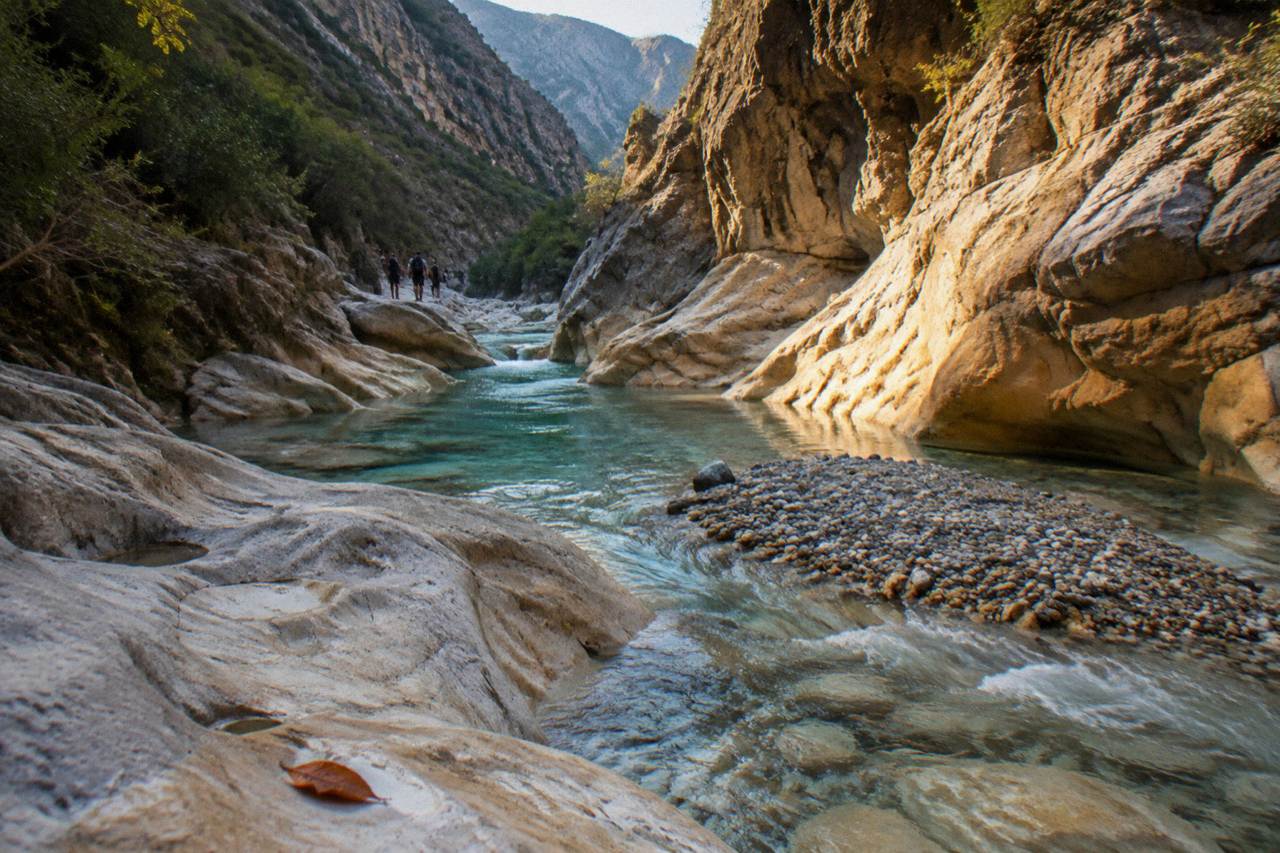
The sport of descending narrow gorges using whatever the terrain throws at you, rope, swimming, jumping, sliding, has picked up two names, and the split confuses people booking their first trip. Search one word and you find alpine gorge descents in France and Slovenia. Search the other and you land in Utah slot canyons. Same skills, different geography, different vocabulary.
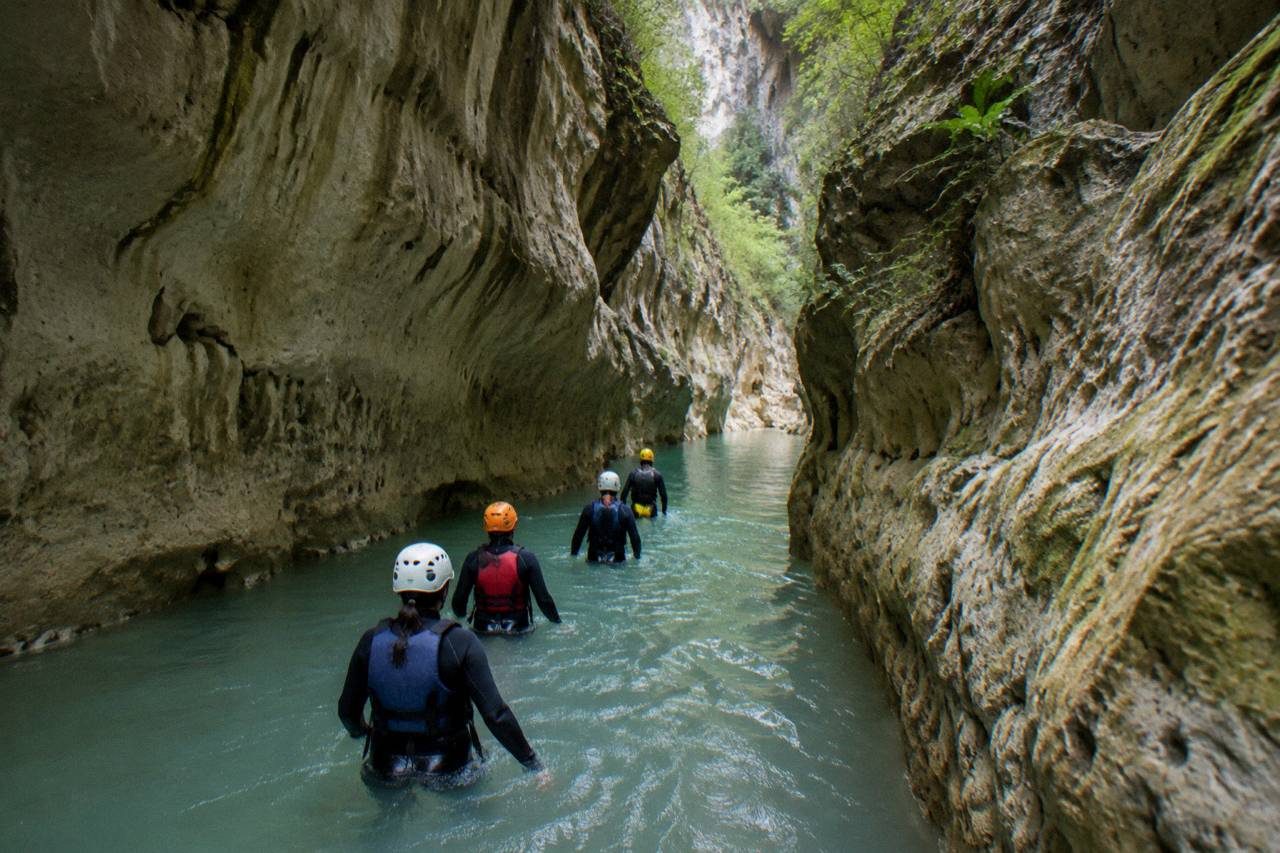
This matters near Monterrey, because the region's signature route is a water canyon. The Matacanes full-day tour sold on Matacanes Canyoning mixes rappels, swimming passages, rock slides and jumps, which is why operators here and in Europe call it canyoning, while an American reader searching "canyoneering" is looking for exactly the same kind of day. This article separates the naming question from the terrain question, because only one of them changes what you pack.
Is There A Difference Between Canyoning And Canyoneering?
No, there is no difference in the sport itself: canyoning is the European and international term, canyoneering is the American one, and both describe traveling down canyons by rappelling, swimming, jumping, scrambling and sliding. The practical difference is terrain, not terminology. European-style canyoning usually means wet, water-filled gorges, while American canyoneering often means dry desert slot canyons where rope work dominates and swimming rarely appears.
The naming history is simple enough. Descending wet gorges grew into an organized sport in Europe under the francophone word "canyonisme," which spread internationally as canyoning. In the United States the word canyoneering has older roots, used for exploring the canyon country of the Colorado Plateau, and it stuck. International federations and guide certifications mostly use canyoning, so if you train in Mexico, Europe or Latin America, that is the word on your certificate. For a closer look at how that terminology plays out in a real destination, our guide to canyoning in Mexico and the Matacanes canyon is a good next stop.
Terminology aside, the sport is governed by the same physics everywhere. Gravity moves you downhill, water moves everything else, and rope is what keeps the two negotiable. A certified guide in the Sierra de Santiago and a certified guide in Zion apply the same knot-craft, the same anchor discipline and the same hydrology reading, even if one speaks of "canyoneering" over breakfast.
Where the words genuinely diverge is in what they imply about the day. A booking described as canyoning in Europe, Mexico or New Zealand almost always means you will spend time in water and need a wetsuit. A booking described as canyoneering in the American Southwest often means dry suits are pointless, a helmet and a rope harness are the core kit, and the water hazard is a flash flood rather than a swim. One route can deliver both skills, and that is precisely what the best tours here offer.
Where Does Each Word Get Used?
"Canyoning" dominates in Europe, Latin America, Australia and New Zealand, and it is the standard term on international guide certifications. "Canyoneering" is used mainly in the United States, especially for the dry slot canyons of Utah and Arizona. In Mexico both are understood, but tour operators around Monterrey overwhelmingly say canyoning, because the local canyons are water routes.
If you watch the vocabulary travel, the pattern is consistent. The operator GEO Aventura, one of the established outfitters in Santiago, describes its Matacanes program purely in canyoning terms: wetsuits, life jackets, rappels and water jumps. Meanwhile the classic American usage treats "canyoneering" as a backcountry hiking-plus-rappels discipline, sometimes done in technical desert terrain with no swimming at all.
Neither word is wrong for Mexico. Readers comparing the two terms usually land on the practical question: what gear and skills will the day actually need? We compared the listings for the region and the answer is clear, they are all wet canyons here, all wetsuit territory, and all of them include rappel or descent systems in the included equipment. If you learned the word canyoneering in an Arizona slot canyon, Matacanes will feel like the same sport turned aquatic.
The table below summarizes how the terms sort out in practice, using the terrain split that actually drives the difference.
| Factor | Canyoning usage | Canyoneering usage |
|---|---|---|
| Where the word dominates | Europe, Latin America, Australia, New Zealand | United States, especially the Southwest |
| Typical terrain | Wet, carved gorges with flowing or standing water | Dry desert slot canyons, sometimes seasonal water |
| Core equipment | Wetsuit, helmet, harness, life jacket, descent device | Helmet, harness, rope, descent device |
| Main hazards | Cold water, hydraulics, jumps, flash floods | Flash floods, rope anchors, heat, exposure |
| Typical entry method | Jumps, slides, rappels into pools | Rappels, downclimbs, stemming |
| Certification language | International canyoning qualifications | American canyoneering associations |
A note on the flash flood row: it appears on both sides on purpose. The municipal civil protection authority in Santiago has repeatedly warned that rain in the upper Sierra can generate sudden floods in the canyons even when the canyon itself is dry and quiet, which is why water awareness is part of both traditions. The full picture on seasons, river levels and suspensions is covered in our guide to Matacanes closures and water levels.
Which One Should You Search When Booking?
Search both, but weight your search toward the terrain description rather than the label: filter listings for wetsuits, jumps and rappels if you want the wet style, and for rope skills and hiking if you want the dry style. In the Monterrey region every commercial canyon product is the wet style, so either search term leads to the same tours.
The reason is straightforward. Commercial canyoning near Monterrey exists because the Sierra de Santiago has water: the Matacanes route alone chains together rappels, swimming sections, natural slides and a 12 m single drop as the operator describes it, and the canyons drain toward Presa La Boca. Dry-technical canyoneering of the Utah kind simply is not the product here, so the label debate is academic once you have picked the region.
Should You Book The Wet Style Or The Dry Style First?
Book the wet style first if you swim comfortably, handle cold water and want the most variety in a single day, because water canyons pack jumps, slides, rappels and swimming into one route. Book dry canyoneering first if heights or cold water put you off, since rope work and downclimbing deliver the descent without the plunge pools. Around Monterrey the wet style is the only one on offer.
Wet canyon days are intense by design. Operators describe Matacanes as spending most of the day in or beside water, with the majority of the route time in the water itself, in temperatures cold enough that a full wetsuit is standard issue. Every commercial listing in the region includes a wetsuit in the equipment package, which tells you the water is not an optional feature of the route, it is the route. The Lyli-operated listing, Matacanes From Monterrey With Lunch, even specifies prior rappelling experience and good fitness, from $195 per person with round-trip transport from Downtown Monterrey and San Pedro Garza García, and it is rated 5 across 2 reviews, a small pool.
Dry canyoneering has a different rhythm. The day is spent reading rock, rigging anchors and managing rope, and the adrenaline comes from exposure and problem-solving rather than free fall into water. Some travelers find it more mentally demanding and less physically shocking; others miss the water. If you are unsure, a hybrid product is the honest test, and Matacanes is exactly that: a water canyon whose heart is still a series of rope descents.
Why Does Matacanes Count As Canyoning?
Matacanes counts as canyoning in the full European sense because it is a water canyon: the route combines rappels, swimming passages, natural rock slides and water jumps, including a 12 m single drop, all done in wetsuit, helmet, harness and life jacket. It is not a dry canyon hike with occasional rope work, water defines every section.
The route sits inside Parque Nacional Cumbres de Monterrey, reached through the Potrero Redondo community, and it is the most reviewed commercial canyon trip in the region. The headline listing, Matacanes Full-Day Canyoning, is rated 4.9 across 1783 reviews and costs from $158 per person, with a group maximum of 25 and round-trip group transport from the meeting point at Walmart Supercenter Eugenio Garza Sada or the Hotel Hacienda Cola de Caballo lot. Continental breakfast, snacks and tour pictures are included, wetsuit, harness, helmet and life vest included as standard.
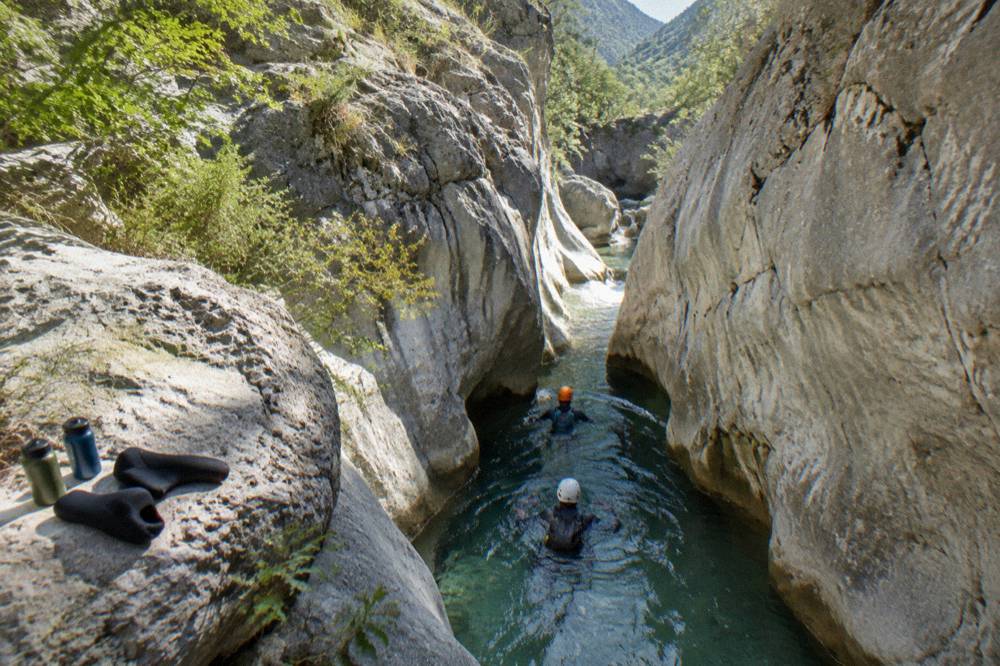
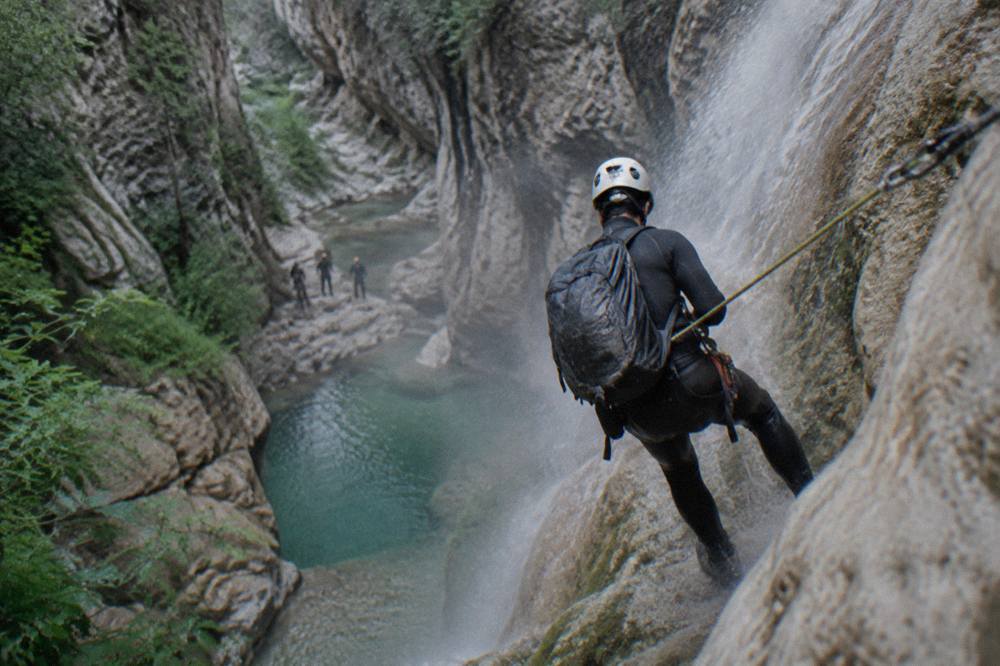
What makes it a teaching example for the canyoning-versus-canyoneering question is the blend. The rappels are genuine rope work, the kind of skill an American canyoneer would recognize instantly. The slides and jumps are pure water-canyon craft. The operator describes the full sequence as water jumps, swimming, rappels and natural slides, so a single day exercises both halves of the sport's vocabulary, which is why searchers who learn the distinction usually land here anyway.
The seasonal dimension reinforces the water identity. Operators run roughly 21 March to 15 September, depending on rains and hurricanes, and the river level is watched daily by local residents and state authorities. When levels rise, the activity pauses; Protección Civil de Santiago suspended river, canyon and rugged-terrain activities in the Sierra until further notice after river levels rose, which is the seasonal pattern rather than an anomaly. A dry desert slot canyon does not close for river level. Matacanes does.
What Do The Other Local Canyons Add?
The two neighboring products split the sport's two halves: Chipitin is a rappel-heavy water canyon with seven rope descents, while Nido de los Aguiluchos is a via ferrata with climbing, ziplines and rappels but no canyoning descent. Together they let you isolate whichever half of the sport you prefer.
Chipitin, offered as Chipitin 7-Rappel Canyon From Monterrey from $195 per person with round-trip transport, meals and a photo session, is the rope-work specialist: the listing describes seven rappels down a waterfall of about 100 m. It is a water canyon too, so wetsuit logic still applies, but the emphasis is descent technique. The Santiago-departure variant of the same canyon runs from $247 per person with a regional meal at the end.
Nido de los Aguiluchos, from $108 per person and rated 4.9 across 753 reviews, is not canyoning at all: it is a via ferrata with metal rungs, cables, ziplines and rappels, with a minimum age of 12 and groups capped at 15. For the terminology-curious it is a useful control case, proof that the region also sells vertical adventures that are not canyon descents, and that operators here are precise about the difference.
For readers whose question is really "what is this sport at all," the deeper background on technique and gear is in our beginner explainer, what canyoning actually involves.
Does The Name Change The Gear Or The Risks?
No, the name changes nothing about gear or risk: both words commit you to the same safety kit, helmet, harness and, in water canyons, wetsuit and life jacket, and the same hazards, water force, cold, rock impact and flash floods. The terrain decides the kit, not the terminology.
The equipment logic is terrain-driven and universal. On the guided Matacanes tours, every listing includes helmet, harness with descent system and flotation vest in the base price, and operators state that life jackets and helmets are mandatory for the full route, including jumps and swims. Swimming ability is described as not essential because the canyoning life jacket provides buoyancy, but participants must be able to jump into water. That is a water-canyon rule, and it applies whether your booking page says canyoning or canyoneering. If you're still weighing how much canyon time you actually want, the Matacanes full day versus extended program comparison lays out what each version covers.
Access fees are likewise terrain-driven rather than vocabulary-driven. The national park authority states the entry fee for Parque Nacional Cumbres de Monterrey is 125 MXN per person per day, exempting children under 12, older adults, pensioners and people with disabilities with ID, and the community notice from Potrero Redondo sets the official ejido access fee at 60 MXN per person paid at the route entrance. The community has publicly warned visitors about outsiders charging 180 to 250 MXN under an "ejido fee" name, so know the official numbers before you go.
Risk management in both traditions also converges on guided operation. Operators recommend certified guides, and the listings we compared bundle accredited guides, accident insurance and, on the Nantli-run trips, the CONANP permit and ejido access into the price. The regional season runs about 21 March to 15 September, rain-dependent, and civil protection can suspend activities at any time when river levels rise, sometimes even when it is not raining at the canyon itself. Check the current official travel advisory for the region and confirm your date with the operator; the booking page is the authority on whether a given day runs.
Which Tour Suits You If You Like Both Halves?
Pick the full-day Matacanes tour if you want rappels and water in one route, pick Chipitin if rope work is the draw, and pick the small-group Camaleon departure if you want the same canyon with fewer people around you. The trio covers both halves of the sport within an hour and a half of Monterrey.
The small-group option deserves its own sentence: Matacanes Small Group From The Hotel Hacienda runs about 9 hours with a maximum of 15 people, a minimum age of 12, breakfast tacos and trail snacks included, free cancellation, from $611 per person. It leaves from the Hotel Hacienda Cola de Caballo roundabout in Santiago and is rated 4.9 across 27 reviews, a much smaller pool than the headline listing.
The full comparison of all five Matacanes departures, meeting points, meal inclusions and group sizes is in our guide to which Matacanes tour to book. The short version for this article's question: every one of them is the wet, canyoning-style product, so the word you searched with will not change what you get.
One honest caveat on prices and ratings in this space: they move. The figures here are the listings' own current numbers, from $108 for the via ferrata to $611 for the small-group canyon trip, and the live listing shows the live price at the moment you book. Review counts especially should be read with the pool size in mind; a 4.9 from 1783 reviews and a 5 from 2 reviews are very different kinds of evidence.
Common Questions About Canyoning And Canyoneering
Is there a difference between canyoning and canyoneering?
Only the name and the geography. Canyoning is the international and European term, canyoneering is mainly American, and both describe descending canyons by rappelling, jumping, swimming, sliding and scrambling. The practical difference is wet versus dry terrain, not two separate sports.
Which countries say canyoning and which say canyoneering?
Canyoning dominates in Europe, Latin America, Australia and New Zealand and appears on international guide certifications. Canyoneering is used mainly in the United States, especially for the dry slot canyons of Utah and Arizona. In Mexico both are understood, but operators around Monterrey say canyoning.
Is canyoning more dangerous than canyoneering?
Neither version is inherently more dangerous; the hazards differ. Water canyons add cold, hydraulics and jumps, while dry canyons add anchor work, heat and exposure. Both traditions share the flash flood risk, which is why guided tours watch river levels and weather daily.
Do you need to swim for canyoning?
Operators state swimming ability is not essential on guided Matacanes tours because the canyoning life jacket provides buoyancy, but you must be able to jump into water. Comfort in water matters more than stroke technique, and full-length wetsuits are standard equipment.
What kind of canyon is Matacanes?
Matacanes is a wet canyon in the full canyoning sense: rappels, swimming passages, natural slides and water jumps, including a 12 m single drop, all done in wetsuit, helmet, harness and life jacket. The season runs roughly 21 March to 15 September, rain-dependent.