What Is Monterrey, Mexico Best Known For?
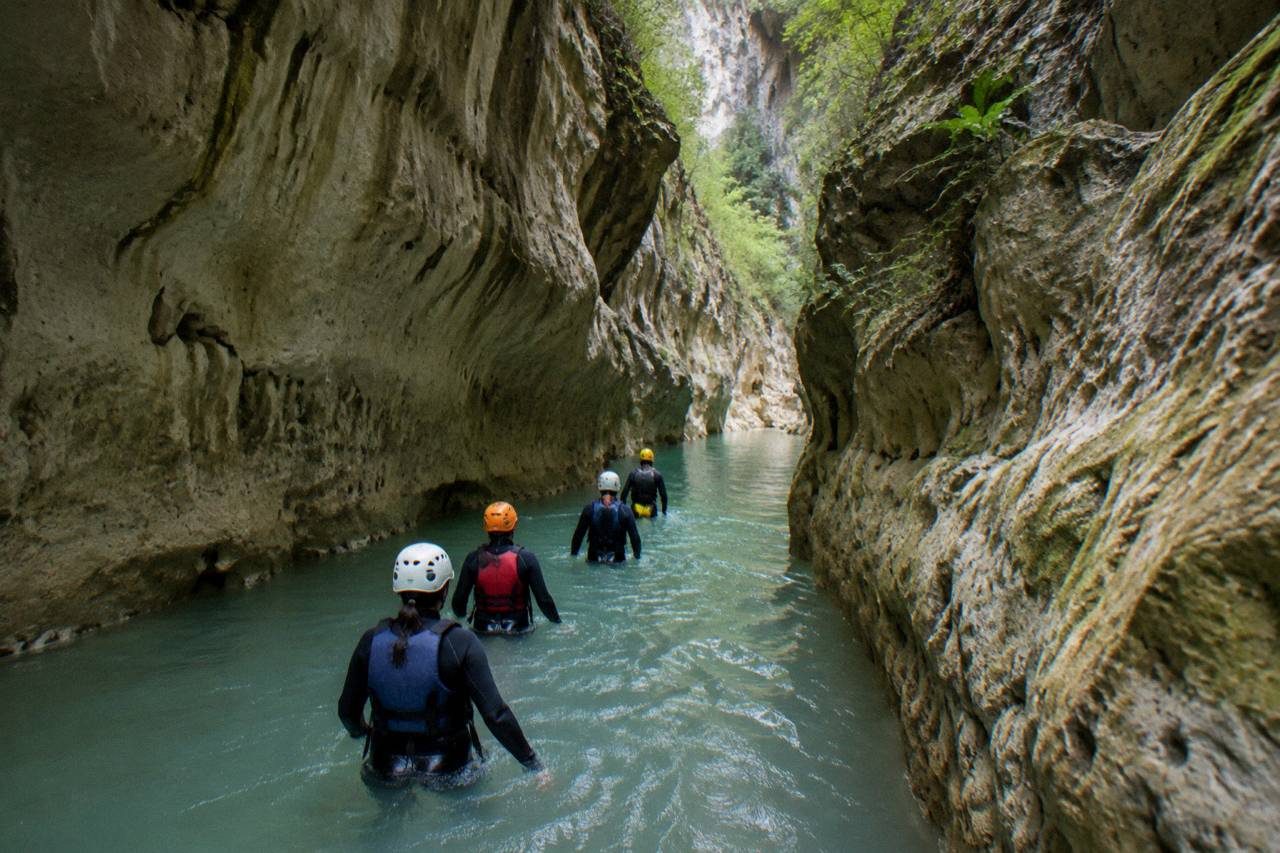
Monterrey is known for heavy industry, mountain scenery, canyoning in Cumbres de Monterrey, and cabro grilled meat. Here is what the city is famous for and how to see its wild side.
What Is Monterrey, Mexico Best Known For?
Monterrey, the capital of Nuevo León, is best known for three things at once: it is Mexico's industrial and corporate powerhouse, the gateway to the dramatic canyons of the Sierra Madre Oriental, and the home of cabro, grilled kid goat served with wheat tortillas (see Fun in Santiago). Ask a businessman and you hear steel, cement and breweries. Ask a climber and you hear Matacanes, Chipitín and walls that rise straight out of the plain. Both answers are true, and the second one surprises almost everyone who only knows the first.
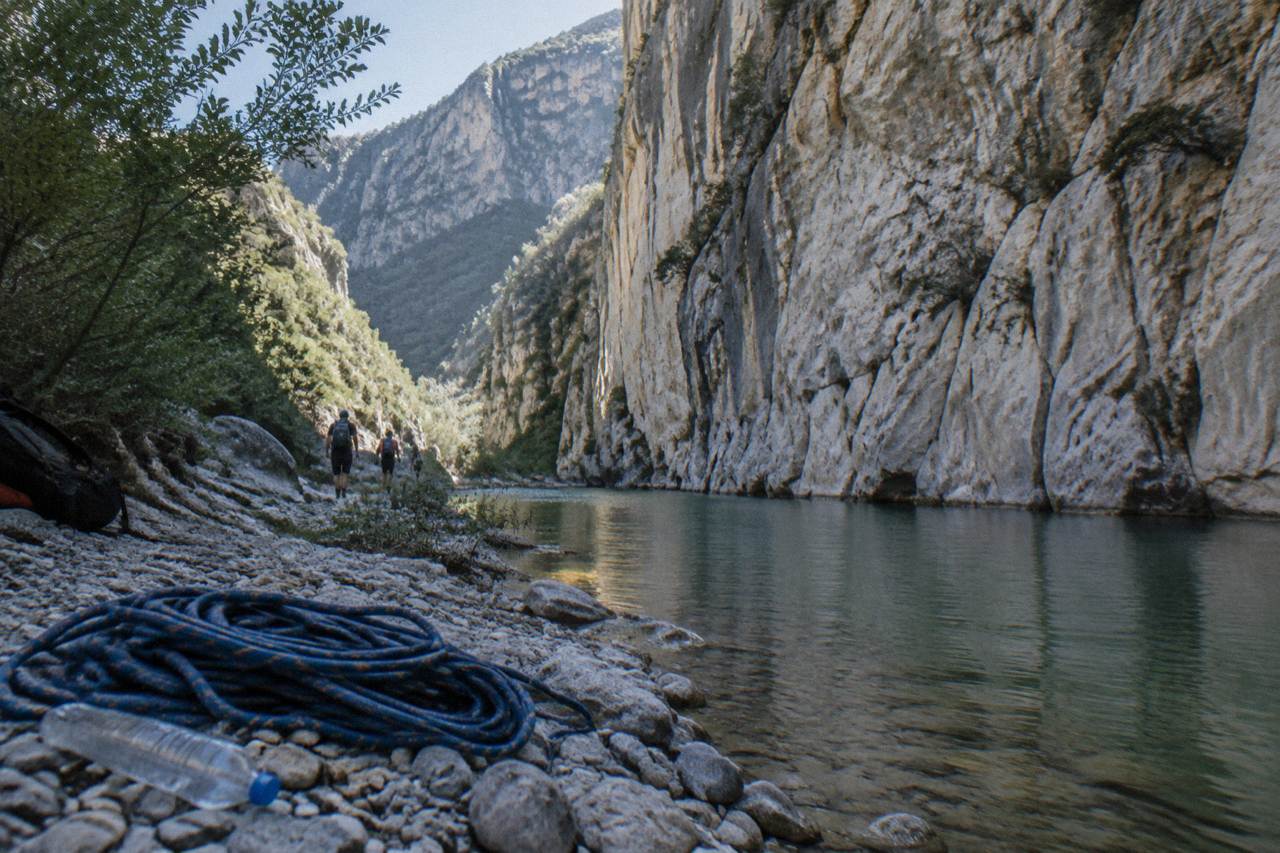
The city of about five million sits in a valley ringed by mountains, and that geography shapes everything about it. Industry came for the coal and iron nearby; hikers and canyoners come for the same rock. In the last two decades Monterrey has quietly become one of North America's strongest bases for canyoning, with the most famous route, Matacanes, less than an hour's drive south in the municipality of Santiago. Whether canyoning alone justifies the trip is a fair question, and our verdict on Monterrey as a travel destination weighs the city's other draws against it.
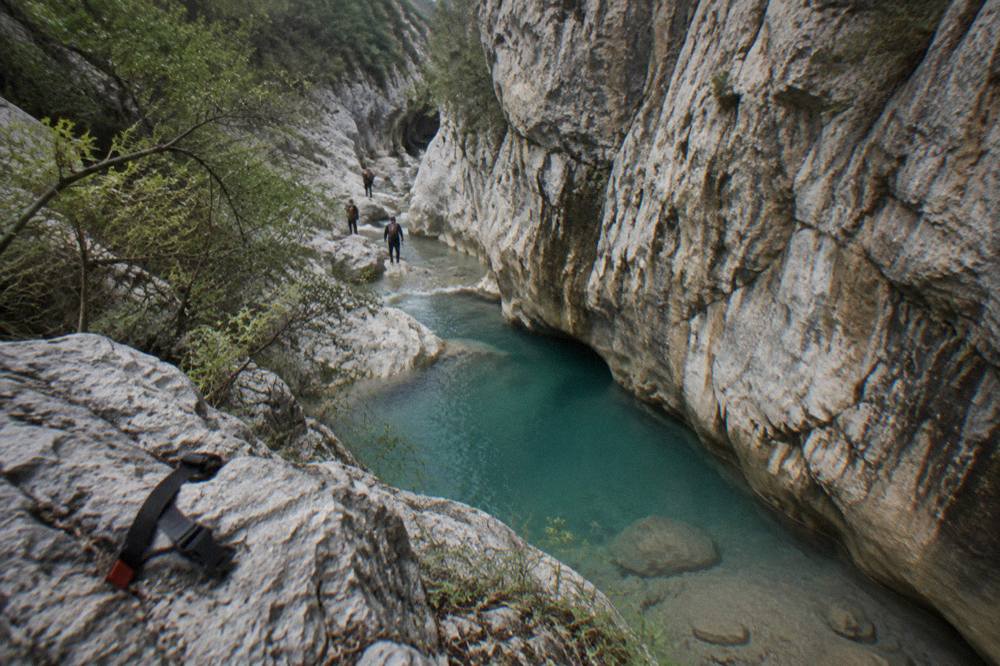
If the canyons are what pull you here, these are the three guided ways most visitors experience them:
What Is Monterrey, Mexico Best Known For?
Monterrey is best known as Mexico's industrial and corporate capital, home to Cemex, FEMSA, Vitro and Oxxo, and simultaneously as the adventure gateway to Cumbres de Monterrey National Park, where the Matacanes canyon route draws rappellers and jumpers from across the continent. The food signature is cabro al pastor, roasted young goat, served in the city's fondas.
The industrial reputation came first. Monterrey's foundries and mills grew on coal and iron in the surrounding hills, and the city never stopped producing. Today it turns out a large share of Mexico's steel, cement, glass and beer, and its skyline of corporate towers in the San Pedro Garza García district is the visual shorthand for that wealth. Business travelers fill its airport, which is one of the country's busiest, and the convention hotels along Constitución run at occupancy rates most leisure destinations would envy.
The outdoor reputation is newer to international travelers but older to locals. The mountains that hem the valley, Chipinque, La Huasteca, the Sierra de Santiago, have always been the city's weekend escape. What changed is gear and guides: modern canyoning arrived with certified instructors, wetsuits and harnesses, and routes like Matacanes and Chipitín became commercially guided day trips that ordinary fit travelers could book. The full-day Matacanes tour from Monterrey, from $158 per person and rated 4.9 across 1783 reviews, is now the single most reviewed adventure listing in the region.
Food anchors the identity. Cabro, marinated kid goat slow-roasted over embers, is the dish locals defend most fiercely, traditionally eaten on Sundays in the famous restaurants along the road to Villa de Santiago. Machaca, dried beef scrambled with egg, is the other classic, a legacy of the desert north. Neither dish apologizes for itself, and neither should it.
Why Do The Mountains Around Monterrey Matter So Much?
The Sierra Madre Oriental rises directly from Monterrey's suburbs, putting canyon country, via ferrata routes and 700 meter walls within a 30 to 60 minute drive of downtown. This closeness is why an industrial city doubles as one of Mexico's main adventure tourism hubs, with canyoning, climbing and hiking all inside or beside a national park.
Cumbres de Monterrey National Park wraps around the city's south and west, and the park authority states the entry fee is 125 MXN per person per day, with children under 12, older adults and people with disabilities exempt. The official park page lists the fee and the daily access. That single fee covers a landscape that ranges from pine forest at Chipinque to the hot limestone gorge of Matacanes.
The names repeat in every local adventurer's vocabulary. La Huasteca, the canyon amphitheater at Santa Catarina on the city's western edge, where guided via ferrata and rappelling trips run to heights described as up to 700 meters. Chipinque, the ecological park on the south side, whose trails open from early morning with entry from around 88 MXN. And the Sierra de Santiago south of town, where Matacanes, Chipitín and the Cola de Caballo waterfall sit within a few kilometers of each other.
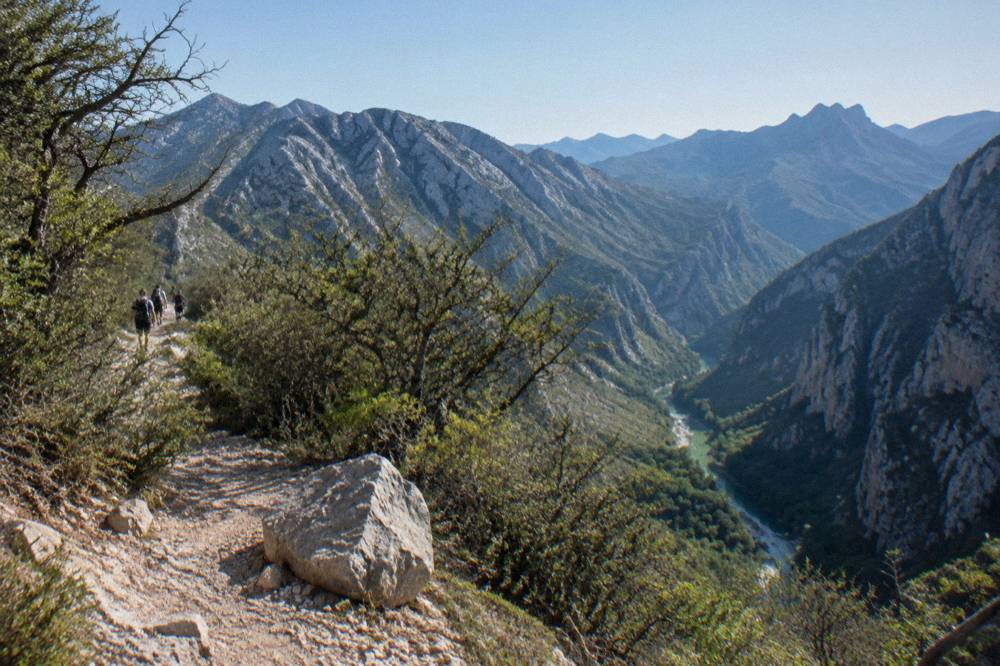
What makes the area unusual is that the adventure is genuinely accessible without a car. Several guided tours include round-trip transport from downtown Monterrey and San Pedro Garza García, so a visitor can be rappelling down a waterfall by mid-morning and back in the city for dinner. The Matacanes tour with lunch included, from $195 per person, picks up in those zones and runs about 12 hours door to door. It is worth reading the listing's fitness note before booking: that tour asks for prior rappelling experience and good physical condition.
For readers deciding between the headline canyon trips, the differences come down to group size, meeting point and what is included, and we compare them in detail in the guide to which Matacanes tour to book. Group sizes alone vary widely across the roster, from a cap of 30 on the budget full-day departure to 15 on the small-group Hacienda trip, and that number changes the feel of a narrow canyon considerably.
What Food And Culture Is Monterrey Famous For?
Monterrey's cultural identity is northern and work-focused: cabro grilled goat, machaca, carne asada, norteño music, and the Barrio Antiguo's restored colonial core. The city is a brewery town as well, and its museums, especially MARCO and the Museum of Mexican History, carry the artistic weight of a city wealthy enough to collect seriously.
The classic food circuit is short and honest. Cabro al pastor at a fonda in Santiago or on the Carretera Nacional. Machaca con huevo for breakfast. Arrachera from the grill, with the region's flour tortillas rather than corn. It is meat-heavy, fast-cooked food that came from ranch work and desert heat, not from banquet tables. Portions run large, prices at the classic fondas are moderate, and Sunday lunch is close to a civic ritual.
Culture-wise, the Fundidora Park is the signature urban space: a former steel foundry turned into a public park with museums, a concert arena and the Santa Lucía riverwalk, a man-made canal that links downtown to the park. For a city once defined by its smokestacks, Fundidora is the clearest statement of what Monterrey wants to be known for now. Barrio Antiguo, the restored old quarter, handles the nightlife and the historic churches, while the Macroplaza downtown ranks among the largest public plazas in the world and puts the cathedral and government palace in one frame.
What Outdoor Adventures Can You Actually Book From Monterrey?
The bookable adventures from Monterrey cluster into three families: canyoning descents such as Matacanes and the 7-rappel Chipitín route, climbing and via ferrata at Nido de los Aguiluchos and La Huasteca, and waterfall visits like Cola de Caballo. Prices on this site's roster run from $108 for a via ferrata day to $611 for a small-group Matacanes trip, all from per-person "from" pricing.
The table below shows the spread using the current listings:
| Tour | Type | Duration | From (per person) | Rating |
|---|---|---|---|---|
| Matacanes Full-Day Canyoning | Canyoning descent | ~1 day | $158 | 4.9 from 1783 reviews |
| Matacanes From Monterrey With Lunch | Canyoning descent | ~12 hours | $195 | 5 from 2 reviews |
| Chipitin 7-Rappel Canyon From Monterrey | Rappel canyon | ~12 hours | $195 | No reviews yet |
| Nido de los Aguiluchos Via Ferrata | Via ferrata, climbing | ~7 hours | $108 | 4.9 from 753 reviews |
| Matacanes Small Group From the Hotel Hacienda | Small-group canyoning | ~9 hours | $611 | 4.9 from 27 reviews |
Two honest notes on those numbers. The Chipitín listing and the small-group Hacienda departure are newer or niche products, and the small-group price reflects a group capped at 15 with a minimum age of 12, per the listing. Newer listings carry no rating yet; the booking page is where the live price and current terms sit.
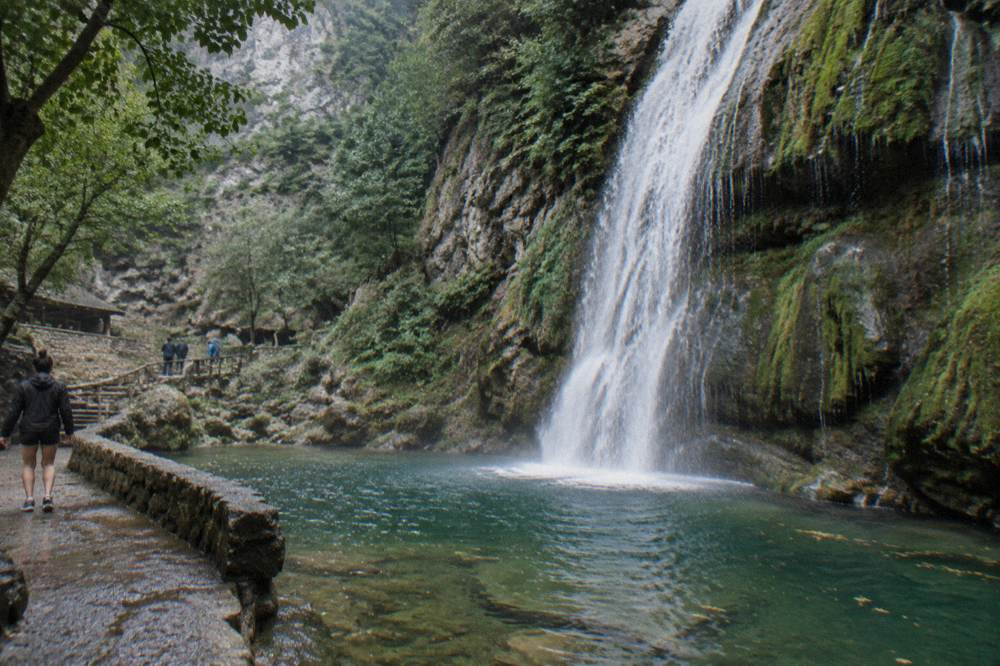
Beyond guided canyons, the free and cheap end of the spectrum is real too. The Cola de Caballo park opens daily with adult entry at 50 MXN and parking at 30 MXN, per current local reporting on the park's prices and hours. The 25-meter waterfall there is the easy family version of what Matacanes offers in full, reachable by a short paved path rather than a day of rappels.
For first-timers who are not sure a full canyon descent suits them, the via ferrata option is the sensible half-step: fixed cables and metal rungs on a cliff, with harnesses and guides, rated 4.9 across 753 reviews and from $108 per person. It also carries a minimum age of 12 and a group cap of 15, so it scales down cleanly to families with teenagers. Our guide to outdoor things to do in Monterrey breaks down which option fits which fitness level.
How Do You Get From Monterrey To The Canyons?
The drive from Monterrey to Santiago covers about 34 km along the Carretera Nacional and takes roughly 28 minutes in normal traffic, making the canyon trailheads the closest serious wilderness to any large Mexican city. Guided tours handle the last, hardest stretch themselves, since the dirt roads to Potrero Redondo need a 4x4.
Independent travelers have three realistic options. Ride-hailing works well: Uber runs between Monterrey and Santiago with fares around 330 pesos and travel times of about 25 to 30 minutes, per the published route estimate. Public bus is cheapest at about 48.80 MXN but needs three connecting lines and roughly 50 minutes, which makes it better for reaching Santiago town than any trailhead. Renting a car makes sense only if you plan several days in the Sierra, because the final access road to the Matacanes trailhead is steep unpaved track that local guides reach by 4x4.
This is the practical reason most visitors book a guided day tour rather than self-driving: the tour vans and 4x4s cover the segment ordinary cars cannot, and the meeting points are simple. The most-reviewed Matacanes departure meets at the Walmart Supercenter on Eugenio Garza Sada in Monterrey or the Hotel Hacienda Cola de Caballo lot in Santiago, with round-trip group transport from there included. One budget departure starts even earlier, meeting outside the main entrance of Walmart Las Torres at 4:00 a.m. for a roughly 12-hour day from $144 per person.
Nighttime repaving work has been underway on a 3 km stretch of the Carretera National between Allende and Monterrey, so an early pickup can occasionally sit in slow traffic heading south. None of this changes the fundamentals: the canyons are closer to this city than to almost any other comparable base in North America.
When Should You Plan A Canyon Day?
Canyoning near Monterrey is a seasonal activity, roughly late March through mid September, because summer rains swell the rivers and the municipal civil protection authority can suspend canyon activities at any time when levels rise. Spring gives lower, clearer water; late summer gives fuller pools but a real flash-flood watch. Always confirm your date with the operator.
The pattern is consistent across operators: the water level in Matacanes is watched daily, and trips pause when it is high. Rain in the upper Sierra can raise the canyon even when the trailhead is dry, which is exactly why guided groups carry radios and why independent descent is a bad idea for anyone without local knowledge. Rescues in the area do happen, and the guided-tour model exists largely to keep visitors out of those statistics.
For planning purposes, treat the season window as flexible at both ends. The operator's own listing and the booking page are the authority on whether a given date runs, and most listings allow you to reserve with free cancellation so a washed-out week costs you nothing. Check the cancellation terms per listing, though: the most-reviewed departure carries no customer free-cancellation term and refunds only if the operator cancels for weather or minimum group size. If your trip falls outside the season, the via ferrata and climbing options usually keep running, and the city itself, museums, Fundidora, the food circuit, fills the days well.
Common Questions About Monterrey
What is Monterrey, Mexico best known for?
Monterrey is best known as Mexico's industrial and corporate capital, and just as much for the mountains and canyons of the Sierra Madre Oriental that surround it, plus cabro grilled goat and a strong norteño cultural identity. For travelers, its main draw is canyoning in Cumbres de Monterrey National Park, headlined by the Matacanes route.
Is Monterrey worth visiting for outdoor adventures?
Yes. The canyons of the Sierra de Santiago, the via ferrata at Nido de los Aguiluchos, the walls of La Huasteca and the trails of Chipinque all sit within about an hour of downtown. The full-day Matacanes tour, from $158 per person and rated 4.9 across 1783 reviews, is the region's flagship adventure.
How far is Monterrey from the canyons?
Santiago, the gateway municipality for Matacanes, Chipitín and Cola de Caballo, is about 34 km from Monterrey along the Carretera Nacional, roughly 28 minutes by car or rideshare. The final dirt road to the Matacanes trailhead needs a 4x4, which is why guided tours include that transport.
What food should you try in Monterrey?
Cabro al pastor, slow-roasted young goat, is the definitive local dish, traditionally eaten on the Santiago road on weekends. Machaca con huevo is the classic breakfast, and the city's flour-tortilla carne asada reflects its northern ranch heritage.
When is canyoning season near Monterrey?
Operators describe the season as running from about 21 March to about 15 September, depending on rains and hurricanes. River levels are monitored daily and canyon activities can be suspended at any time, so confirm your date with the operator or on the live listing before you travel.
The short version: Monterrey is known for making things, steel, cement, glass, beer, and for the rock those industries grew on. Spend a day on Matacanes Canyoning's flagship descent and the second half of that sentence starts to feel like the more important one.