Is Monterrey, Mexico Worth Visiting?
A verdict on Monterrey as a destination: what the city offers, why the canyoning in the surrounding Sierra de Santiago is the strongest reason to go, and how to plan the trip.
Is Monterrey, Mexico Worth Visiting?
Yes, Monterrey is worth visiting, with one honest qualification: the city itself is a modern business capital with good museums, parks and food, while the standout experience sits outside it, in the canyons of the Sierra de Santiago about an hour south. Travelers who add a canyon day consistently get the trip they came for; those who stay downtown often wonder what the fuss was about.
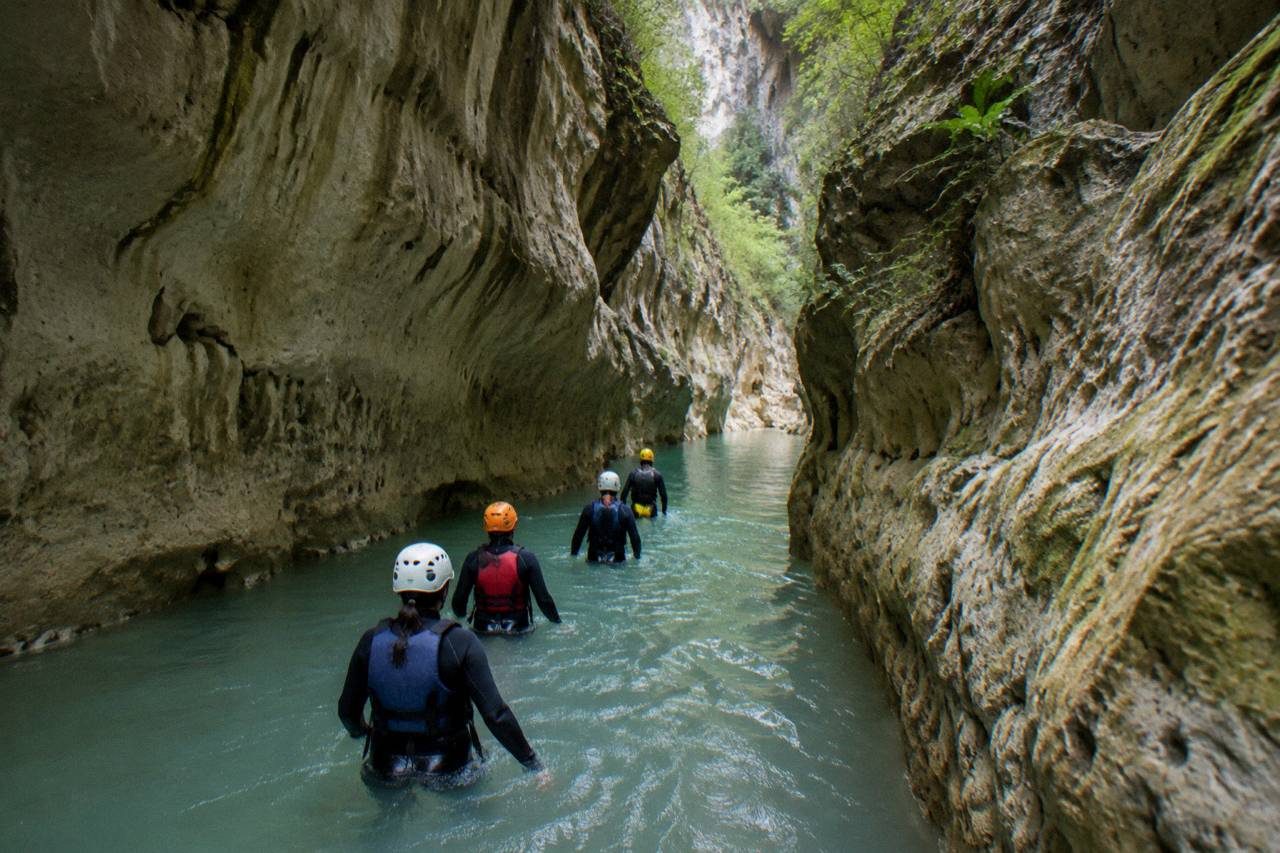
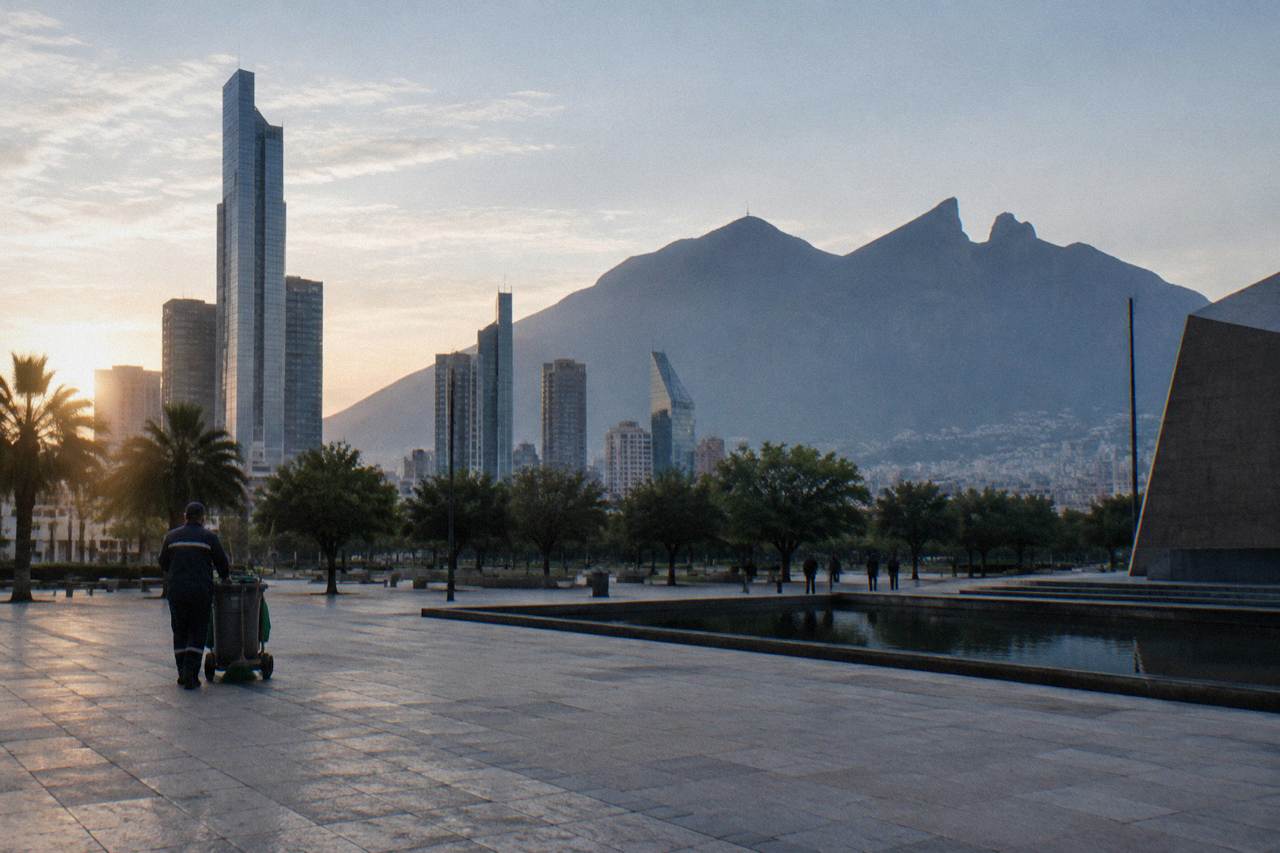
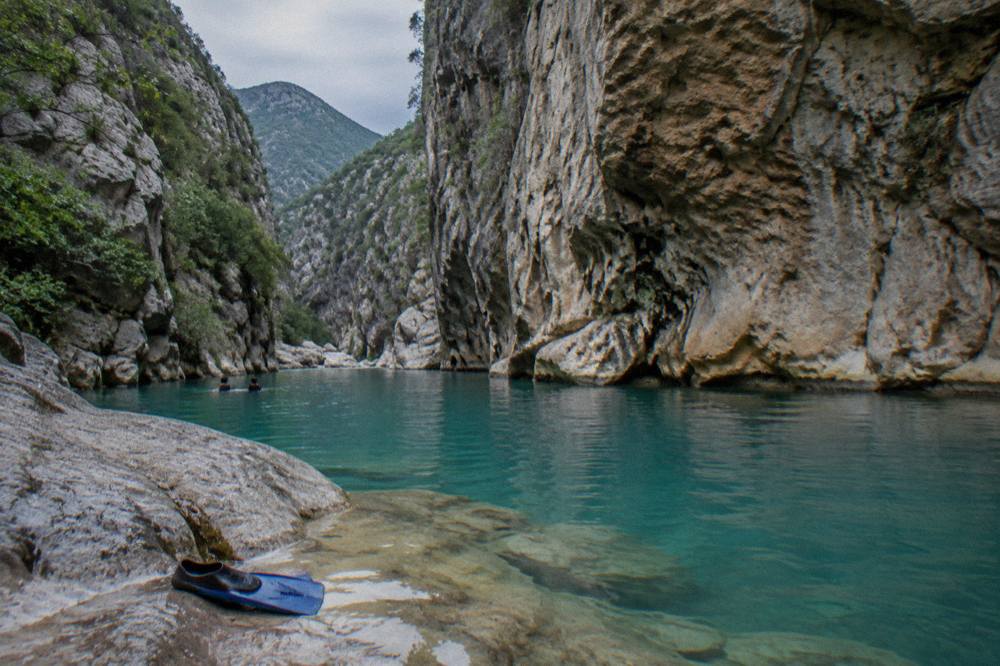
That framing matters because Monterrey is not a colonial plaza town. It is Mexico's industrial engine, a metro of glass towers, mountains inside the city limits and a food scene that takes meat very seriously. For a visitor, the payoff comes from pairing the urban half with the wild half: the same mountains you see from a downtown rooftop contain canyons with rappels, water jumps and underground rivers, and the most famous of them, Matacanes, is reached on a day trip from the city. A canyon day alongside a couple of city days is the shape of a good first visit.
The practical case is also strong. Monterrey's airport connects directly to major hubs in the United States and Mexico, so the logistics of a long weekend are simple: land, sleep in the city, and be at a canyon trailhead the next morning. The drive from Monterrey to Santiago covers roughly 34 km on the Carretera Nacional, about 28 minutes in normal traffic, and most Matacanes tours depart from meeting points in Monterrey or Santiago anyway. In other words, you do not need to plan an expedition. You need to book a seat. And if you're curious how Matacanes stacks up against the planet's other legendary descents, this guide to the world's best canyoning destinations puts it on the shortlist alongside the classics.
For many undecided visitors, the outdoor adventure option is what tips the decision, and the three listings below are the strongest versions of that day: the most reviewed full-day canyon tour, an all-in version with hotel pickup and lunch, and a smaller regional-meal departure from Santiago.
What Is Monterrey Best Known For?
Monterrey is best known as Mexico's business and industry capital, home to major corporations, a serious steak and cabrito food culture, and mountains that sit inside the city itself. Less famous internationally, but equally real, it is the gateway to canyoning country: Matacanes and its neighboring canyons draw canyoners from across Mexico and abroad, all within Cumbres de Monterrey National Park. If you want the fuller picture of this industrial city's wild side, the guide to what Monterrey is famous for covers everything from its steak houses to its canyons.
The city's identity is work. Regiomontanos will tell you, with some pride, that Monterrey builds things, and the skyline along the Carretera Nacional reflects that. For a visitor, that identity translates into an unusually good hotel base, direct flights and restaurants that run to a high standard. The food deserves its reputation: grilled meat, cabrito (roast kid goat) and flour tortillas are the local staples, and a weekend trip built around one long canyon day and one long dinner is a very Monterrey itinerary.
The second identity is the mountains. Cerro de la Silla, the saddle-shaped peak on the city's emblem, is visible from almost everywhere, and the broader region sits inside Cumbres de Monterrey National Park, where the national park authority states the entry fee is 125 MXN per person per day, with exemptions for children under 12, older adults, pensioners and people with disabilities. The park is the container for nearly everything adventurous near the city, from canyoning to waterfalls to climbing. The operator GEO Aventura describes the Matacanes route itself as water jumps, swimming, rappels, natural slides and a 12 m single drop, an intermediate-level day that runs 8 to 10 hours.
The honest summary: if you arrive expecting a museum-and-plaza city break, Monterrey will underdeliver. If you arrive for the combination of a comfortable city base and genuinely spectacular canyon terrain an hour away, it overdelivers. The question is really which trip you are booking, and the canyon day is what makes the second one work.
What Adventure Can You Actually Do Near Monterrey?
The adventure menu around Monterrey covers canyoning, via ferrata, waterfall hikes and climbing, with the canyon descents as the headline. Matacanes is the most reviewed route, Chipitin offers a rappel-heavy alternative, and Nido de los Aguiluchos runs a via ferrata with ziplines, all bookable as guided day tours from the city.
The flagship is the Matacanes full-day tour, rated 4.9 across 1783 reviews, from $158 per person. It includes the full kit, wetsuit, harness, helmet and life vest, plus a continental breakfast, snacks, round-trip group transport from the meeting point and tour pictures. Groups run to a maximum of 25, and the meeting points are practical: the Walmart Supercenter on Eugenio Garza Sada in Monterrey or the Hotel Hacienda Cola de Caballo lot in Santiago. There is no hotel pickup on this one, but the meeting-point transport to the canyon is included.
Not every listing suits every traveler, and the differences are worth reading before booking. The table below compares the main guided options near Monterrey on the facts that matter: price, duration, group size and what is included.
| Tour | Price from | Duration | Group max | Meal | Pickup or meeting point |
|---|---|---|---|---|---|
| Matacanes Full-Day Canyoning | $158 per person | about 1 day | 25 | Breakfast and snacks | Walmart Supercenter Eugenio Garza Sada or Hotel Hacienda Cola de Caballo lot |
| Matacanes From Monterrey With Lunch | $195 per person | about 12 hours | not stated | Breakfast, snack and full meal | Hotel pickup in Downtown Monterrey and San Pedro Garza Garcia |
| Matacanes From Santiago With Regional Meal | $247 per person | about 9 hours | not stated | Breakfast, snacks, regional meal | Meet at Hotel Hacienda Cola de Caballo, Santiago |
| Nido de los Aguiluchos Via Ferrata | $108 per person | about 7 hours | 15 | not included | Meet at H‑E‑B Gonzalitos parking lot |
The lunch-inclusive departure is the low-stress version: round-trip transport from Downtown Monterrey and San Pedro Garza Garcia, safety gear down to a headlight, accident insurance, park permits, a photo shoot and a full local meal, all in the price of from $195 per person. The listing notes it requires prior rappelling experience and good fitness, which is worth taking seriously. Outside the pickup zones, the meeting point is the Hotel Hacienda Cola de Caballo in Santiago.
A different flavor of the same country is the Santiago departure with a regional meal at the end of the day, from $247 per person, about 9 hours, guided in Spanish per the listing. It includes 4WD transport to the canyon, the CONANP permit and ejido access, accident insurance and an accredited guide. It is a new listing without reviews yet, so there is no rating to report, but the inclusions are unusually complete.
Beyond Matacanes, Chipitin canyon runs a 7-rappel descent, and Nido de los Aguiluchos offers a via ferrata day, climbing, ziplines and rappels rather than canyoning, from $108 per person with a 4.9 rating across 753 reviews and a minimum age of 12. If you want the fuller picture of how the routes compare, the guide to the Matacanes canyon route, rappels, jumps and slides breaks down what each day actually involves.
How Many Days Do You Need In Monterrey?
Three days is the sweet spot for a first visit: one full canyon day, one day for the city and its food, and one flexible day for a waterfall or a viewpoint in Santiago. Two days works if you only want the canyon and a good dinner; five starts to require day trips further afield to stay interesting.
The canyon day is the anchor and it consumes a full day, honestly more. Tours run roughly 8 to 12 hours door to door depending on the listing, and the earliest departures leave before dawn, the Walmart Las Torres departure lists a 4:00 a.m. start. Do not plan a big evening after it. Plan a shower, a large dinner and an early night, in that order.
Day two belongs to the city. Monterrey's museums, the Macroplaza district and the Santa Lucía riverwalk fill a relaxed day, and the food scene handles lunch and dinner without effort. Day three is the Santiago morning: Cola de Caballo waterfall, where the park's own published information lists daily opening from 9:00 and adult entry at 50 MXN with parking at 30 MXN, plus the Presa La Boca shoreline. It is a gentle day, which is exactly what you want the day after rappelling.
If you are stretching the trip, the honest move is to go deeper on the adventure side rather than the city side: a second canyon, or the via ferrata, buys you another genuine day, while a fourth day of downtown Monterrey mostly buys you another mall. For anyone weighing exactly how the long day unfolds, how long the Matacanes tour takes runs the hour-by-hour reality.
Where Should You Stay: Monterrey Or Santiago?
Stay in Monterrey if you want hotel choice, restaurants and airport access; stay in Santiago if your trip is built around the canyons and you want to wake up next to them. Santiago offers cabins and small lodges rather than big hotels, with family cabins running roughly 3500 to 6500 MXN per night and smaller cabins from about 2000 MXN, according to local accommodation reports.
The Monterrey base is the default for good reasons. The airport is on the north side of the city, the hotel stock is deep because it is a business town, and prices soften on weekends when business travelers leave. Every canyon tour either picks up downtown or uses a Monterrey meeting point, so a city base costs you nothing in logistics.
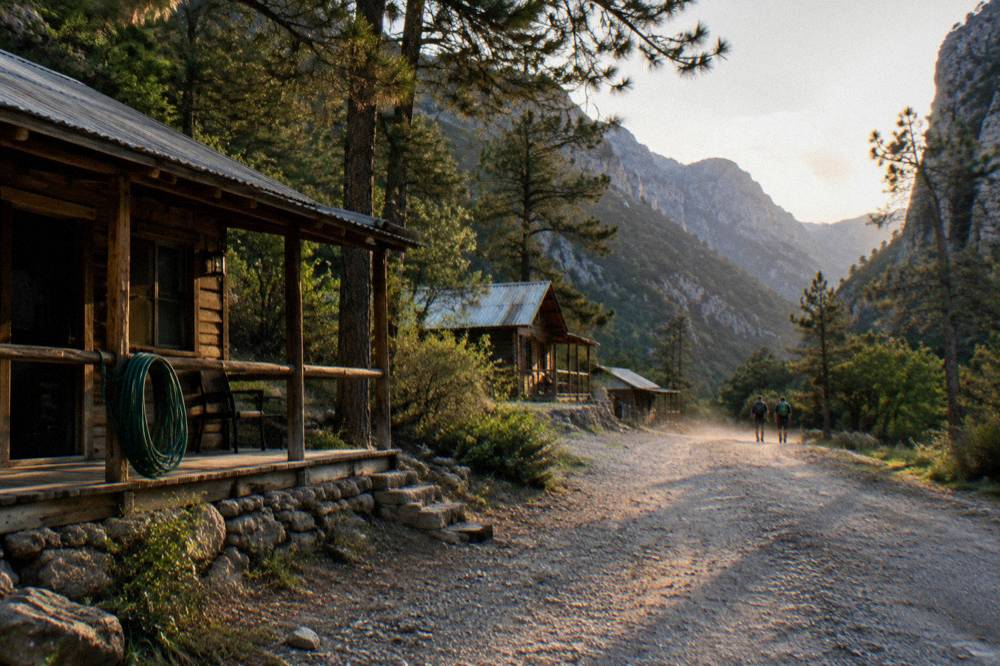
Santiago is the connoisseur's base. The trade is comfort for proximity: you are minutes from the canyon access roads, the Cola de Caballo area and the lake, and the mornings start without a highway. Ride-hailing operates in Santiago for local trips, and the drive from Monterrey is short, so the choice is about atmosphere more than access. Local market reporting puts short-term rentals in Santiago at an average daily rate around 221 USD, with hundreds of active listings, so weekend demand is real; book the cabin early if you are traveling in high season.
One practical note on access: the final approach to the Matacanes trailheads from the Cola de Caballo area runs on unpaved roads that call for a 4x4, which is part of why the tours include group transport or 4WD shuttles rather than asking you to drive yourself. The guide to getting from Monterrey to Matacanes covers the routes, buses and meeting points in detail.
When Is The Best Time To Visit Monterrey For Canyoning?
For the canyon day, the operator season runs from about March 21 to about September 15, set by rains and river levels rather than a fixed calendar, and river levels are watched daily. Outside that window the canyons are off the menu, so time a canyoning trip to spring through early autumn, and always confirm your date with the operator.
The seasonal pattern matters more here than in most destinations. GEO Aventura, the operator whose program defines much of the season, states the season depends on rains and hurricanes, that levels are monitored daily by Potrero Redondo residents, Las Adjuntas and state authorities, and that suspension can come at any time. Protección Civil de Santiago suspended river, canyon and rugged-terrain activities across the Sierra de Santiago after river levels rose, and such suspensions hold until the authority issues a new notice. Flash floods in these canyons are possible even when it is not raining at the site itself, because rain in the upper Sierra feeds the watercourses below.
None of this makes autumn and winter bad times to visit Monterrey. The city itself is a year-round destination, and the via ferrata, the waterfall parks and the climbing areas keep the trip full. It simply means the canyoning day has a season, and the booking page and the operator are the authority on whether a given date runs. Anyone planning around this should read the fuller treatment in the best time to do Matacanes.
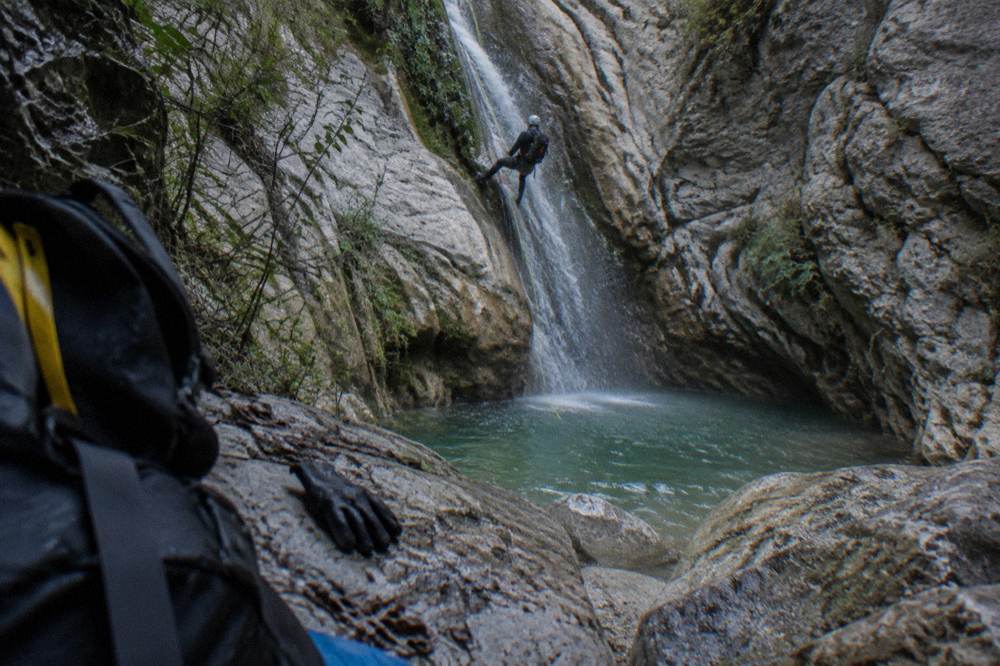
So Is The Trip Worth It?
For most travelers, yes: Monterrey earns its airfare as the gateway to canyon country, with a comfortable city attached. The verdict flips only for visitors with no interest in mountains or adventure, who would be happier in Mexico's colonial cities. If the canyon day appeals, the trip is an easy yes, and booking the tour first, then building the rest around it, is the right order of operations.
The economics support it. Within the Matacanes day tours alone, prices run from $144 to $611 per person depending on group size and inclusions, and the most reviewed listing, the full-day tour at 4.9 across 1783 reviews, sits at the accessible end at from $158 per person. Compared with the cost of reaching more famous adventure destinations, a direct flight into Monterrey plus a booked canyon day is a efficient use of a long weekend.
Do the honest self-check before booking. Can you handle a 12-hour day, cold water, jumps and rappels with a guide's help? The operator line is that swimming ability is not essential thanks to the canyoning life jacket, but you must be able to jump into water, and minimum age 12 appears on the smaller-group and via ferrata listings. If that profile fits, Monterrey is not just worth visiting, it is one of the better-kept adventure shortcuts in North America. This site, Matacanes Canyoning, exists precisely because the canyon day is the part visitors underestimate until they are standing at the top of the first rappel.
If the decision is made, these three departures cover the range of ways to do the day.
Common Questions About Monterrey
Is Monterrey, Mexico Worth Visiting?
Yes, for most travelers. The city offers good hotels, food and museums, and the surrounding Sierra de Santiago holds some of the best canyoning in Mexico, all reachable on day trips. Visitors with no interest in mountains or outdoor adventure would enjoy Mexico's colonial cities more.
Is Monterrey, Mexico worth visiting?
Yes. The strongest reason to go is the canyon country south of the city: a full-day Matacanes tour from $158 per person pairs with Monterrey's hotels and food scene for a complete long weekend.
What is Monterrey best known for?
Monterrey is known as Mexico's business and industrial capital, with a strong grilled-meat food culture and mountains inside the city. Internationally it is increasingly known as a gateway for canyoning, via ferrata and hiking in Cumbres de Monterrey National Park.
How far is Monterrey from the canyons?
Santiago, the jumping-off town for the Matacanes area, is about 34 km from Monterrey on the Carretera Nacional, roughly 28 minutes in normal traffic. Tour meeting points are in Monterrey or Santiago, and the tours include the onward transport to the canyon access roads.
When can you go canyoning near Monterrey?
The operator season runs from about March 21 to about September 15, depending on rains and river levels, which are monitored daily. Closures can be issued at any time by the local authority, so confirm your date with the operator and the booking page before you travel.