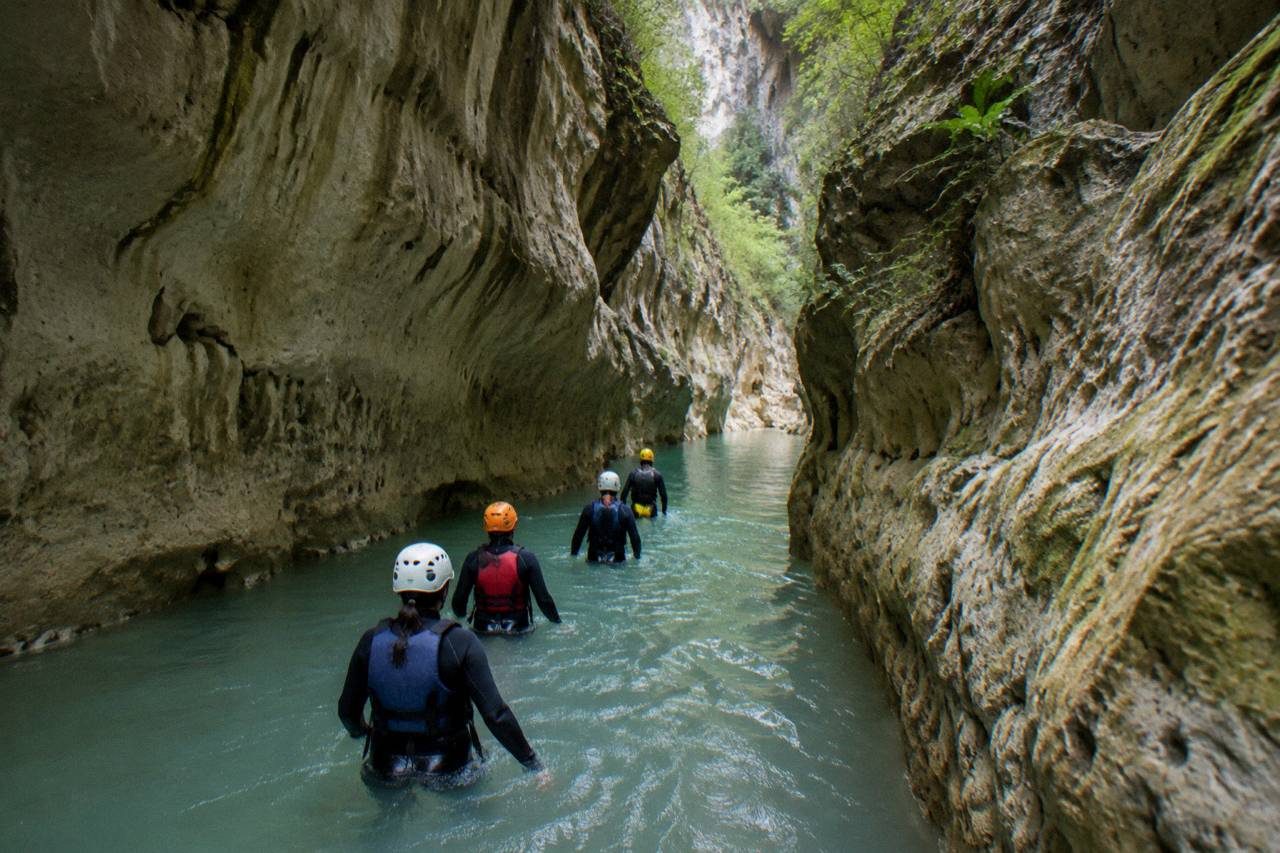
Where Is The Best Canyoning In The World? Mexico And Matacanes Belong On The Shortlist
A world shortlist of the great canyoning destinations, from the Verdon to the Alps to the Sierra de Santiago, with Matacanes as the bookable Mexican entry.
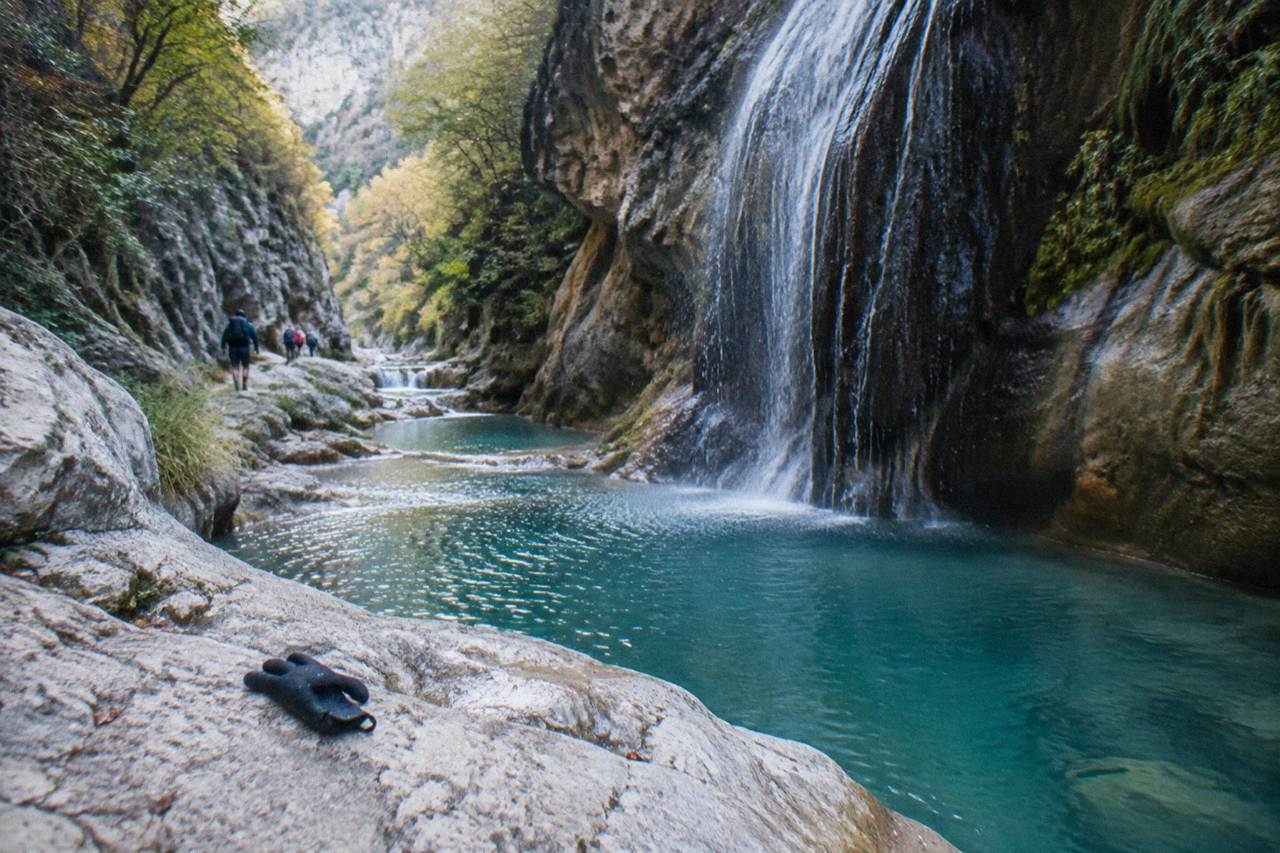
Where Is The Best Canyoning In The World?
The world's best canyoning concentrates in a short list of places: the Verdon Gorge in France, Ticino's canyons in Switzerland, the alpine gorges of Slovenia and Austria, Australia's Blue Mountains, Mexico's Sierra de Santiago, and a handful of routes in New Zealand and Hawaii. What unites them are deep, committed walls, technical variety, and water warm enough to stay in all day, with Matacanes in Nuevo León standing as Mexico's entry and ticking all three boxes. Once you've tackled the canyon, our guide to the best activities around Santiago Nuevo León covers everything else the region offers, from waterfalls to lakeside afternoons.
That answer will annoy people, which is part of the fun. Canyoning is a small sport with strong local loyalties, and the Europeans who pioneered it tend to answer "Ticino" before the question is finished. The Swiss canton has hundreds of bolted granite slots within an hour's drive of each other, and the infrastructure, guides and shuttle services around it are unmatched anywhere.
But "best" depends on what you want from a canyon day. A cold alpine descent with three long rappels beside a glacier-fed waterfall is a completely different product from a warm-water Mexican route where you spend most of the day jumping, swimming and sliding rather than hanging on a rope. Operators describe the Matacanes route as 8 to 10 hours with 70 percent or more of that time spent in the water, which is a profile almost no famous European canyon can match.
The table below is the honest version of the answer: not a ranking, because ranking canyons across climates is nonsense, but a shortlist of the regions that come up again and again when experienced canyoners argue about this exact question, with what each is genuinely best at.
| Region | Country | What it is best at | Character |
|---|---|---|---|
| Ticino | Switzerland | Volume and variety: hundreds of routes, bolted granite, pro infrastructure | Cold, fast, technical |
| Verdon Gorge | France | Scale: limestone walls, the historic home of the sport | Committing, spectacular |
| Julian Alps and Soča valley | Slovenia | Emerald water and easy access to a dozen classic slots | Scenic, moderate |
| Ötztal and Tyrol | Austria | Long waterfall rappels in a compact area | Alpine, vertical |
| Blue Mountains | Australia | Sandstone slots close to Sydney | Tight, sculpted |
| Sierra de Santiago (Matacanes, Chipitín) | Mexico | Warm water, jumps, slides, caves, full-day immersion | Aquatic, playful, remote |
| Kauai | Hawaii, USA | Jungle waterfalls and short dramatic drops | Exotic, expensive |
What Actually Makes A Canyon World Class?
A world-class canyon demands commitment: you enter by rappel and can only exit at the end. It needs variety, mixing rappels, jumps, slides and swims instead of one repeated move, plus water temperatures that let you stay in all day. Access and rescue infrastructure count too, since the best canyons keep problems survivable. Matacanes scores highly on all but that final point, which is why it remains a guided trip.
Commitment is the factor outsiders underestimate. A great canyon is a one-way trip: once you rappel the first drop, the walls decide your schedule. Route descriptions of the famous slots in Ticino and the Verdon all trade on this, the sense of passing a point of no return. Canyoners report that this is the feeling they travel for, more than any single waterfall.
Variety is where warmer destinations win. European classics are often rope-heavy: beautiful, but with long approaches and cold pools between rappels. Tropical and subtropical routes invert that. Operators describe Matacanes as water jumps, swimming, rappels, natural slides and caves, with a 12 m single drop as the operator states it, and most of the day spent in the water rather than walking beside it.
Water temperature is the quiet deciding factor. The alpine gorges run glacier-cold even in August, which caps most descents at a few hours before wetsuit chill sets in. Canyoners report water in the Mexican sierra routes in the 12 to 18°C range depending on the season, cold enough to need a wetsuit but warm enough for a full-day tour. That single fact is why a route like Matacanes can be 8 to 10 hours long and still feel like play rather than endurance.
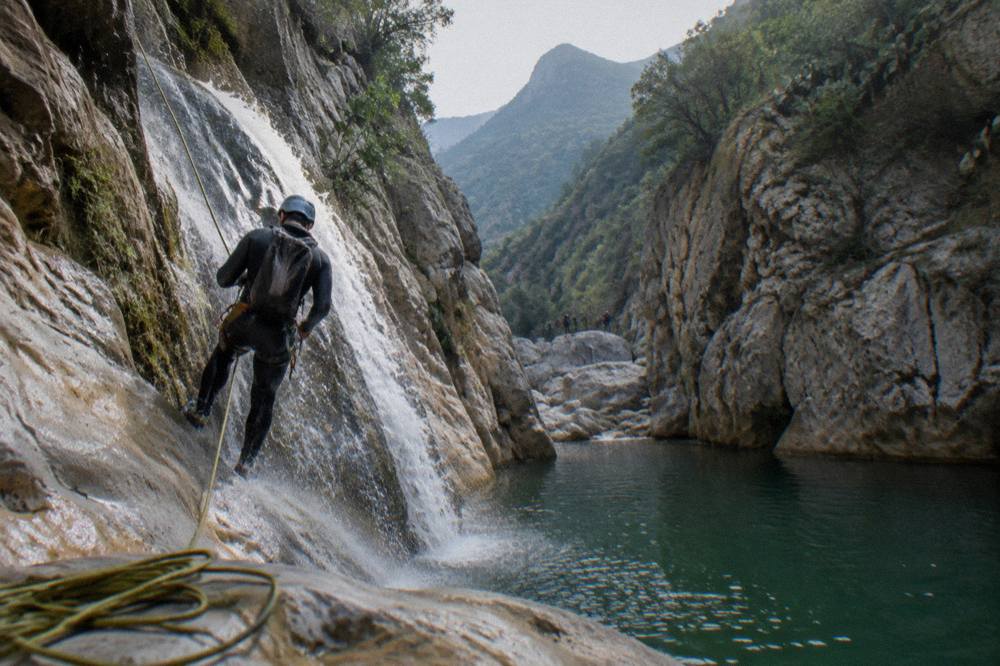
Safety infrastructure is the honest asterisk on every remote canyon. Rescues happen in the sport's famous canyons, and the Sierra de Santiago is no exception, which is why the local authority suspends canyon activities when river levels rise and why tour operators supply helmets and life jackets as mandatory kit. If you want the world's best canyon with a mountain-rescue helicopter ten minutes away, choose Switzerland. If you want the best warm-water immersion day, the trade-off is different.
The European Classics: Verdon, Ticino And The Alps
Europe owns the sport's history and its deepest bench of routes. The Verdon Gorge in France is where modern canyoning took shape, Ticino in Switzerland has the largest concentration of equipped canyons anywhere, and Slovenia's Soča valley pairs emerald water with the easiest logistics in the Alps. Any credible world shortlist starts with all three, and most canyoners would call Ticino the single best region to visit first.
The Verdon is the spiritual home. Its limestone gorge in Provence is enormous, and the sport's early descents there defined what equipment and technique look like today. The trade-off is that the classic Verdon trips are committing and best done with local clubs or guides who know the exits, since the gorge does not forgive poor planning.
Ticino is where the sport lives now. The Swiss canton packs hundreds of routes into a small area, many bolted and maintained by local clubs, with guide services, shuttle operators and gear rental in every valley town. For a traveler building one canyoning trip around Europe, this is the highest-density destination on earth: you could descend a different canyon daily for two weeks and never repeat a rappel.
Slovenia and Austria round out the alpine picture. The Soča valley around Bovec offers turquoise water and several moderate, beautifully equipped canyons that work well as a first international descent, while the Austrian Ötztal specializes in long waterfall rappels in a compact, lift-served valley. Neither has Ticino's volume, but both beat it on scenery per hour of driving.
There is a ceiling on all of it, though, and it is the ceiling of cold. Alpine water runs near freezing for much of the season, so even the great European descents are short by design. Canyoners who spend a season in the Alps and then try a warm-water route often describe the same surprise: the moves are similar, but a ten-hour day in the water is simply a different sport.
The Warm-Water Contenders: Mexico, Hawaii And Australia
Outside the Alps, the shortlist favors warm water and big landscapes: the Blue Mountains near Sydney for sculpted sandstone slots, Kauai for jungle waterfalls, and the Sierra de Santiago in Mexico for full-day aquatic immersion. Of these, Mexico is the one a traveler can actually book as a complete guided day at a fraction of the cost of Hawaii or Australia, which is why it keeps climbing the lists.
The Blue Mountains are the southern hemisphere's answer to Ticino: hundreds of sandstone canyons within two hours of Sydney, many requiring nothing more than a wetsuit and a willingness to squeeze. The slot sections are among the most photographed in the sport. The season is short, the water is cold, and access rules tighten most summers, but the density of quality routes is real.
Kauai is the exotic entry. Hawaiian canyoning means rappelling jungle waterfalls, often several in one day, with a commercial infrastructure built around visitors rather than canyoners. It is spectacular and expensive, and the routes are shorter and less varied than the destination's reputation suggests. What you are buying is the landscape, which is genuinely unlike anywhere else the sport is practiced.
Mexico is the contender nobody in Europe expects. The country has two strong canyoning regions: the waterfalls and warm rivers of the Huasteca Potosina far to the south, and the mountain canyons of the Sierra de Santiago above Monterrey, where Matacanes and Chipitín sit inside the Cumbres de Monterrey national park. The park authority states the entry fee at 125 MXN per person per day, and the Potrero Redondo community charges its official access fee of 60 MXN per person, paid at the route entrance, modest numbers next to any Hawaiian or Australian day out. For anyone mapping out a full trip around these canyons, the complete guide to canyoning in Mexico explains where Matacanes fits among the country's other descents.
The Mexican routes have one structural advantage the others cannot copy: season-long warm water in a high mountain setting. That combination, long aquatic days with real vertical, is rare on earth. If you want a deeper look at the country's scene, our guide to canyoning across Mexico covers both regions and how they differ.
Why Matacanes Belongs On The Shortlist
Matacanes earns its place on the world shortlist for one reason: it is a rare full-day canyon where jumps, slides, swims, caves and rappels chain together continuously in warm water. Operators describe water jumps, swimming, rappels, natural slides and a 12 m single drop, with most of the day spent in the water. Very few bookable canyons anywhere combine that much variety, immersion and vertical in one guided day.
The route sits in the Sierra de Santiago, above the town of Santiago, about 34 km and half an hour from Monterrey via the Carretera Nacional. Access to the trailheads from the Cola de Caballo area involves unpaved roads where a 4x4 is needed, which is why every commercial tour includes vehicle transfer to the canyon mouth as part of the day.
Its signature is the cave section. Where most canyons are open-air gorges, Matacanes passes through a darkened water passage that operators equip with headlamps and full flotation, a feature that gives the route a character closer to caving-plus-water than to a pure rappel descent. Canyoners who came from the alpine tradition consistently name that section as the part they had done nowhere else.
The day is long by any standard. Tours run roughly 8 to 10 hours, and the season runs from about March 21 to about September 15 depending on rains and hurricanes, with the river level watched daily and activities suspended when it rises. That seasonality is not a defect; it is the same pattern the sport's other great warm-water routes follow. Our page on the Matacanes route, rappels, jumps and slides breaks the day down stage by stage.
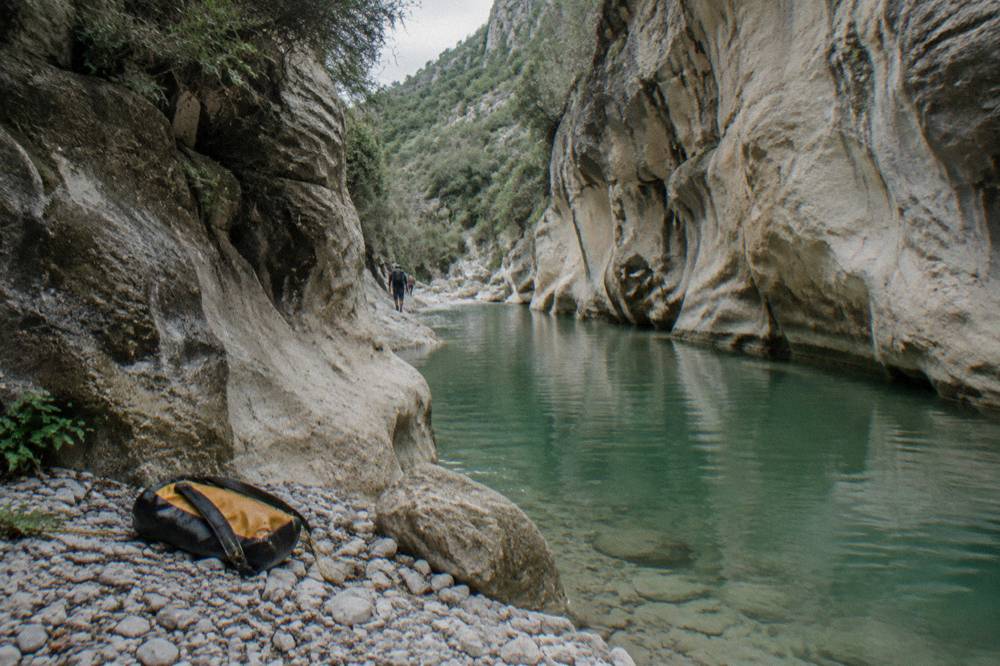
The most reviewed way to book it is the full-day tour from Monterrey, rated 4.9 across 1783 reviews and priced from $158 per person, which includes wetsuit, harness, helmet, life vest, breakfast, snacks, round-trip group transport from the meeting point and tour pictures. One caution worth carrying into any booking: that listing carries no customer free-cancellation term, with a refund only if the operator cancels for weather or minimum group size, so it is the one to think through before committing dates. Check availability.
For canyoners who want more rope after Matacanes, the same sierra holds Chipitín, a neighboring canyon built around seven rappels, which the listing words as a descent down a waterfall of about 100 m. It is a different product from Matacanes, vertical where Matacanes is aquatic, and pairing the two is the local equivalent of doing Ticino's hardest and most beautiful routes back to back. If you are still working out whether this sport is for you at all, start with what canyoning actually involves.
How To Choose Your First World-Class Canyon
Match the destination to your swimming confidence, your cold tolerance and your budget, in that order. Strong swimmers who hate cold should go to Mexico or Hawaii; rope enthusiasts who want vertical should head for Austria or Switzerland; first-timers wanting easy logistics should book Slovenia or a guided Blue Mountains trip. Matacanes suits confident swimmers with good fitness who want the biggest single-day variety for the money.
Swimming ability matters less than people fear, and cold tolerance matters more. Operators of the Mexican routes note that swimming is not essential because the canyoning life jacket provides buoyancy, but participants must be able to jump into water, and the minimum age on those operator programs is 12 with a parent or guardian accompanying children. Alpine routes make no such concession: cold water and long swims between exits are standard.
Budget sorts the shortlist faster than any other filter. A guided day in Hawaii or a multi-day Blue Mountains trip can cost several times a guided day in Mexico, where the roster of bookable full-day tours runs from $144 to $611 per person depending on group size and inclusions. If the answer to "where is the best canyoning in the world" has to fit a real budget, the sierra above Monterrey is the strongest value on the list. Before you book, read our verdict on Monterrey as a travel destination and how to plan the trip to see what else the city offers beyond the canyons.
| If you want... | Book... | Rough planning range |
|---|---|---|
| Warm water, jumps, caves, one big day | Matacanes full-day tour, Sierra de Santiago | From $144 to $611 per person across listings |
| Maximum rappelling | Chipitín 7-rappel canyon, same sierra | From $195 to $247 per person across listings |
| A vertical half-day sampler | Nido de los Aguiluchos via ferrata | From $108 per person |
| Density and infrastructure | Ticino, Switzerland | Guided days vary; book locally in-season |
| Easy first international descent | Soča valley, Slovenia | Guided days vary; summer season |
One planning note applies to every row of that table: canyons are seasonal, rain-dependent and closed by local authorities when water rises, so the operator and the live listing are always the authority on whether a date runs. This site, Matacanes Canyoning, keeps the Mexican side of that picture current across its guides.
The Shortlist Verdict
If the question demands one name, the honest answer for a dedicated canyoner is Ticino, for its unmatched depth of routes. If it demands one bookable day that delivers the most varied canyon experience on earth for the money, the answer is Matacanes in Mexico. The two answers are not in competition: they are the cold-water and warm-water poles of the same sport, and the best canyoners eventually do both.
The Verdon gave the sport its history, Ticino gives it its present, and the warm-water routes give it its future as a bookable travel experience. Mexico's sierra sits in that third wave: guided, equipped, insured and priced for ordinary travelers, with the terrain of a classic and almost none of the fame.
That is the real argument of this whole article. "Best" in canyoning usually means "most famous among the people who got there first." Measured by what a single day actually delivers, jumps, slides, caves, rappels, warm water, ten hours of it, the canyon above Santiago deserves its place in the conversation, and the 1783 travelers who have reviewed the main tour are, in their own way, casting votes.
Common Questions About The Best Canyoning
Where Is The Best Canyoning In The World?
There is no single winner, but the recurring shortlist is Ticino in Switzerland, the Verdon Gorge in France, Slovenia's Soča valley, Austria's Tyrol, Australia's Blue Mountains, Kauai in Hawaii, and the Sierra de Santiago in Mexico, home of Matacanes. For warm-water variety in one bookable day, Matacanes is the strongest contender.
Is Matacanes as good as the famous European canyons?
It is different rather than lesser. European classics are cold, vertical and rope-heavy; Matacanes is a warm-water, full-day route where jumps, slides, swimming, caves and rappels chain together, with a 12 m single drop as the operator states it. Canyoners from the alpine tradition often rate the immersion higher and the technical difficulty lower.
What is the best country for beginner canyoning?
Slovenia offers the easiest logistics and moderate, well-equipped routes for a first international descent. Mexico works well for fit beginners too, since operators supply all equipment and the canyoning life jacket means strong swimming is not essential, though you must be able to jump into water and handle a long day.
How much does a world-class canyoning day cost?
In Mexico's Sierra de Santiago, bookable full-day canyon tours run from $144 to $611 per person depending on the listing, group size and inclusions. Guided days in the Alps, Hawaii and Australia generally cost more. Local fees are small: the national park entry is 125 MXN per person per day and the official community access fee is 60 MXN.
When is the best season for canyoning in Mexico?
Operators run the Sierra de Santiago routes from about March 21 to about September 15, depending on rains and hurricanes. The river level is monitored daily and activities are suspended when it rises, so the operator and the live listing are the authority on whether any date runs.