What Are Some Fun Things To Do In Santiago Nuevo León?
A practical guide to Santiago Nuevo León's best activities, from Cola de Caballo and Presa La Boca to the Matacanes canyoning day, with real prices and meeting points.
What Are Some Fun Things To Do In Santiago Nuevo León?
The five things most worth a day in Santiago are the Matacanes canyoning descent, the Cola de Caballo waterfall park, a meal by Presa La Boca, the Pueblo Mágico plaza itself, and the Cielo Mágico festival if your dates line up in late October. Most visitors treat the canyon day as the headline activity and slot the rest around it, since the town sits barely 30 minutes from Monterrey by car. If your budget is tight after the canyon day, our guide to free activities in Santiago and around Cola de Caballo shows what you can enjoy without spending a peso.
Santiago is the small municipality in the Sierra de Monterrey that most people pass through on the way to somewhere dramatic. That is backwards. The dramatic things are here: the Parque Nacional Cumbres de Monterrey wraps around the town, the Cola de Caballo waterfall is a 25-meter drop inside its own park, and Presa La Boca is the lake the whole weekend crowd from Monterrey drives down to enjoy. The drive from Monterrey to Santiago covers roughly 34 km along the Carretera Nacional and takes about 28 minutes in normal traffic, so nothing on this list is far once you arrive.
We compared the main listings and the local pricing when ranking these, and one thing stands out immediately: the canyon day costs about the same as a long dinner for two by the lake, and it is the item people remember years later. The rest of this guide walks through each activity in the order most visitors actually do them.
Is Cola De Caballo Worth The Entry Fee?
Yes, for a first visit. The waterfall drops 25 meters inside the Parque Ecológico Cola de Caballo, entry is 50 MXN for adults and 30 MXN for children and seniors, parking is 30 MXN, and the park opens daily from 9:00 to 18:00. The walk to the falls is short, which makes it the easiest dramatic scenery in the municipality.
The park is reached by turning off the Carretera Nacional at El Cercado onto the dedicated road that reaches the park entrance around km 6. Beyond the falls themselves, the park runs a 500-meter IBO Roller Zip that the operator describes as suitable for all ages year-round, so families with mixed appetite for adventure can split the visit. Some landowners near the entrance charge around 100 MXN per vehicle for parking on private lots, so the official lot at 30 MXN is usually the better arithmetic.
One honest note on timing: the same rains that fill the waterfall are the rains that pause canyon descents in the Sierra. Cola de Caballo's park trail and the Matacanes canyon are different things, and the waterfall park keeps its daily schedule while canyon trips wait on river levels. If a canyon date is suspended by the authorities, the waterfall viewpoint is the natural consolation plan, and it is a good one. Our Cola de Caballo waterfall guide breaks down the trails and the drive in more depth.
What Do You Do At Presa La Boca?
You eat, you float and you watch the weekend unfold. Presa La Boca is the lake just above Santiago with a ring of casual restaurants, kayaks and sunset viewpoints, mains around 200 to 500 MXN at the seafood spots, and cheaper tacos and burgers at the stands. It is the low-effort half day of any Santiago itinerary.
El Flotante is the best-known of the lake restaurants, serving seafood and mains from roughly 200 to 500 MXN, while Santitos and similar casual counters keep the cost down with tacos and burgers. The lake is also the reason the area attracts cabins and camping: one events site above the water takes tents for groups of up to 50 people, and equipped cabins in the surrounding hills book out on autumn weekends. If you are staying overnight rather than day-tripping, our where to stay in Santiago guide covers the cabin price bands, which run about 2000 to 3500 MXN per night for a small cabin and 3500 to 6500 MXN for family-sized ones.
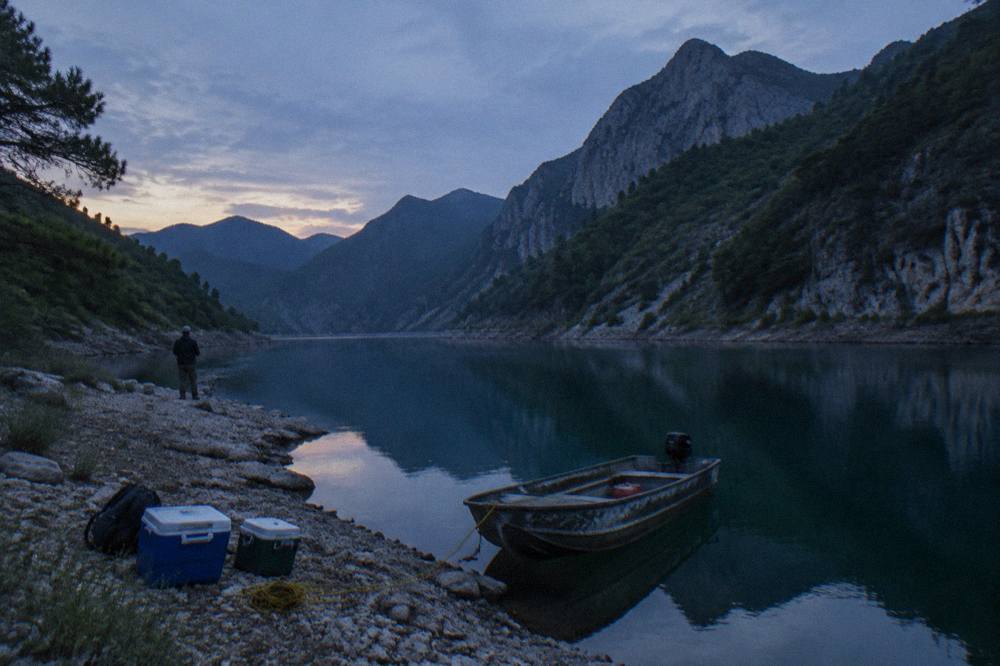
The lake has a second, quieter role in the adventure calendar. Its levels are watched closely in the rainy months because releases from the dam feed the rivers below, and those rivers are what the canyon operators monitor daily before confirming a descent. On a normal dry-season weekend none of that touches the visitor: you simply eat long, swim short and drive home.
Is The Matacanes Canyon Day The Real Reason To Come?
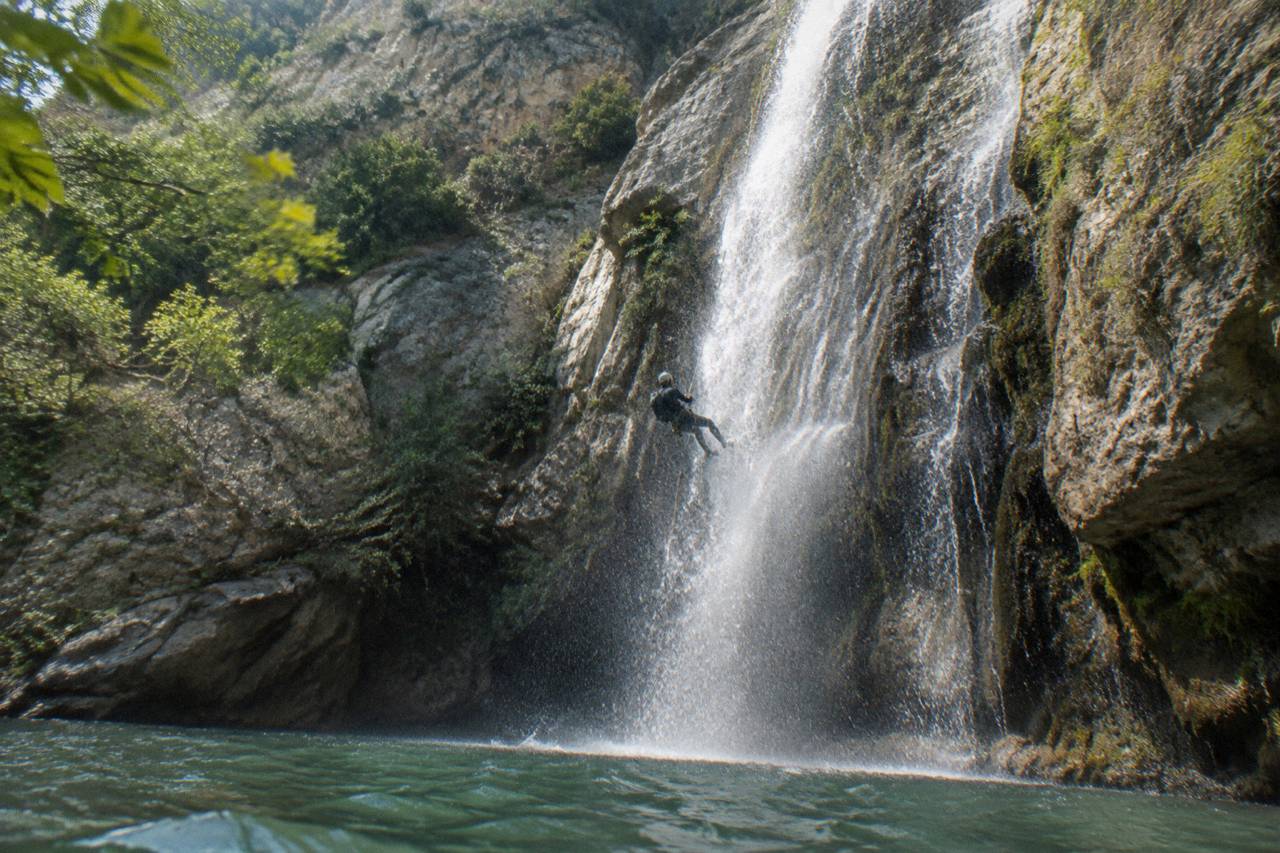
For most visitors, yes. The full-day Matacanes tour runs roughly 8 to 12 hours depending on the operator, combines rappels, water jumps, natural slides and cave passages, and the most-reviewed listing shows 4.9 across 1783 reviews from $158 per person. Operators describe the route as intermediate, with a 12 m single drop as its statement feature.
This is the activity that put Santiago on the international map, and it is why Matacanes Canyoning exists as a site at all. The route sits inside the national park, reached by unpaved access roads from the Cola de Caballo side that operators cover in their own 4x4 transport, which is why every listing includes shuttle from a meeting point rather than expecting you to drive the trailhead yourself. Park entry costs 125 MXN per person per day, with children under 12, older adults and people with disabilities exempt, and the official ejido access fee for the Matacanes and Chipitín routes is 60 MXN per person paid in Potrero Redondo. The community issued a notice warning that outsiders were charging 180 to 250 MXN for the same access, so paying the official rate at the route entrance matters.
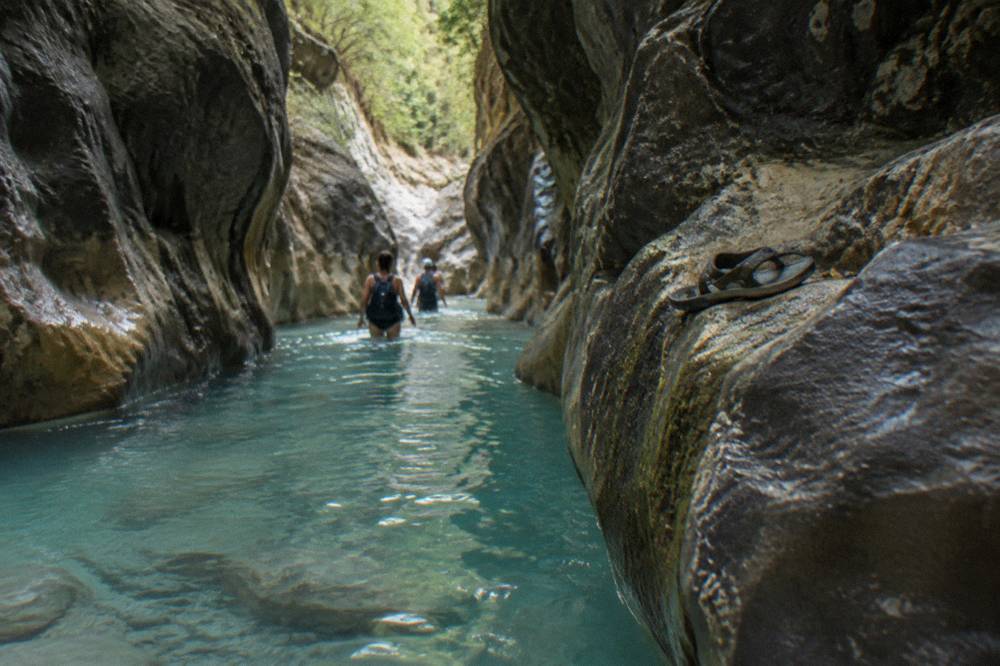
The headline listing, the Matacanes Full-Day Canyoning tour, includes wetsuit, harness, helmet, life vest, breakfast, snacks, round-trip group transport from the meeting point and tour pictures, from $158 per person, meeting either at the Walmart Supercenter on Eugenio Garza Sada in Monterrey or at the Hotel Hacienda Cola de Caballo lot in Santiago. Two things to check on the booking page before you commit: this listing carries no customer free-cancellation term, with refunds only if the operator cancels for weather or minimum group size, and the season matters, since operators describe running roughly 21 March to 15 September depending on rains, and the municipal authority can suspend canyon activities at any time when river levels rise. The booking page and the operator are the authority on whether a given date runs. If you're wondering how Matacanes stacks up against the planet's other legendary descents, our guide to the best canyoning destinations worldwide puts this Sierra de Santiago run on the shortlist.
One variant worth knowing: the Matacanes From Santiago With Regional Meal listing is a newer, Spanish-language-guided option from $247 per person, meeting at the Hotel Hacienda Cola de Caballo in Cieneguilla, including the CONANP permit, ejido access, 4WD transport to the canyon, a full gear set and a regional meal at the end. It has no reviews on the listing yet, which is different from being rated poorly; it simply has no track record to read.
What If You Want Adventure Without The Full Canyon?
Santiago has a genuine half-step option: the Nido de los Aguiluchos via ferrata day, about 7 hours, from $108 per person, rated 4.9 across 753 reviews, with a minimum age of 12 and groups capped at 15. It is climbing, rappels and cables rather than canyoning, so you get height and adrenaline without the full-day water commitment.
The via ferrata listing meets in the H‑E‑B Gonzalitos parking lot in Monterrey, includes climbing equipment, professional guides and transport in an air-conditioned vehicle, and carries free cancellation. Reviews at 4.9 across 753 make it the second most-reviewed adventure listing in the area after the main Matacanes day. It also answers a real planning problem: families with a 12-year-old, or adults unsure about a 12-meter water jump, get a guided rope-and-height experience that operators describe as suitable for various experience levels.
The third option in the area is a different canyon entirely. Chipitín, with its 7-rappel route down a waterfall the listing describes as about 100 m, is a separate product from Matacanes and is sold as such, from $195 per person from Monterrey with meals and transport included. If you are choosing between canyons rather than between activity types, the comparison in which Matacanes tour to book lays out the differences listing by listing.
How Do You Fit Santiago Into One Weekend?
Arrive Friday evening, eat at the lake, spend Saturday on the canyon or via ferrata day, and give Sunday morning to Cola de Caballo and the plaza before the 30-minute drive back to Monterrey. Uber runs Monterrey to Santiago in about 25 minutes for around 330 MXN, and three public bus lines cover the route in about 50 minutes for roughly 48.80 MXN.
The table below is the honest version of that weekend, with the real cost anchors for each item so you can budget without surprises.
| Activity | Time needed | Cost anchor | Best for |
|---|---|---|---|
| Matacanes full-day canyoning | 8 to 12 hours | From $144 to $611 per person across listings, plus 125 MXN park fee and 60 MXN ejido access | The headline day, fit visitors |
| Nido de los Aguiluchos via ferrata | About 7 hours | From $108 per person | Ages 12 up, height lovers |
| Cola de Caballo park | 2 to 3 hours | 50 MXN adults, 30 MXN children, 30 MXN parking | Families, easy morning |
| Presa La Boca meal and viewpoints | Half day | 200 to 500 MXN mains, less at the stands | Everyone, sunset |
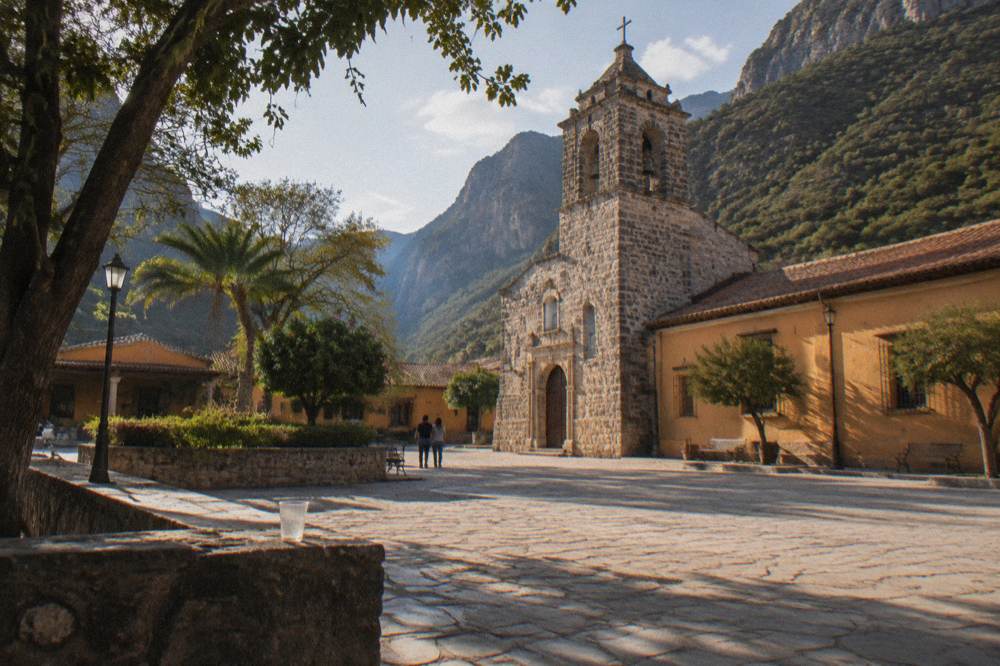
| Pueblo Mágico plaza stroll | 1 to 2 hours | Free | Coffee, photos, slow hour |
Two practical warnings from the transport picture. Nighttime repaving was underway on a 3 km stretch of the Carretera Nacional between Allende and Monterrey, so a late drive back can add delay. And every canyon listing meets at a specific point, Walmart Las Torres at 4:00 a.m. on one, the Hacienda Cola de Caballo roundabout on another, because the unpaved final approach to the trailheads needs high-clearance vehicles; showing up at the wrong meeting point is the most common self-inflicted failure of the day.
What Is The Best Time Of Year For A Santiago Trip?
Late March through early September is the canyon season, and it is also when the waterfall and lake are at their fullest; operators describe the season as roughly 21 March to 15 September, rain-dependent, with river levels checked daily.
The seasonal pattern is honest about the trade-off. Summer rains fill everything and occasionally close the canyon: the municipal protection authority suspended river and canyon activities in the Sierra de Santiago after river levels rose, in force until further notice, and the same authority warns that flash floods can arrive in the canyons even when it is not raining at the site itself. Dry-season visits get reliable waterfall flow at Cola de Caballo and calm lake afternoons, but the canyon operators describe their own window as the March-to-September stretch, so a February visitor should plan on the via ferrata, the park and the lake rather than the descent. Whenever you book, ask the operator directly whether your date is confirmed; the booking page reflects the current status faster than any calendar.
For readers planning the whole picture around the canyon day, the deeper comparisons live in how to get from Monterrey to Matacanes, which covers every meeting point on the roster.
Common Questions About Santiago Nuevo León
What Are Some Fun Things To Do In Santiago Nuevo León?
The five best are the Matacanes canyoning day, the Cola de Caballo waterfall park, a meal at Presa La Boca, the Pueblo Mágico plaza, and the Cielo Mágico festival in late October. Most visitors build the trip around the canyon day and use the waterfall, lake and plaza to fill the rest of the weekend.
Can you visit Cola de Caballo without a tour?
Yes. The park opens daily from 9:00 to 18:00, entry is 50 MXN for adults and 30 MXN for children and seniors, and the walk to the 25-meter falls is short. Drive the Carretera Nacional south, turn at El Cercado, and the park entrance is around km 6 of the dedicated road.
Is Matacanes suitable for beginners?
Operators describe the route as intermediate, requiring regular physical condition, with jumps up to 12 m, some described as mandatory, rappels and swimming in cold water. Swimming ability is described as not essential because the canyoning life jacket provides buoyancy, but you must be able to jump into water. Ask the operator about fitness and health questions before booking.
What does the Matacanes day cost?
Matacanes day tours run from $144 to $611 per person depending on the listing, plus 125 MXN national park entry and 60 MXN ejido access. What is included varies: the main listing includes gear, breakfast, snacks, transport from the meeting point and photos from $158, while a small-group listing from $611 caps the group at 15. The booking page shows the live price.
When is the canyon closed?
Operators describe the season as roughly 21 March to 15 September, depending on rains, and the municipal protection authority can suspend canyon activities at any time when river levels rise; a suspension issued remained until further notice. Tours pause when levels are high, and the operator and booking page are the authority on whether a date runs.