Free Things To Do In Santiago Nuevo León And Around Cola De Caballo
Santiago sits at the foot of the Sierra Madre Oriental, and a surprising amount of it, plazas, lake shores, viewpoints and mountain air, costs nothing. Here is what is genuinely free, what carries a small local fee, and where a paid canyon day fits in.
Short answer
Santiago offers free plazas, the Presa La Boca shoreline, roadside Sierra viewpoints and village walks. Cola de Caballo park itself charges 50 MXN entry for adults. The GuruWalk tip-based tour in Monterrey is the closest thing to a free guided experience. The Matacanes full-day canyoning tour, from $158 per person, is the paid upgrade.
Santiago is the kind of town where the best hours cost nothing. The main square in the evening, the shore of Presa La Boca at golden hour, the first sight of the Sierra wall as you drive south from Monterrey on the Carretera Nacional, all of it is open to anyone who shows up. What trips up budget travelers is the patchwork of small fees that sit just outside the free zone: the national park entry charge, the community access fee at Potrero Redondo, and the question of whether the famous waterfall itself is free to see.
This guide separates the two. First the genuinely free layer: plazas, viewpoints, lake shores and the tip-based walking tour in Monterrey. Then the paid layer, where one day above all the others justifies its price: the Matacanes full-day canyoning tour, the most reviewed canyon experience in the area at 4.9 across 1783 reviews, from $158 per person. If you are stretching pesos across a whole trip, that is the day to save for.
One thing to know before you plan anything on the water or on trails: Protección Civil de Santiago can suspend river, canyon and rugged-terrain activities in the Sierra at any time when river levels rise, and a suspension was in force after heavy rains. The operator and the booking page are the authority on whether a date runs.
What Can You Do In Santiago For Free?
The free core of Santiago is its plazas, the Presa La Boca shoreline, the village streets of Potrero Redondo and the roadside viewpoints along the Carretera Nacional, all open without a ticket. The waterfall parks and the canyon trails are the exceptions: they carry entry or community access fees, small in pesos but real, and they are covered further down this guide.
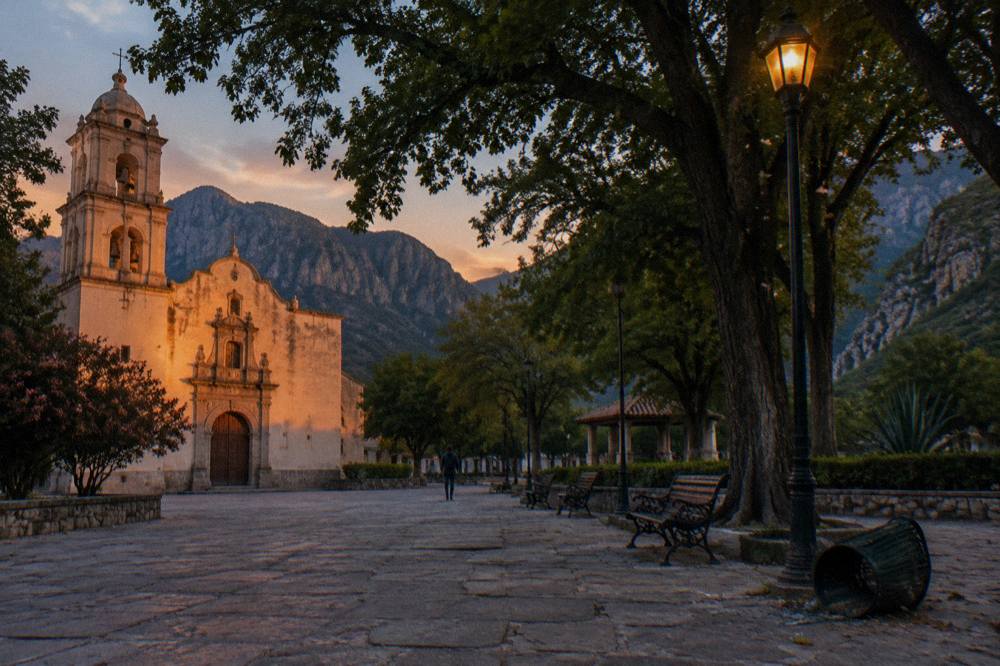
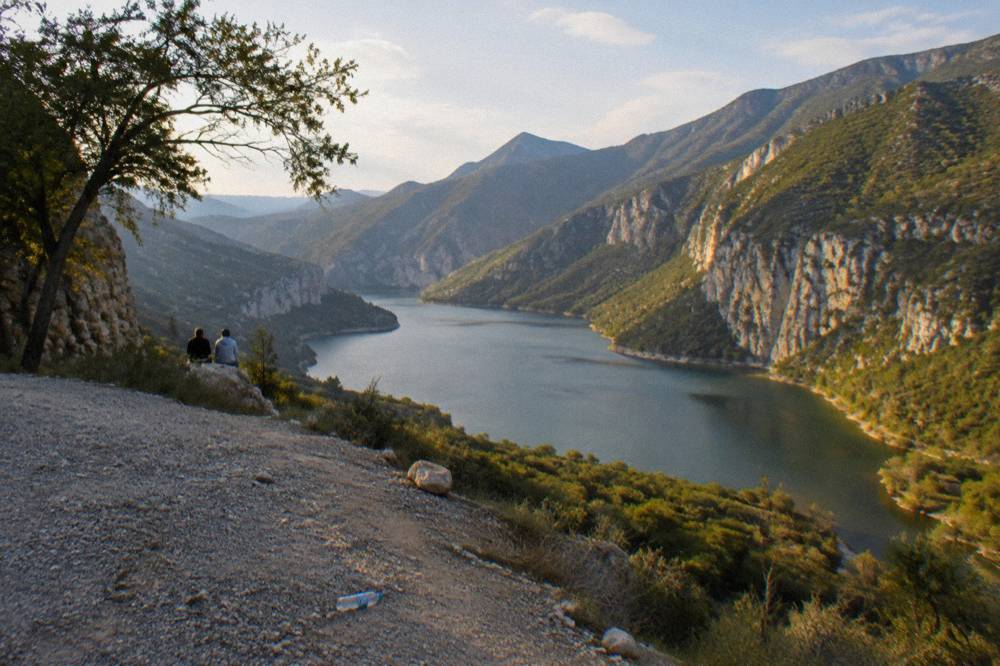
Start in the center. Santiago's main square is a working town plaza rather than a tourist attraction, which is exactly why it costs nothing and gives plenty: shade trees, a church frontage, ice cream shops, and the slow evening paseo that northern Mexican towns do well. A short drive or a long walk east brings you to the shore of Presa La Boca, the lake that fills the valley below the town. The shoreline road has informal pull-offs where locals fish and watch the sun drop behind the ridge. None of it is gated.
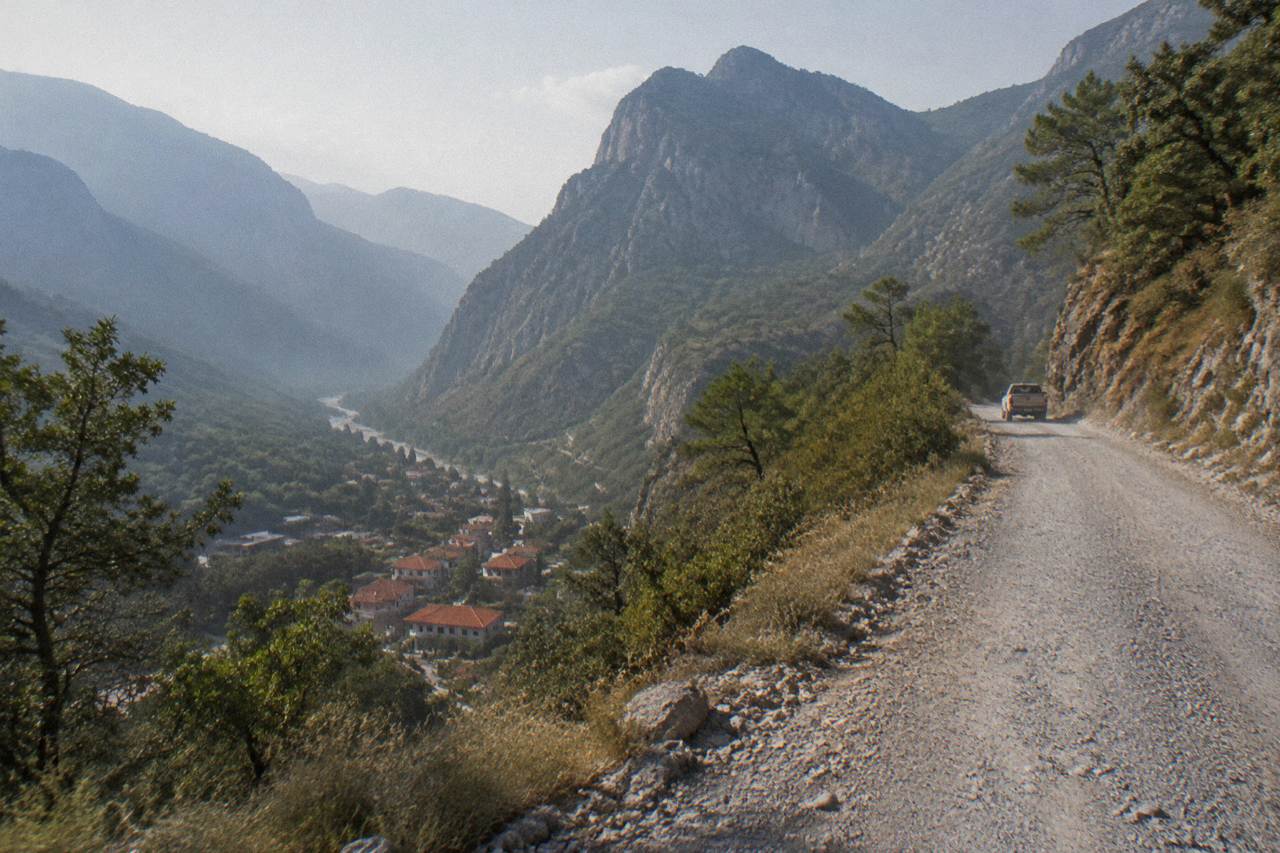
The drive itself is a free attraction. The roughly 34 km stretch from Monterrey to Santiago on the Carretera Nacional takes about 28 minutes in normal traffic and delivers the Sierra wall in stages; the view opens up as the road climbs past El Cercado. Pull over where it is safe, not on blind curves.
Potrero Redondo, the mountain village that anchors the Matacanes and Chipitín trailheads, is reached by unpaved dirt roads that realistically require a 4x4 for the steep sections, so the free version of that trip is the drive and the village, not the canyons. The canyon routes are guided-product territory, and the community charges an access fee at the entrance regardless of who you book with.
Our Cola de Caballo waterfall guide covers the waterfall park in detail, and where to stay in Santiago helps if you want to base yourself near all of this rather than day-trip from Monterrey.
| Free spot | What you get | Catch |
|---|---|---|
| Santiago main square | Plaza life, church, evening atmosphere | Nothing, it is a public square |
| Presa La Boca shoreline | Lake views, fishing spots, sunset pull-offs | Informal access points, no facilities |
| Carretera Nacional viewpoints | Panoramic Sierra wall views on the drive south | Park only in safe, signed pull-offs |
| Potrero Redondo village | Mountain village atmosphere at the trailhead base | Dirt access roads, 4x4 realistically needed |
| Monterrey Macroplaza | One of the world's largest plazas, free to walk | 30 to 40 minutes north by car |
Where Are The Best Free Viewpoints Around Santiago?
The best free viewpoints are the pull-offs along the Carretera Nacional between Monterrey and Santiago, the high ground above Presa La Boca, and the road toward El Cercado, where the Sierra de Santiago wall fills the horizon without any entry gate or fee.
The Sierra does something generous here: it shows itself from the public road. Driving south from Monterrey, the wall builds on your right in tiers, and several wide shoulders between Allende and Santiago serve as unofficial viewpoints. This is the same road corridor where nighttime repaving work was underway on a 3 km stretch near Yerbaniz and El Barro, so expect occasional lane closures after dark and plan viewpoint stops in daylight.
Above the lake, the ridgeline roads east of Santiago give the classic Presa La Boca panorama, water below, pine slopes above. Locals use these roads for evening drives and cycling. There is no fee because there is no gate; the only costs are fuel and patience on the curves.
If you want a viewpoint with infrastructure rather than a shoulder, that is where free ends. The Cola de Caballo park charges entry, and the adventure setups around the Sierra, via ferratas and ziplines, are paid products. For most budget travelers the free road viewpoints deliver 90 percent of the photo for zero pesos. Ride-hailing services do operate in Santiago for local trips, so you can reach the lake viewpoints without renting a car, though a driver waiting on a mountain road is a courteous thing to arrange in advance.
Is The GuruWalk Free Tour In Monterrey Really Free?
The GuruWalk walking tour in Monterrey is free to book and walk, but it is tip-based: the guide works for whatever you choose to give at the end, so the honest budget is whatever a couple of hours of good guiding is worth to you, typically a modest tip in pesos.
This is the closest thing to a genuinely free guided experience in the Monterrey and Santiago orbit. A verified GuruWalk tour operates in Monterrey's center, and it is the standard tip-based model: reserve a slot, walk the historic core with a local guide, pay what you want at the end. It is a fair deal for budget travelers, and it is honest to call it free to join while making clear the guide depends on tips, so treat the tip as part of the cost rather than an optional extra.
The walk covers downtown Monterrey, which pairs well with a Santiago day trip since the two are barely half an hour apart by road. It also answers the "what is this city" question cheaply before you commit money to the adventure layer.
The catch is what a city walk cannot give you: the canyon. No tip-based model runs a canyoning day, because ropes, wetsuits, certified guides, transport and park access cost real money per person. That is the natural line between the free layer and the paid layer of a Santiago trip, and the tours below sit on the paid side of it, from the budget end to the small-group end.
Can You See Cola De Caballo Without Paying?
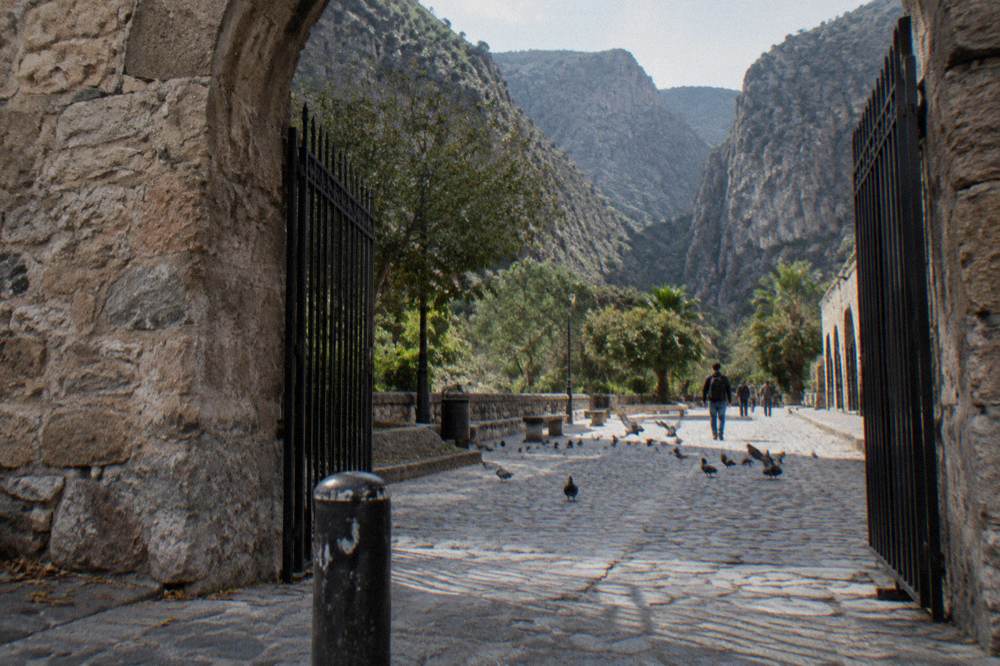
Cola de Caballo waterfall itself sits inside the Parque Ecoturístico, which charges 50 MXN for adults, 30 MXN for children and seniors, and 30 MXN for parking, so the waterfall is not free. The road to the park turn-off, the surrounding trails and the general Sierra scenery are free to enjoy.
The community notice is the detail worth knowing: entry to the waterfall park is cheap, but it is a real ticketed park with hours, roughly 9:00 to 18:00 daily. Some landowners near the park separately charge around 100 MXN per vehicle for parking on their lots, so the parking line on your budget depends on where you stop. The park is reached by turning off the Carretera Nacional at El Cercado onto the dedicated road, with the park at about kilometer 6. The rest of the planning pages sit on Matacanes Canyoning.
What is free around it: the drive in, the river access points along the way where families picnic, and the general forest air of the Sierra de Santiago. If your goal is a waterfall photograph without any fee at all, the honest answer is that Cola de Caballo's 25-meter drop is the one behind the fence, and the free alternatives are the road cascades and viewpoints, which are scenic but not the headline waterfall.
For canyon travelers there is a second, different fee that matters more: the official community access fee for the Matacanes and Chipitín routes is 60 MXN per person, paid in Potrero Redondo at the route entrance. The community notice warns that outsiders have charged visitors 180 to 250 MXN under the same name, so pay at the official point and confirm with your operator what is already covered in your tour price.
Beyond that fee sits the national park entry itself. The park authority states entry at 125 MXN per person per day for Parque Nacional Cumbres de Monterrey, with exemptions for children under 12, older adults, pensioners and people with disabilities with ID. Many guided tours fold permits and access into the listing price, which is one quiet argument for booking rather than assembling the day yourself.
| Item | Cost | Notes |
|---|---|---|
| Cola de Caballo park entry, adult | 50 MXN | Children 4 to 10 and seniors 30 MXN |
| Cola de Caballo parking | 30 MXN in the park | Some nearby private lots charge around 100 MXN per vehicle |
| Potrero Redondo community access, Matacanes and Chipitín | 60 MXN per person | Official fee at the route entrance; beware 180 to 250 MXN overcharging |
| National park entry | 125 MXN per person per day | Exemptions for under 12s, seniors, pensioners, disabilities with ID |
| GuruWalk Monterrey tour | Free to book, tip-based | Budget a tip for the guide |
Which Free Trails Are Safe After Heavy Rain?
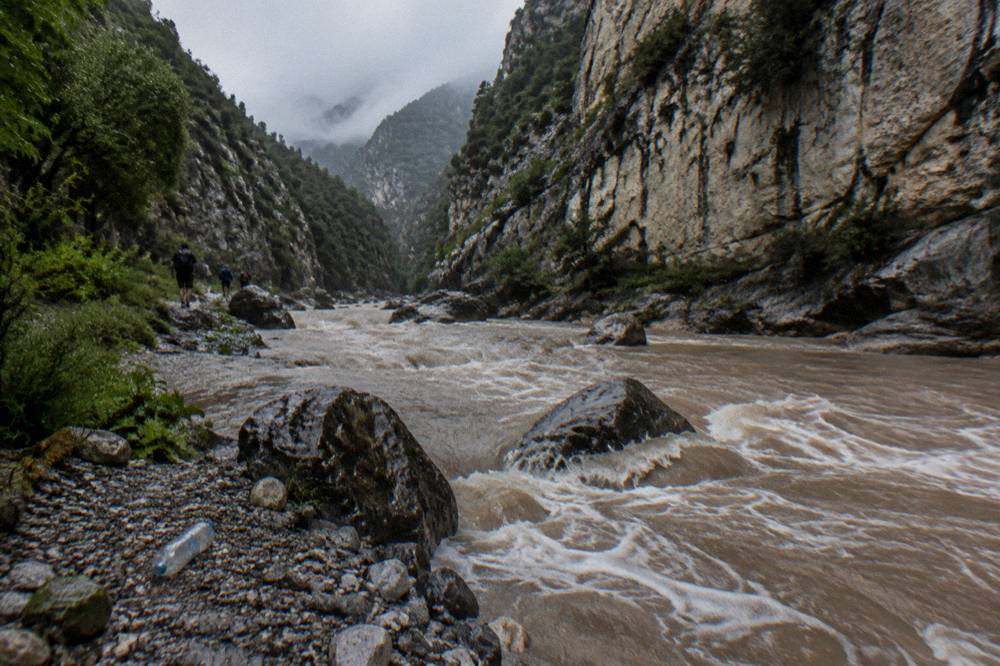
Free walking in town and on paved viewpoints stays safe year-round, but trails, riverbanks and any unpaved Sierra route can be closed or genuinely dangerous after rain, because the Santiago authority suspends rugged-terrain activities when river levels rise, and flash floods can occur even when it is not raining at the trailhead.
This is the part of a free-things guide that most lists skip, and in this valley it matters. Protección Civil de Santiago suspended river, canyon and rugged-terrain activities across the Sierra de Santiago after river levels rose, and the suspension stayed in force until a new official notice. Mid-October rains then pushed Presa La Boca past full capacity, triggering controlled releases and road closures around Santiago. None of this is exotic; it is the autumn pattern in this watershed.
The practical rules for the free layer of your trip: stick to town plazas, paved viewpoints and the lake road when levels are high, treat any sign or barrier in the Sierra as binding, and ask locally before walking riverbanks. The same authority warns that rain in the upper Sierra can send sudden floods down canyons even when the sky above you is clear, which is why experienced canyoners treat weather upstream, not weather on site, as the real signal.
For the paid layer, this risk is exactly what you are outsourcing. Canyon season for operators runs roughly from 21 March to about 15 September, depending on rains and hurricanes, with water levels watched daily by the Potrero Redondo community and state authorities. If your trip falls outside that window or during a suspension, the booking page and the operator are the authority on whether your date runs, and a good operator will tell you plainly rather than push the departure. Check the current official conditions and ask your operator before committing to any date.
What Does A Free Day In Santiago Actually Look Like?
A realistic free day runs the main square in the morning, the Presa La Boca shoreline road at midday, a Carretera Nacional viewpoint pull-off in the afternoon, and the plaza again at dusk, all for the cost of fuel or a rideshare, with the only real spending being food and the optional GuruWalk tip if you start in Monterrey.
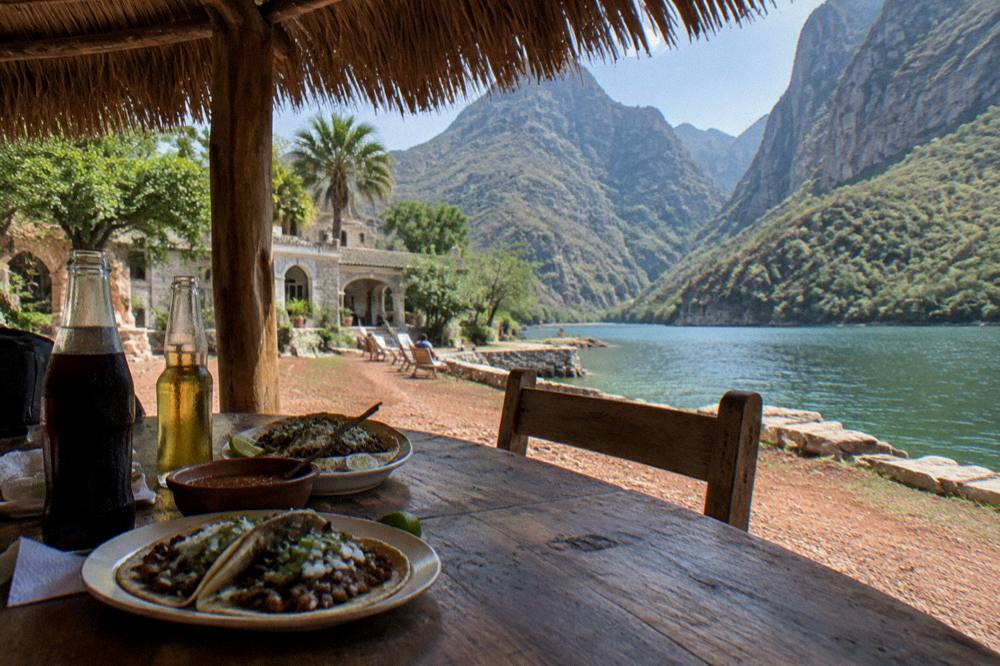
Here is a shape for it. Morning: coffee and pan dulce on the Santiago square, then the shoreline road along Presa La Boca while the light is still soft on the water. Midday: tacos at one of the casual lake-area spots, mains at the sit-down places near the lake run roughly 200 to 500 MXN, so a budget lunch means sticking to the taquería end. Afternoon: drive or rideshare south toward the El Cercado turn-off for the free Sierra views, or walk the river access points on the Cola de Caballo road without entering the park. Dusk: back to the square. Once you have the free outline sorted, the guide to paid and adventurous activities in Santiago Nuevo León covers what to add if your budget stretches beyond tacos and viewpoints.
Getting there is cheaper than most visitors expect. Public buses from Monterrey to Santiago use three lines and take about 50 minutes for a fare of roughly 49 MXN, and ride-hailing operates in Santiago for local hops to the lake and viewpoints. A rental car wins on flexibility for the viewpoint stops, but it is not required for the town and lake core of the day.
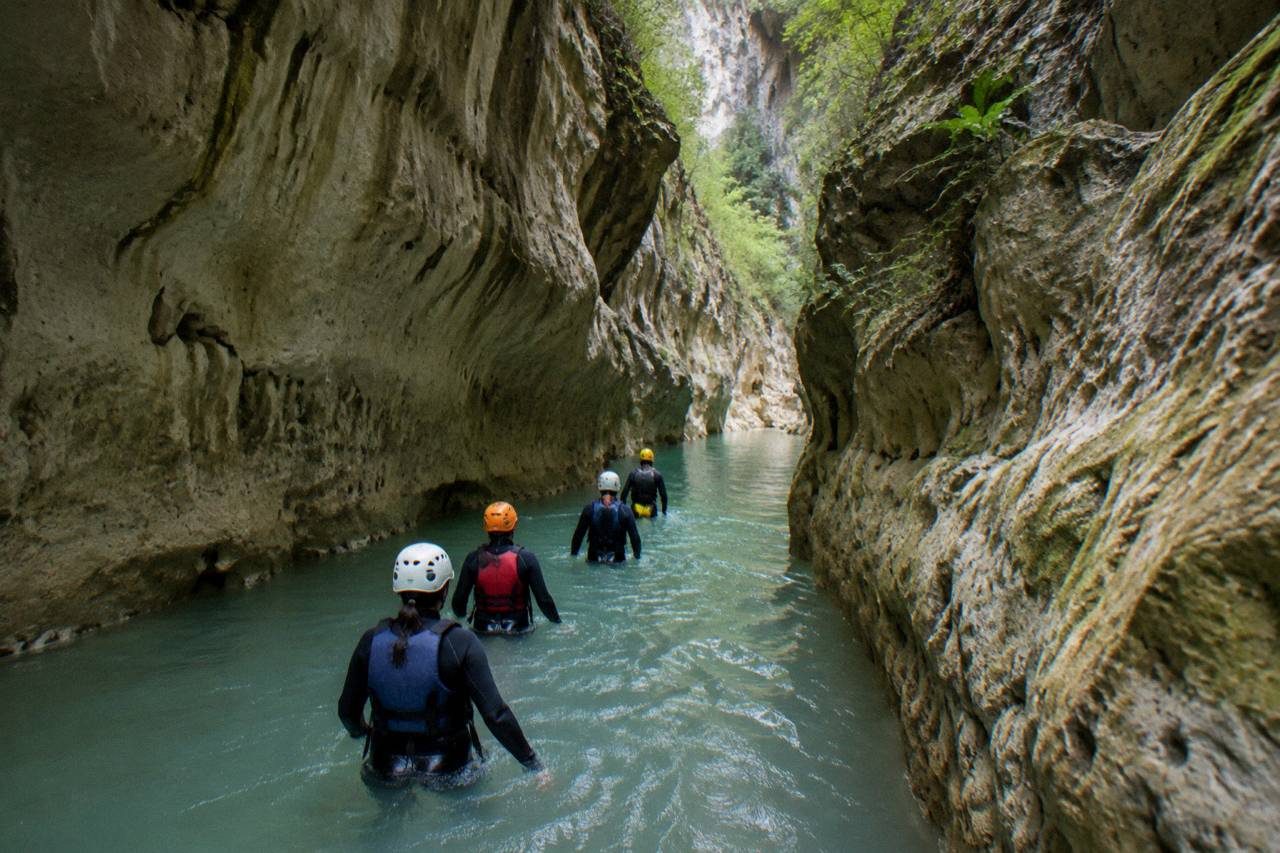
What the free day cannot include, at any price of walking shoe, is the inside of the canyon. Matacanes is rappels, jumps, slides and caves down a river channel, and it needs a guide, gear and permits. That is not a sales line, it is the terrain.

| Time | Free plan | Notes |
|---|---|---|
| Morning | Santiago main square, then Presa La Boca shoreline road | Soft light on the lake, easy parking |
| Midday | Budget lunch near the lake | Casual spots from tacos upward; sit-down mains 200 to 500 MXN |
| Afternoon | Carretera Nacional viewpoints or river access on the Cola road | Check conditions after any rain |
| Dusk | Return to the square for the evening paseo | Free, and the best people-watching of the day |
When Is The Paid Matacanes Day Tour Worth Adding?
The paid day earns its place when you want the canyon itself: rappels, jumps, slides and cave passages that no free walk reaches, with gear, guides, breakfast, transport from the meeting point and photos included, from $158 per person on the most reviewed listing, 4.9 across 1783 reviews.
Think of the free layer as the preview and the canyon day as the feature. The Matacanes full-day tour runs about a full day with a group cap of 25, meeting at the Walmart Supercenter on Eugenio Garza Sada or the Hotel Hacienda Cola de Caballo lot, with round-trip group transport from the meeting point included. Wetsuit, harness, helmet, life vest, breakfast, snacks and tour pictures are in the price; video service is not. Note this listing carries no customer free-cancellation term, with refunds only if the operator cancels for weather or group minimums, which matters when canyon dates hinge on river levels.
Two neighboring products fill out the paid picture. The Nido de los Aguiluchos via ferrata, from $108 per person and rated 4.9 across 753 reviews, is a climbing-and-rappels day rather than canyoning, meeting at the H‑E‑B Gonzalitos lot, with a minimum age of 12 and a group cap of 15, and it also carries no customer free-cancellation term. And the Chipitín 7-rappel canyon tour from Monterrey, from $195 per person with round-trip transport, meals, water, electrolytes and snacks, and a photo session included, is a different canyon with seven rappels down a waterfall of about 100 m as the listing words it; it is a new listing with no reviews yet.
For travelers who want a regional meal and a Santiago start, the Matacanes tour from Santiago with regional meal, from $247 per person, includes an accredited guide, accident insurance, permits and access, 4WD transport to the canyon, full gear, breakfast, snacks, a regional meal at the end and photos. It is Spanish-language guided and it is also a new listing with no reviews yet, so read the inclusions carefully on the live listing before booking.
Budget logic, plainly: if your whole trip is built on free plazas and viewpoints, one canyon day roughly doubles or triples the cost of a two-day Santiago visit, and most people who come this far consider it the day they remember. Our guide to which Matacanes tour to book compares all of them line by line, and how to get from Monterrey to Matacanes covers the drive and meeting points in detail.
Common Questions About Free Things In Santiago
What Can You Do In Santiago For Free?
The plazas, the Presa La Boca shoreline, the roadside viewpoints on the Carretera Nacional and the village atmosphere of Potrero Redondo are all free. The waterfall park, the canyon routes and the national park carry entry or access fees in pesos.
Can You See Cola De Caballo Without Paying?
No. The waterfall sits inside the Parque Ecoturístico, which charges 50 MXN for adults, 30 MXN for children and seniors, and 30 MXN for parking. The surrounding roads, river access points and viewpoints are free.
Is The GuruWalk Free Tour In Monterrey Really Free?
It is free to book and join, but tip-based: the guide depends on what participants give at the end, so budget a tip as part of the cost. It is the closest thing to a free guided experience near Santiago.
Which Free Trails Are Safe After Heavy Rain?
Town walks and paved viewpoints stay fine, but riverbanks, unpaved Sierra routes and any canyon-adjacent trail can be closed after rain. The Santiago authority suspends rugged-terrain activities when river levels rise, and flash floods can arrive even when it is not raining on site. Ask locally and check with operators.
How Much Does The Matacanes Tour Cost On Top Of A Free Trip?
Matacanes day tours run from $144 to $611 per person depending on the listing, with the most reviewed full-day tour from $158. Separately, budget the community access fee of 60 MXN per person if it is not already covered, and national park entry of 125 MXN per person per day.
Can You Get To Santiago From Monterrey Cheaply?
Yes. Public buses take about 50 minutes for roughly 49 MXN using three lines, and ride-hailing operates both between Monterrey and Santiago and locally within Santiago for lake and viewpoint trips.
When Is The Best Season For The Free And Paid Activities?
Town, plaza and lake activities run year-round. Canyon season runs roughly 21 March to 15 September per operator statements, and some Chipitín listings state April to September. Outside those windows, or during a suspension, the free layer of Santiago is what is reliably on.
Budget travelers usually land in Santiago for the free mountains and stay for one expensive, unforgettable river. Plan the free days around plazas and viewpoints, keep a little cash for the peso fees, and if the season and the river allow it, give one day to the canyon.