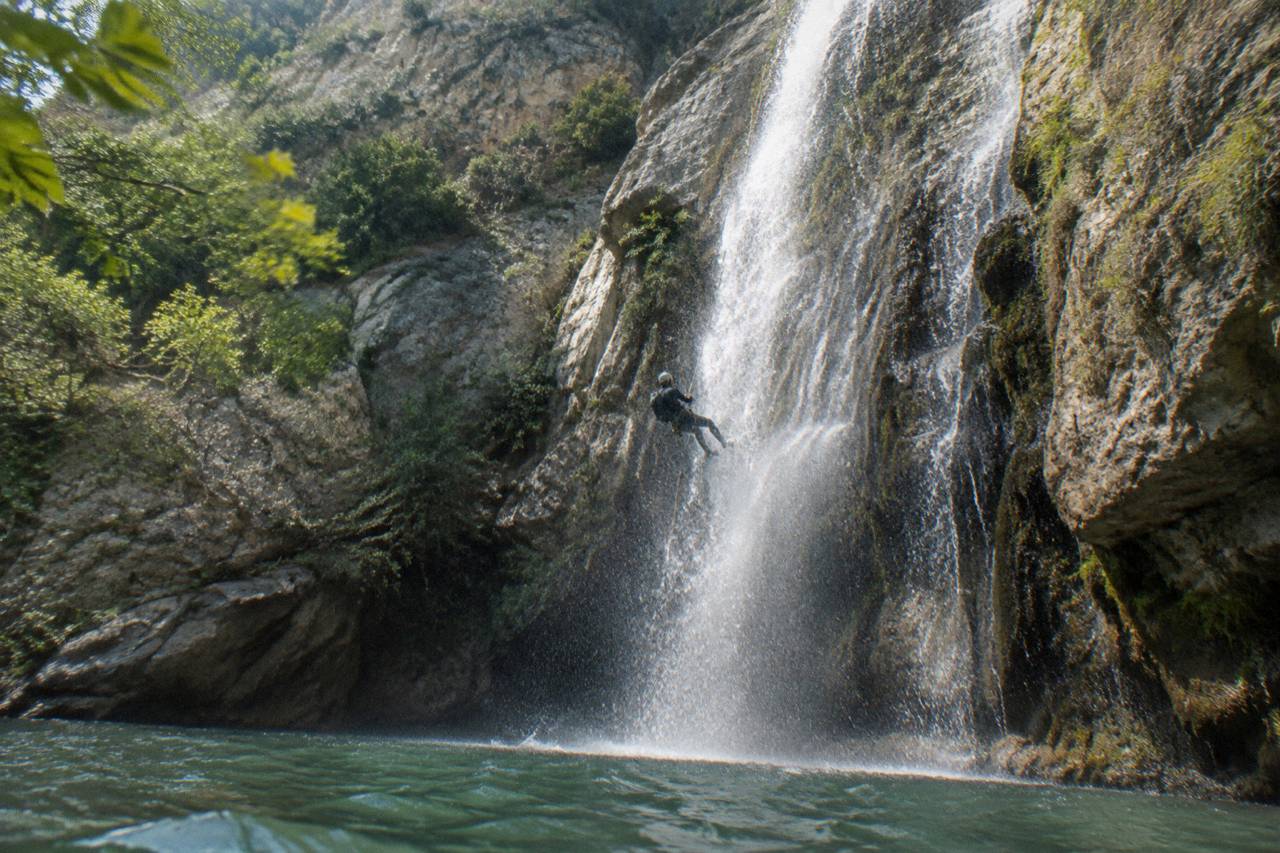
Cola De Caballo Waterfall: Visiting Before Or After Your Tour
Cola de Caballo is the easy half-day sight of the Santiago area, and it sits on the same road most Matacanes tours use to reach the canyon. Here is what the park costs, how to reach it, and how to bolt it onto a canyoning day.
Short answer
Cola de Caballo park opens daily 9:00 to 18:00, charges 50 MXN adult entry, 30 MXN for children and seniors, and 30 MXN parking. It is about 34 km and 30 minutes from Monterrey by car, and most Matacanes tours meet within a few minutes of its entrance, which makes the pair an easy one-day or two-day plan.
Cola de Caballo, the horsetail waterfall a short drive south of Monterrey in Santiago, is the region's classic half-day excursion. The park around it is small, signposted and family-friendly, which is exactly why canyoners keep crossing paths with it: the road to the waterfall is the same corridor that carries almost every Matacanes departure, and several canyoning operators use meeting points within a few minutes of the park gate. Matacanes Canyoning treats the waterfall as the natural warm-up or cool-down for the canyon day, and this guide covers both halves of that plan: what the park itself costs and how to reach it, then how to sequence the two without burning yourself out.
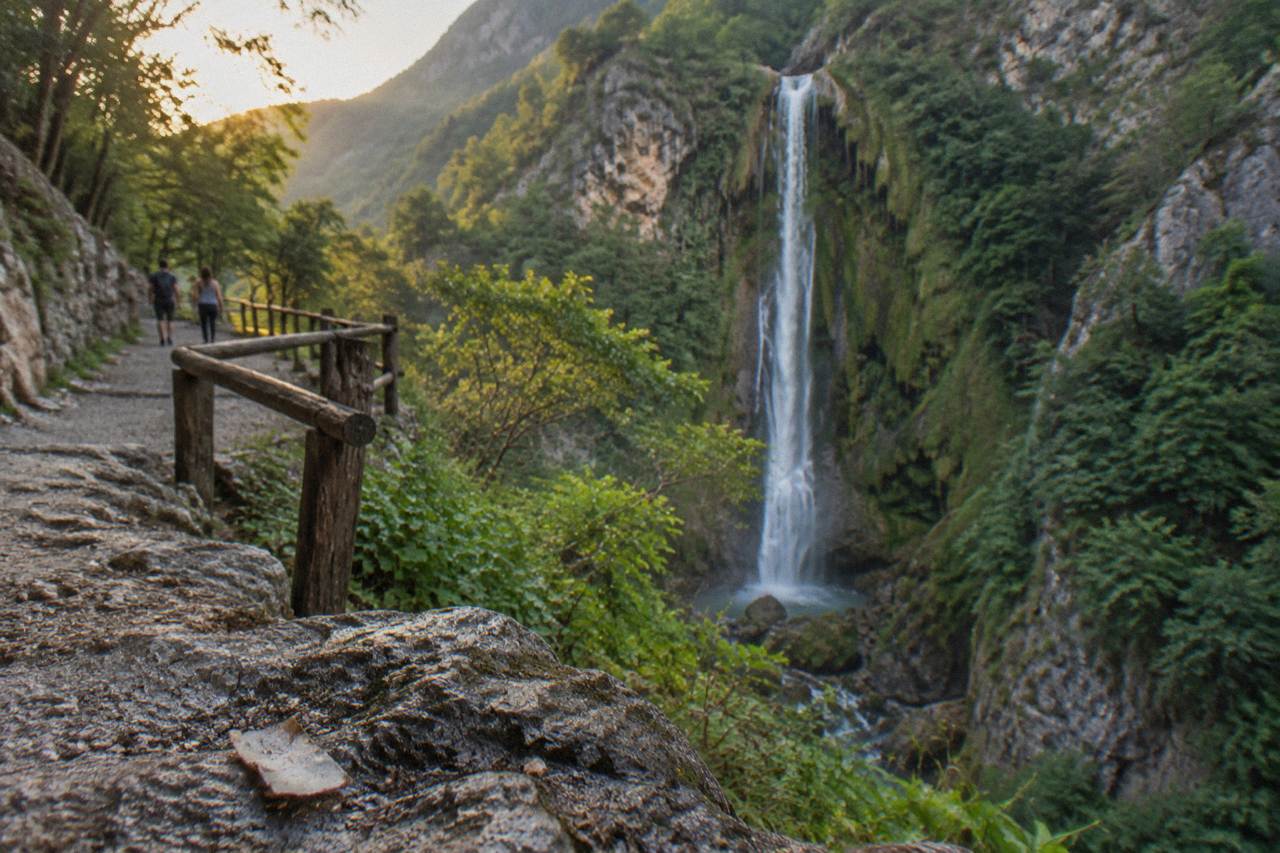
The essentials first. The park is open daily, adult entry is 50 MXN, children and seniors pay 30 MXN, and parking is 30 MXN, per the local reporting on 2026 park prices and hours. The waterfall itself drops about 25 meters off the Sierra wall. From Monterrey the drive is roughly 34 km along the Carretera Nacional, about half an hour in normal traffic.
Where Is Cola De Caballo And Why Do Canyoners End Up Here?
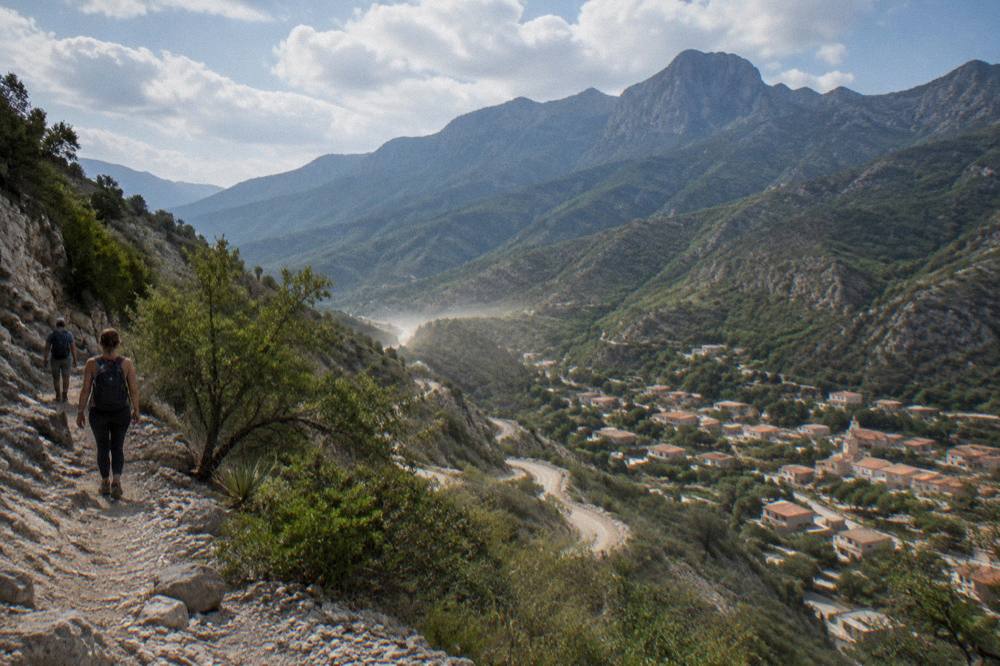
The waterfall sits inside Parque Ecoturístico Cola de Caballo near Santiago, reached by turning off the Carretera Nacional at El Cercado onto a dedicated road that reaches the park at about kilometer 6. Canyoners end up here because the same valley road continues toward Potrero Redondo, the village at the trailhead of the Matacanes route, so nearly every canyon trip in the Sierra passes within minutes of the gate.
That geography is the whole reason this guide exists. The Carretera Nacional corridor south of Monterrey strings together, in order, the town of Santiago, the turn to Cola de Caballo, the Presa La Boca reservoir, and the rough dirt track that climbs to Potrero Redondo. A visitor doing the Matacanes canyon by guided tour does none of that driving personally, since transport is included from the meeting point, but the meeting points cluster along this same stretch. The most-reviewed full-day listing, the Matacanes Full-Day Canyoning tour rated 4.9 across 1783 reviews, gathers its groups either at the Walmart Supercenter on Eugenio Garza Sada in Monterrey or in the Hotel Hacienda Cola de Caballo lot, and the hotel lot is barely ten minutes from the waterfall gate.
The hotel connection is worth underlining for trip planning. The Hotel Hacienda Cola de Caballo roundabout in Santiago is the assembly point for the small-group Matacanes tour from the Hacienda as well, and the nearby Matacanes From Santiago tour meets at the same spot. So the pattern repeats: one road, one cluster of departure points, one waterfall at the entrance to all of it. If you are staying in Santiago rather than commuting from Monterrey, you can walk or drive to the park on a free morning before or after your canyon date. To fill the rest of a low-cost day, browse the free activities around Santiago and Cola de Caballo for parks, viewpoints, and walks that cost nothing.
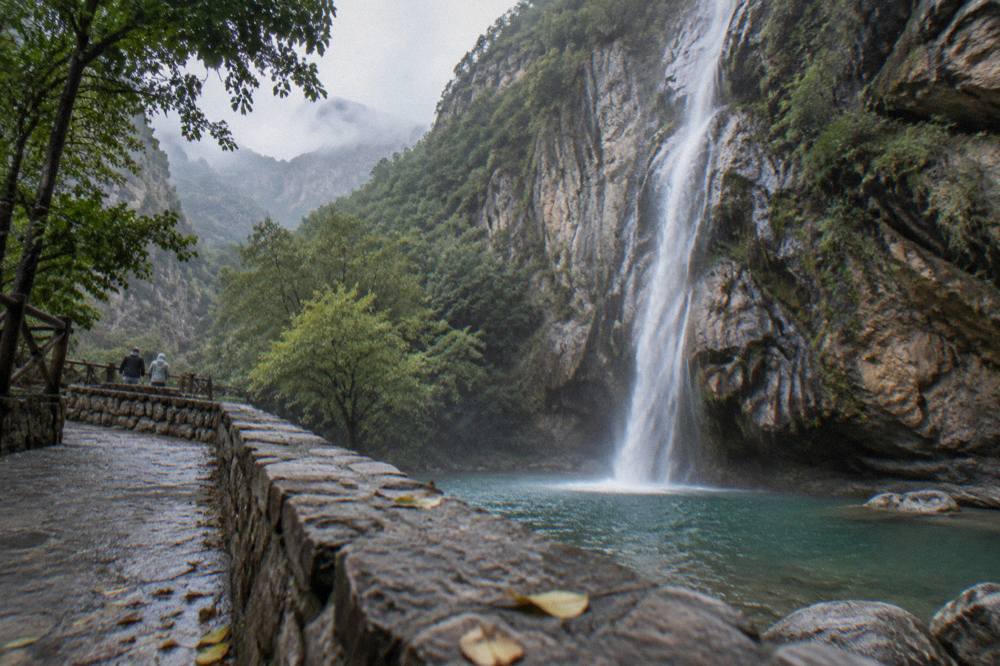
What the waterfall gives you that the canyon does not is access without effort or gear. The park has a developed trail to the base of the falls, food stalls, and a zip line, and you can visit it in sandals with a camera. The Matacanes route is the opposite: a full day, 8 to 10 hours per operator descriptions, with wetsuit, harness, helmet and life vest. Many travelers find the pairing works precisely because the two experiences sit at such different intensities. For a fuller comparison of the guided options, our guide to which Matacanes tour to book breaks down the listings side by side.
What Are The Entry Fees, Hours And Parking Costs?
Cola de Caballo opens every day from 9:00 to 18:00. Adult entry is 50 MXN, seniors and children pay 30 MXN, and parking inside the park is 30 MXN per vehicle. Those are the park's own figures; separate fees apply if you continue to the canyoning area, where the national park entry is 125 MXN per person per day and the Potrero Redondo ejido charges 60 MXN at the route entrance.
Two different fee systems operate in this valley and mixing them up causes real confusion at the gate. The Cola de Caballo ecotourism park is a private-ish local operation with its own simple tariff. The canyoning route upstream crosses national park and community land, and those charges are separate. The national park fee of 125 MXN per person per day is stated by the park authority itself on the official CONANP park page, with exemptions for older adults, pensioners, people with disabilities and children under 12 with ID. The community of Potrero Redondo charges 60 MXN per person for access to the Matacanes and Chipitin routes, paid in the village. The community has also publicly warned that outsiders near the route were charging 180 to 250 MXN under the label of an ejido fee, so paying the official 60 MXN in Potrero Redondo itself is the way to avoid that.
For the waterfall park alone, budget in pesos and bring cash. Card readers at rural gates in Nuevo León are unreliable, and the stalls along the entrance road, selling grilled meats and aguas frescas, are cash businesses too.
| Fee | Amount | Who pays | Where |
|---|---|---|---|
| Cola de Caballo adult entry | 50 MXN | Adults | Park gate |
| Cola de Caballo child / senior entry | 30 MXN | Children and seniors | Park gate |
| Cola de Caballo parking | 30 MXN | Per vehicle | Park lot |
| Cumbres de Monterrey national park entry | 125 MXN | Per person per day | On the canyoning route |
| Potrero Redondo ejido access | 60 MXN | Per person | Paid in Potrero Redondo |
One more caution on the road outside the park: some local landowners near the waterfall have charged 100 MXN per vehicle for informal parking, per an operator page in the area. The 30 MXN lot inside the park is the cheaper and clearer option.
How Do You Get To Cola De Caballo From Monterrey?
Driving takes about 30 minutes via the Carretera Nacional, roughly 34 km, turning at El Cercado onto the park road at about kilometer 6. Uber runs Monterrey to Santiago in 25 to 26 minutes at fares around 330 MXN. Public bus requires three lines, 001, 005 and 030, takes about 50 minutes to Santiago and costs roughly 48.80 MXN, then you need local transport to the park gate.
The car option is the straightforward one and the reason most waterfall visitors rent or drive. The route is a single highway south with one clear turn, and the park road from El Cercado is paved to the entrance. Ride-hailing works too, and Uber operates within Santiago for local hops, including to the waterfall, so a visitor without a car can get dropped at the park and app-hail onward if needed. Check the return situation before you rely on it, since the park is a low-density area where waits for a pickup can stretch.
Public transit reaches Santiago, not the waterfall. The three-line bus combination lands you in town, and from there it is still several kilometers to the park gate, so the bus is only sensible if you plan to combine it with a taxi or rideshare for the last leg. Our longer breakdown of routes, meeting points and drive times is in how to get from Monterrey to the canyon, which covers the same corridor in more detail.
| Option | Time from Monterrey | Cost | Notes |
|---|---|---|---|
| Own car via Carretera Nacional | About 30 min, 34 km | Fuel plus 30 MXN parking | Paved to the park gate |
| Uber / rideshare to Santiago | 25 to 26 min | Around 330 MXN standard fare | Local Uber also serves Santiago |
| Public bus (lines 001, 005, 030) | About 50 min to Santiago | Around 48.80 MXN | Reaches town, not the park |
| Tour transport | Included in tour price | Included | Group vans from listed meeting points |
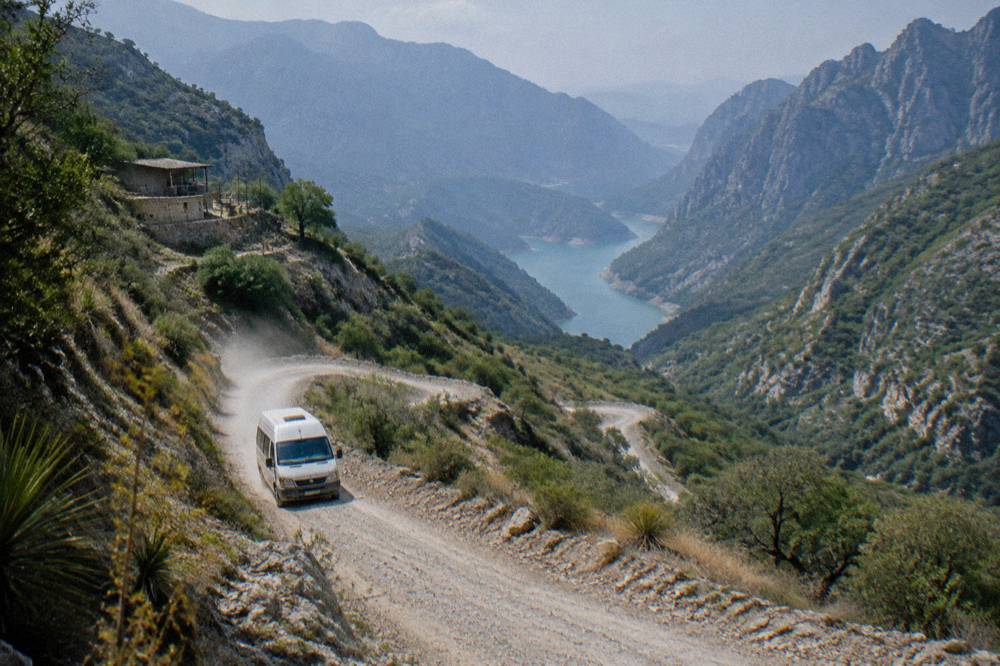
The last row is the one canyon-bound readers should weigh seriously. Every Matacanes listing on this site includes round-trip group transport from its stated meeting point, so if your day's main event is the canyon, you can reach the departure lot by any means above and let the tour handle the hard driving, the dirt track to Potrero Redondo included. Reaching the canyon trailheads from the Cola de Caballo area involves unpaved roads steep enough that operators use high-clearance vehicles for the descent and ascent.
Can You Visit The Waterfall And Do A Matacanes Tour On The Same Day?
Not comfortably, and not on the same morning. The Matacanes tours run 9 to 12 hours door to door with early departures, several from Monterrey before dawn, so a same-day waterfall visit only works as a short stop after the tour returns, or as a separate day entirely. The reliable plan is the waterfall on your arrival or rest day and the canyon on its own full day.
Look at the clocks. The Matacanes Full Day From Walmart Las Torres listing starts at 4:00 a.m. at its meeting point and runs about 12 hours. The other full-day options run 9 hours to about a full day. By the time a group is back at the Hotel Hacienda or the Walmart lot, the waterfall park has often an hour or less of daylight left in winter months. Forcing both into one day means racing a gate that closes at 18:00.
The better sequences:
- Waterfall first, canyon second. Arrive in the area, check into a cabin or hotel in Santiago, spend a relaxed afternoon at the falls, sleep early, then take the canyon tour the next morning from a nearby meeting point.
- Canyon first, waterfall after. Do the canyon day, stay a second night in Santiago, and visit the falls the following morning when your legs are recovering.
- Waterfall on the way home. If your tour returns to the Hacienda lot in Santiago with daylight to spare, the park gate is minutes away, but accept that this is a bonus, not a plan.
Which listing you choose shapes this decision. The pickup-included option makes the waterfall easiest to skip and the area easiest to leave, since you are collected in Monterrey or San Pedro. The Matacanes From Monterrey With Lunch tour, rated 5 across 2 reviews, picks up round trip from Downtown Monterrey and San Pedro Garza García, and lists prior rappelling experience and good fitness as requirements, so it suits visitors planning around one intense day. Its price is from $195 per person and it includes breakfast, a full local meal, gear, insurance, permits, photos and transport.
The small-group alternative from the Hotel Hacienda, the Matacanes Small Group tour from the Hacienda, runs about 9 hours with a group capped at 15, a minimum age of 12, and free cancellation, from $611 per person as shown on the listing. That listing pairs naturally with a Santiago base: you are already sleeping minutes from the departure roundabout, which frees the previous afternoon for the waterfall with zero extra driving. Our piece on the Matacanes day hour by hour shows where the hours actually go.
What Can You Do At The Park Besides The Waterfall?
Beyond the walking trail to the falls, the park offers a roughly 500-meter zip line, the IBO Roller, pitched at all ages and running year-round, plus food stalls and picnic areas along the entrance road. Nearby, within a short drive, are the Presa La Boca waterfront restaurants and the viewpoint pull-offs along the Carretera Nacional.
The zip line is the park's main add-on and a genuine option for families splitting up while one member rests. Operators of the area describe it as suitable for all ages across the whole year, which distinguishes it from the seasonal canyon trips upstream. The waterfall trail itself is short and manageable, the payoff being the 25-meter drop framed by the Sierra wall, usually at its most photogenic in the morning light.
Down the road toward Santiago, the Presa La Boca reservoir has its own low-key scene. Restaurants on the waterfront serve seafood and Mexican mains at the better-known spots, with cheaper taquería options alongside. The reservoir is also the region's water gauge in a literal sense: when rains push it over capacity, as happened with controlled releases, the whole Sierra river system is running high, and that is exactly the condition that pauses canyon trips. Our dedicated page on closures and water levels explains how the suspension system works.
For visitors whose appetite for adventure outgrows a boardwalk waterfall, the area offers a stepping stone between the two worlds. The Nido de los Aguiluchos via ferrata, rated 4.9 across 753 reviews, from $108 per person, is a 7-hour climbing-and-rappel day with a minimum age of 12 and a group cap of 15, meeting in the H‑E‑B Gonzalitos lot in Monterrey. It is not canyoning, it is via ferrata with ziplines and descents, but it previews the rope skills the canyon demands at a gentler price.
Where To Stay Near Cola De Caballo?
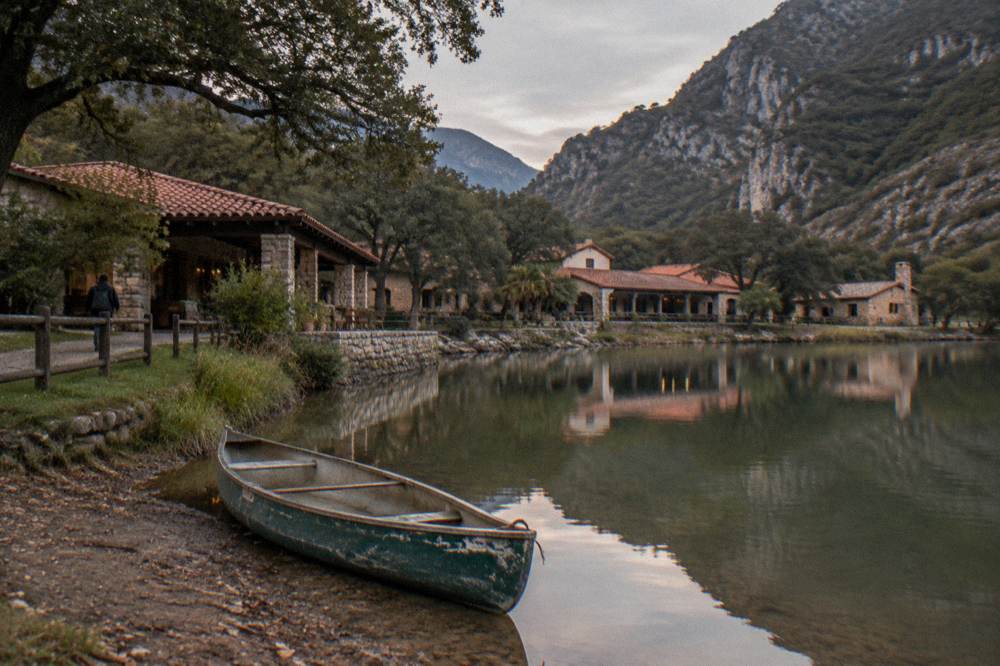
Santiago's short-term rental market runs about 480 active listings with an average nightly rate near 221 USD, and the local cabin stock clusters near the waterfall road: typical cabins for 2 to 4 people run 2000 to 3500 MXN per night, family cabins for 6 to 8 people 3500 to 6500 MXN, with named options like Cabañas La Nogalera from 2000 MXN and Cabaña Las Palmas at 2500 to 4000 MXN.
The cabin economy here exists partly because of trips like the one this guide describes. Visitors who book a canyon day and a waterfall afternoon almost always need a night in the valley, since tour departures are early and the drive back to Monterrey after 10 hours in water is unappealing. The mid-range cabins with kitchens and grills suit groups sharing the cost; the report on Santiago cabin prices lists family units at 3500 to 6500 MXN, and larger properties like Cabañas Cola de Caballo reaching 5000 to 8000 MXN per night for big groups.
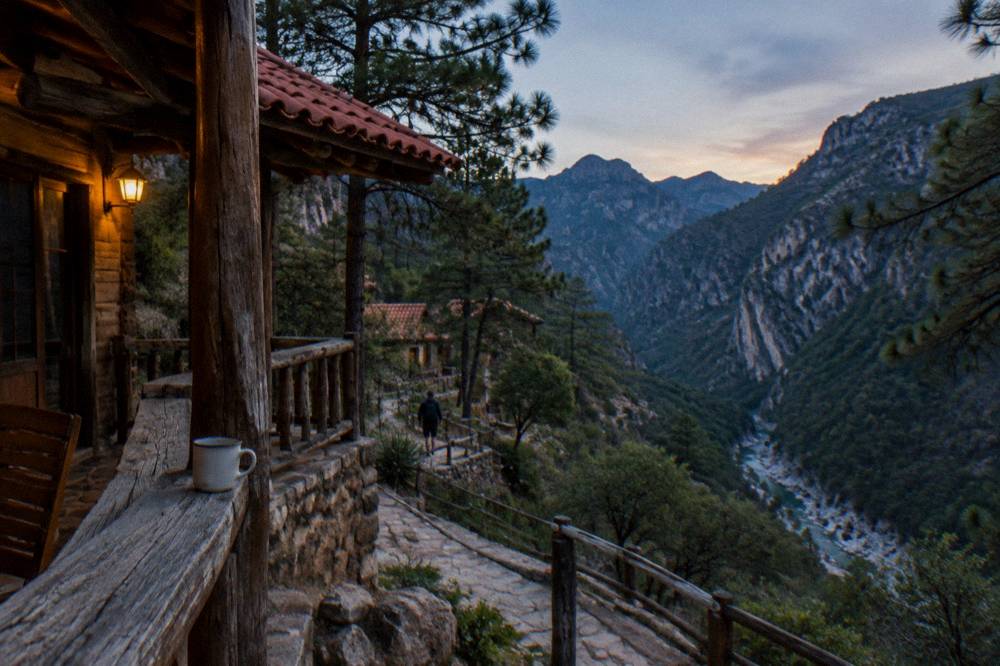
Location matters more than usual. A cabin near Cola de Caballo puts you minutes from the park gate and from the Hotel Hacienda meeting point used by two of the Matacanes listings, but note that listings without hotel pickup, which is most of them on this route, require you to reach the stated meeting point yourself. A cabin deep in the hills without a 4x4 can complicate an early departure, since the roads toward Potrero Redondo are unpaved and steep, so canyoners generally sleep on the paved side of Santiago and let the tour vehicles handle the rough climb.
| Property type | Typical nightly rate | Group size |
|---|---|---|
| Cabins for 2 to 4 people | 2000 to 3500 MXN | Couples, small groups |
| Cabañas La Nogalera | From 2000 MXN | 4 to 15 people |
| Cabaña Las Palmas | 2500 to 4000 MXN | Small families |
| Family cabins for 6 to 8 | 3500 to 6500 MXN | Larger groups |
| Cabañas Cola de Caballo | 5000 to 8000 MXN | Big groups, events |
Our fuller rundown of the area's lodging, including pet-friendly and pool options, is in where to stay in Santiago. Also worth knowing before you book an October weekend: the Cielo Mágico festival in Santiago, with hot-air balloons and concerts over three days in late October, fills the town's rooms and pushes rates up, so a canyon-and-waterfall plan that month deserves early booking.
When Is The Best Time To Visit The Waterfall And The Canyon?
The waterfall park is a year-round attraction open daily. The canyon upstream is not: operators describe a season running roughly from March 21 to about September 15, dependent on rains and hurricanes, and the local civil protection authority can suspend river and canyon activities at any time when levels rise, which is exactly what happened.
This is the one point where the two halves of your itinerary genuinely diverge. Cola de Caballo's trail stays open through rain seasons, and the falls can be at their most dramatic when the Sierra is wet. The Matacanes route is the opposite: its jumps, slides and rappels sit in a living river, so high water closes it. The current suspension by Protección Civil de Santiago halted canyon descents across the Sierra de Santiago, Matacanes named explicitly, with the restriction in force until a new official notice, and the authority warned that flash floods can hit the canyons even when it is not raining at the site itself.
Read that as the seasonal pattern it is rather than an alarm. Every year the tours pause when the river is high and resume when it settles, and the level is watched daily by the community at Potrero Redondo, the Las Adjuntas residents and state authorities. The practical rule for planning: treat March through mid-September as the canyon window, confirm your specific date with the operator and the booking page, and check the best time to do Matacanes guide for the month-by-month picture. Never assume a date will run; the operator and the authority are the deciding voices.
The waterfall fills the gap on suspended dates. If your canyon day is called for water levels, the park, the Presa La Boca restaurants and the viewpoints remain available, and operators refund or reschedule per their terms when they cancel for weather or group size. Note the differences in those terms across listings: several on this route carry free cancellation, while the most-reviewed full-day listing has no customer free-cancellation term and refunds only if the operator itself cancels.
What Does A Cola De Caballo Plus Matacanes Trip Budget Look Like?
The tour dominates the budget every time. Within the Matacanes day tours, prices run from $144 to $611 per person depending on the listing and its inclusions, while the waterfall park side of the trip costs 50 MXN entry plus 30 MXN parking, and a cabin night runs 2000 to 3500 MXN for a small unit shared by the group. Meals depend on which tour you pick, since some include a full meal and others do not.
The swing factor is always the tour, not the park. The from-$144 full-day listing skips lunch and is rated 4.2 across 5 reviews; the from-$158 full-day option, rated 4.9 across 1783 reviews, includes breakfast, snacks, all gear, transport from the meeting point and tour pictures, with a group cap of 25; and the premium small-group option at from $611 trades price for a 15-person cap with a minimum age of 12. The waterfall park, by contrast, costs less than a good dinner for two. Here is how the pieces of a two-day plan stack up.
| Item | Low plan | High plan |
|---|---|---|
| Canyon tour | From $144 (full day from Walmart Las Torres) | From $611 (small group from the Hacienda) |
| Waterfall entry | 50 MXN | 50 MXN |
| Parking | 30 MXN per vehicle | 30 MXN per vehicle |
| Cabin, one night | 2000 to 3500 MXN (unit for 2 to 4) | 3500 to 6500 MXN (family unit for 6 to 8) |
| Meals beyond tour inclusions | Depends on the listing: breakfast and snacks are included on several, a full meal on the from-$195 and from-$247 tours | Same, plus whatever the group adds in Santiago |
The cheap plan works, but read what it gives up. The from-$144 listing lists the meal as not included, while the from-$158 option includes breakfast, snacks and tour pictures on top of gear and transport. For most visitors the difference of $14 buys a lot of inclusion, which is why it anchors our comparisons. Meal-inclusive options like the from-$195 Monterrey pickup tour and the from-$247 Santiago regional-meal tour sit between the poles; the latter is a new listing with no reviews yet and a Spanish-language guide. Gear, guide, insurance and permit line items are laid out entry by entry in what the tour cost includes.

One budget note on fees inside tour prices: several listings fold the park permits into the tour price, and one states the CONANP permit and ejido access explicitly in its inclusions. Where a listing does not mention them, ask the operator whether the 125 MXN and 60 MXN charges are covered before you count them into your cash plan.
Common Questions About Cola De Caballo Waterfall
Where Is Cola De Caballo Waterfall?
In Santiago, about 34 km south of Monterrey via the Carretera Nacional. You turn at El Cercado onto the dedicated park road, which reaches the entrance at about kilometer 6. The drive takes around 30 minutes from Monterrey in normal traffic.
How Much Does Cola De Caballo Cost?
Adult entry is 50 MXN, seniors and children pay 30 MXN, and parking is 30 MXN per vehicle. Those separate from the canyoning fees upstream: 125 MXN national park entry per person per day and 60 MXN ejido access paid in Potrero Redondo.
What Are The Cola De Caballo Hours?
The park opens daily from 9:00 to 18:00, with some local reporting also citing a 17:00 close, so treat an early-evening arrival as a risk and confirm before a late visit.
Can You Do Cola De Caballo And Matacanes In One Day?
Not comfortably. The canyon tours run 9 to 12 hours with departures as early as 4:00 a.m., so the reliable plan is the waterfall on a separate day, before or after the canyon trip. A short post-tour stop is possible only if you return with daylight to spare.
Is Cola De Caballo Worth Visiting?
As an easy half-day sight, yes: a 25-meter waterfall, a short walk-in trail, food stalls and a year-round zip line, all for 50 MXN entry. It is not a substitute for the canyon, it is the relaxed companion piece to it.
Do Any Tours Meet Near The Waterfall?
Yes. The Matacanes full-day tour meets at the Hotel Hacienda Cola de Caballo lot in Santiago, and the small-group and Santiago-based tours leave from the Hacienda roundabout, all within minutes of the park gate.
When Is The Canyon Season?
Operators describe a season from about March 21 to September 15, depending on rains, and the local authority can suspend canyon activities at any time when river levels rise. Check with your operator and the booking page for your specific date.