Best Time To Do Matacanes: The March To September Season
Matacanes runs on a seasonal clock set by rain, river level and the hurricane calendar, not by a fixed opening date. Operators describe a season from about March 21 to about September 15, and the local authority can suspend canyon descents at any moment when the water rises. Choosing the right month is the single biggest planning decision for this trip.
Short answer
The best time to do Matacanes is between late March and mid-September, when operators run the canyon. May and June typically combine warm weather with manageable water levels before the heaviest rains arrive. Protección Civil de Santiago suspended canyon activities after river levels rose, which is the seasonal pattern, not a permanent closure. The operator and the booking page confirm whether a date runs.
Matacanes is not a year-round canyon. The route sits in the Sierra de Santiago, inside Parque Nacional Cumbres de Monterrey, and its water comes straight off the mountains above Potrero Redondo. Operators describe a season that starts about March 21 and ends about September 15, with the exact dates moving each year depending on rains and hurricanes. Outside that window the water is too cold, too high, or both, and the commercial trips simply do not run.
This matters more here than on most adventure tours, because the local civil protection authority watches river levels daily and can suspend canyon descents with no notice at all. That is exactly what happened, when Protección Civil de Santiago suspended river, canyon and rugged-terrain activities across the Sierra de Santiago after river levels rose, keeping the suspension in force until a new official notice. Seasoned visitors treat this as the normal rhythm of the place rather than an emergency. This guide walks through the months one by one so you can pick a date with your eyes open.
What Is The Best Time To Do Matacanes?
The best window for a Matacanes canyoning tour is late March through mid-September, and within that span the sweet spot for most visitors is May into early June, when the weather is warm, the water level is usually moderate, and the big September rains have not yet arrived. Tours pause when the river runs high, and the operator confirms final dates the day before.
The reasoning is practical. The canyon day is long, 8 to 10 hours by operator descriptions, with most of that time spent in water that runs cold even in summer. Cooler months make the swimming sections punishing and the operators do not schedule around them. The hottest months make the cold water a feature rather than a burden, which is why July and August remain fully operational even though they carry more weather risk. Since the day runs long regardless of season, a breakdown of exactly how the hours split is covered in how long the full Matacanes tour actually takes.
May and June earn the recommendation on two grounds. First, the season is mature: guides have been running the route for weeks, equipment logistics are settled, and the water level has typically dropped from the spring peak without disappearing. Second, the hurricane season in this part of Mexico builds through late summer and peaks around September, so an early-season date carries less chance of a last-minute suspension for high water. Nothing here is a promise, river levels are watched daily, but the odds tilt that way.
The trade-off to know about: mid-summer dates have the warmest air and the most reliable trip operation, and they also sit inside the rainy months when afternoon storms and sudden crecencias, flash rises in the river, are possible. A detailed season-by-season breakdown follows, and the Matacanes tour comparison guide covers which listing suits which month best.
When Does The Matacanes Season Start And End?
Operators describe the Matacanes season as running from about March 21 to about September 15, dates that shift with rains and hurricanes rather than a fixed calendar. The river level is monitored daily by Potrero Redondo residents, Las Adjuntas and state authorities, and the season can be shortened at either end by weather.
The March 21 start is not ceremonial. It tracks the end of the coldest water in the Sierra, when canyon pools drop out of the range where a full wetsuit stops being enough. Guides and operators frame the closing date the same way: about September 15, when late-season rains and the tail of hurricane activity raise the river and the risk of flash floods together. The operator GEO Aventura states the season plainly on its own Matacanes page, and other operators in the valley run to a similar clock.
Here is the month-by-month picture in table form, built from the operator season statement and the suspension record. Treat the shoulder months as genuinely uncertain, they are the ones that move most.
| Month | Season status | What to expect |
|---|---|---|
| January to mid-March | Closed | Cold water, high winter flows, no commercial trips |
| Late March | Opening weeks | Season begins around March 21, chilly water, small groups |
| April | Fully open | Moderate levels, warming air, reliable departures |
| May | Fully open | Often the best balance of warmth and water level |
| June | Fully open | Warm weather, afternoon storm chance rising |
| July | Fully open | Hot air, cold water welcome, rain possible |
| August | Fully open | Peak warmth, higher flash-flood watch, runs continue |
| Early September | Final weeks | Season closes about September 15, high rain risk |
| Mid-September to December | Closed | Hurricane tail, high rivers, winter cold |
Within that window, three listings cover most visitors' needs. The most reviewed full-day trip, rated 4.9 across 1783 reviews from $158 per person, runs from meeting points at Walmart Supercenter Eugenio Garza Sada or the Hotel Hacienda Cola de Caballo lot. A small-group version capped at 15 people with a minimum age of 12 runs from the Hotel Hacienda Cola de Caballo roundabout in Santiago. And a budget option from $144 per person meets outside Walmart Las Torres with a 4:00 a.m. start.
One more planning note: the transport question changes with the season. Early and late dates mean cool pre-dawn starts at mountain trailheads, so many visitors prefer a listing with pickup built in over meeting at a parking lot. The Matacanes trip with lunch from Monterrey includes round-trip transport from Downtown Monterrey and San Pedro Garza García, a full local meal, and accident insurance, from $195 per person with free cancellation, though the listing asks for prior rappelling experience and good fitness.
How Do River Levels And Rain Affect Tour Dates?
River level is the single factor that decides whether a Matacanes date runs. Protección Civil de Santiago watches the water and can suspend canyon descents at any time, including days when it is not raining at the canyon itself, because rain in the upper Sierra can send sudden flash floods downstream with little warning.
This is the part of the season most first-time visitors underestimate. The recent suspension came after river levels rose across the Sierra de Santiago, and the authority warned that flash floods can hit the canyons even when local conditions look favorable. A clear blue sky over the trailhead means nothing if a storm has fallen on the upper watershed hours earlier. That is why daily monitoring exists and why operators cancel dates they judged fine the evening before.
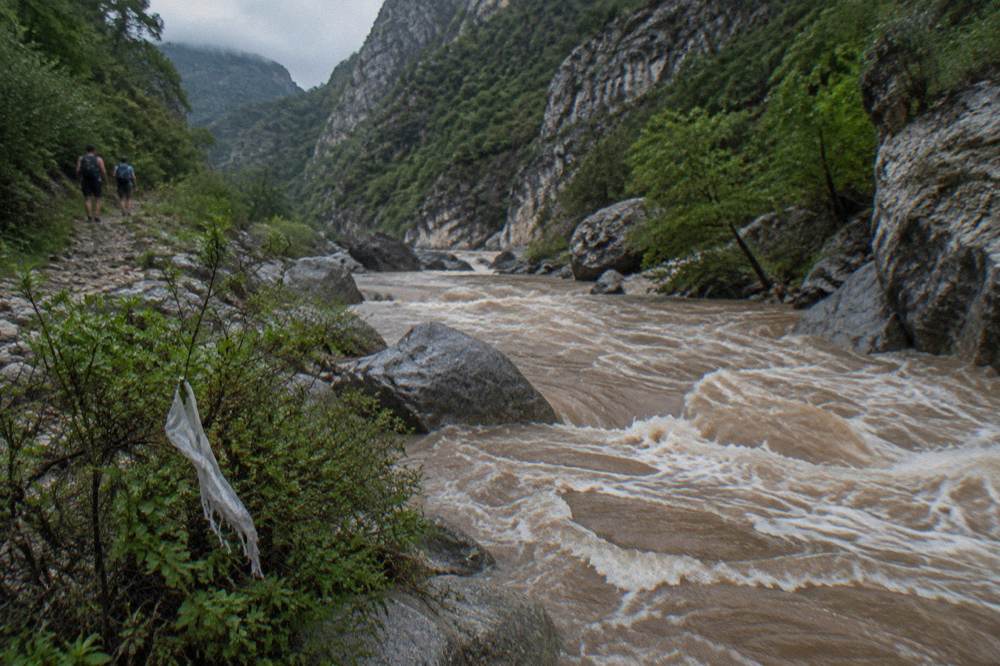
For you as a planner, three practical consequences follow. Book a date, but hold it loosely: the operator has the final word on the morning. Prefer listings with a clear cancellation path, some offer free cancellation while others refund only when the operator cancels for weather or minimum group size. And build a spare day into your trip so a washed-out Saturday becomes a Sunday instead of a lost canyon day.
The booking page and the operator are the authority on whether any specific date runs. Never read a seasonal guide, this one included, as a promise that a chosen day will go ahead. Weather and river conditions vary, and the honest answer is always the one you get from the operator the day before.
What About Hurricane Season In Nuevo León?
The Atlantic and Eastern Pacific hurricane season runs from June through November, and its influence reaches the Sierra de Santiago mostly in late August and September, exactly the weeks when the Matacanes season winds down. Early-season dates in May and June sit mostly outside the heaviest rain risk, which is why guides lean that way.
Hurricanes rarely hit the Monterrey area directly, but their remnant rain is a different story. A Pacific storm coming ashore hundreds of kilometers away can still dump days of rain over the Sierra, and that rain arrives in Matacanes as a rising river. The September 15 season end that operators describe is calibrated to exactly this pattern, the point where late-summer systems make canyon water unpredictable enough that commercial trips stop.
If your travel dates only allow August or early September, the trip can still work and people do book it. Adjust expectations: build a backup day, choose a listing with a customer free-cancellation term, and check in with the operator a few days ahead rather than the night before. The closures and water levels guide goes deeper on how flash floods behave in this watershed and what the authorities do about them.
| Period | Hurricane influence | Practical risk for a booked date |
|---|---|---|
| March to May | Minimal | Suspension risk mainly from late cold fronts |
| June | Low but building | Occasional heavy rain, trips usually run |
| July | Moderate | Afternoon storms, some date changes |
| August | Higher | Remnant systems can raise rivers for days |
| Early September | Highest | Season closes about September 15 for this reason |
| October onward | Outside season | No commercial canyon dates scheduled |
One way to hedge a rainy-season trip: pair the canyon with a weather-independent adventure nearby. The Nido de los Aguiluchos via ferrata, rated 4.9 across 753 reviews from $108 per person, runs about 7 hours with climbing equipment, guides and transport from an H‑E‑B parking lot in Monterrey, minimum age 12. It is not canyoning, it is climbing routes, rappels and zip lines on rock, and a group max of 15 keeps it personal.
Which Months Have The Best Water And Weather?
May and June usually offer the best combination for Matacanes: warm air, water levels that have settled after spring, and a lower chance of the big rain events that suspend trips. April runs close behind with cooler water, while July and August trade weather risk for the warmest days of the year.
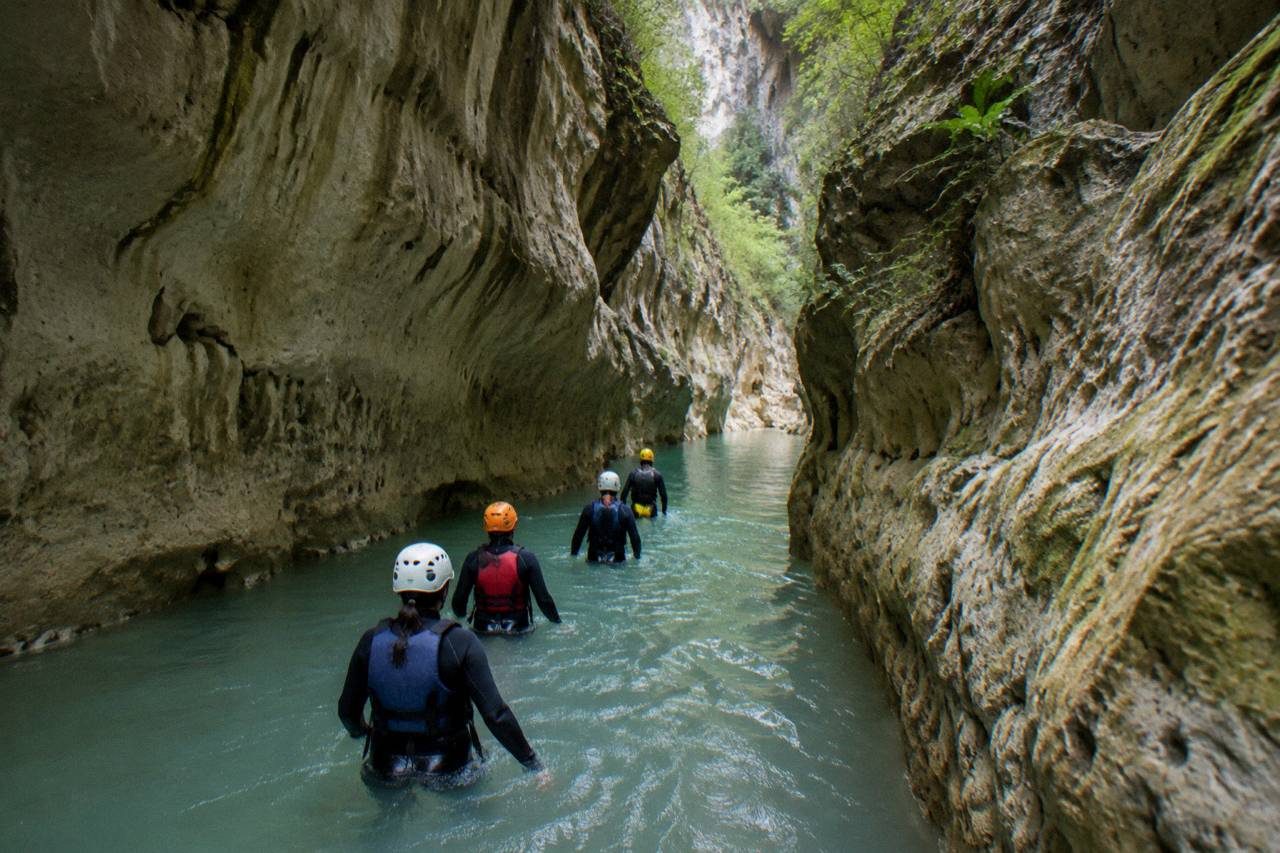
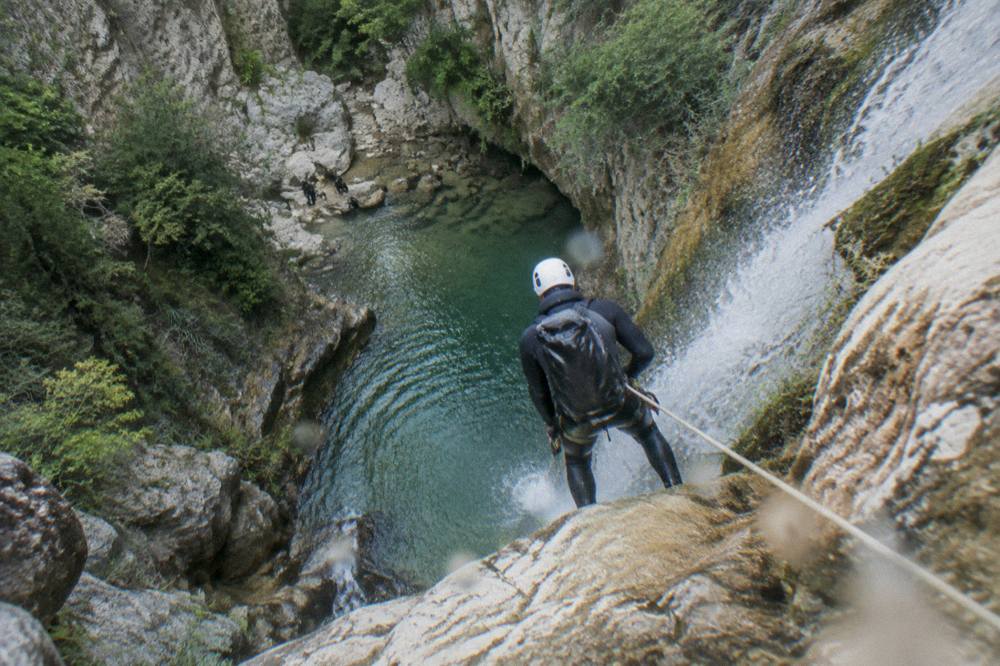
The route itself is the reason weather matters so much. Operators describe a day of water jumps, swimming, rappels, natural slides and a 12 m single drop, with 70 percent or more of the time spent in the water. Cold air makes those sections short and miserable; warm air makes them the whole point of the trip. That flips the usual logic of mountain travel: for Matacanes, hotter months are better months, provided the river cooperates.
Water volume tells a similar story. Spring snowmelt is not a factor this far south, but the winter and early-spring rains leave the canyon fuller in April than in June. More water means more exciting jumps and faster slides, and it also means stronger currents in the swimming sections. Visitors who want the gentler version of the route lean toward late May and June; visitors chasing the full-power canyon lean earlier. Both are legitimate choices, and the how hard is Matacanes guide breaks down the fitness and swimming side of that decision.
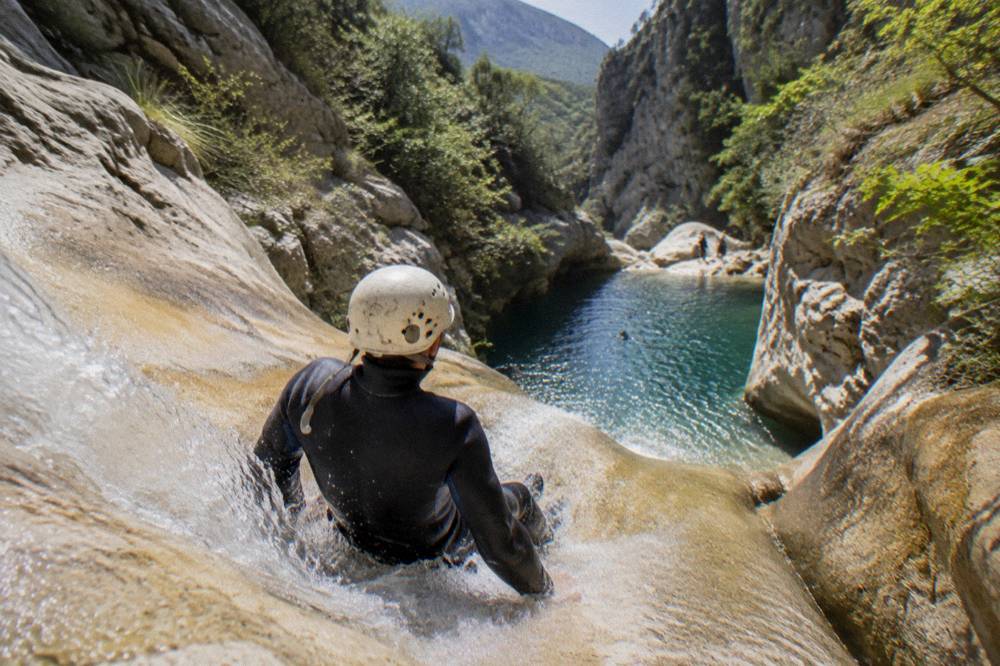

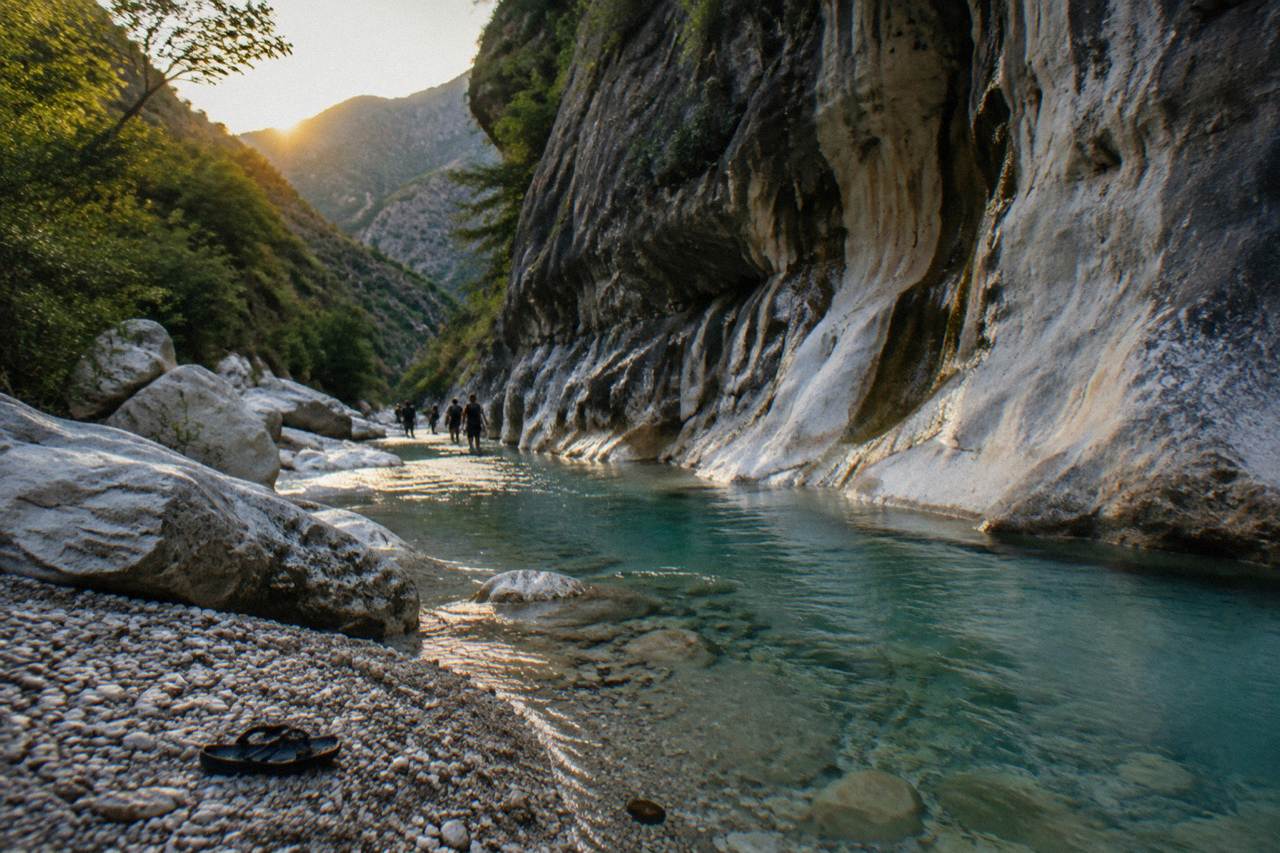
A small but real factor for photographers: spring water in the Sierra often runs clearer than late-summer water, which carries more sediment after heavy rain. If pictures from the trip matter to you, and several listings include a photo service, an April to June date gives you the best light and the clearest pools.
How Cold Is The Water In Matacanes?
Operators describe Matacanes water as cold year-round, with tour descriptions citing water temperatures around 12 to 18°C, which is why every listing includes a full-length wetsuit in the gear. Summer air temperatures make that cold water refreshing rather than brutal, and that contrast is a main reason the season is placed where it is.
The wetsuit is not optional comfort, it is standard equipment. Every Matacanes listing on the roster includes one: the most reviewed full-day trip provides wetsuit, harness, helmet, life vest, breakfast, snacks, group transport and tour pictures from $158 per person. The listing from Monterrey with lunch goes further, adding a headlight, accident insurance, park permits and a full local meal, from $195 per person. In the canyon, the wetsuit is what lets you spend hours in the water rather than minutes.
| Factor | Spring, April to May | Early summer, June | High summer, July to August |
|---|---|---|---|
| Water temperature | Coldest of the season | Moderate | Most comfortable relative to air |
| Water level | Usually fuller | Settling | Variable with rain |
| Air temperature | Mild to warm | Warm to hot | Hottest |
| Suspension risk | Low to moderate | Moderate | Higher with storms |
| Who it suits | Visitors wanting fuller water | The balanced choice | Heat lovers and confident swimmers |
If you run cold, plan around it. Choose a mid-summer date, eat the breakfast provided at the meeting point, and check whether your listing includes snacks, most do. The what to bring and wear guide covers the rest of the kit list, from water shoes to a dry change of clothes for the ride home.
What If A Tour Date Is Suspended Or Cancelled?
If river levels suspend your Matacanes date, the outcome depends on the listing you booked: tours with a free-cancellation term let you cancel or rebook, while others refund only when the operator itself cancels for weather or minimum group size. The operator and the booking page are the authority, and suspensions lift as river levels drop.
Read the cancellation line before you book, not after. On this site's roster, the small-group Matacanes listing from $611 per person, the Monterrey trip with lunch from $195, and the budget full day from $144 all carry a customer free-cancellation term. The most reviewed full-day listing from $158 does not: its terms refund only when the operator cancels for weather or minimum group size. That is a real difference when the Sierra decides to rain, and it is worth knowing which side of the line your money sits on.
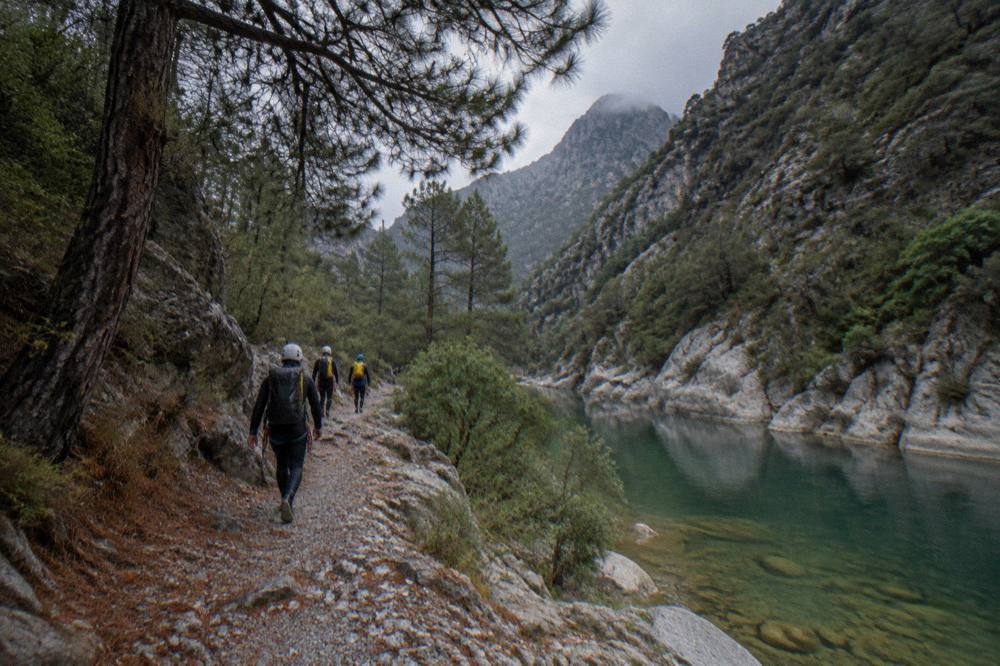
If a date falls through, you have options in the same valley. A regional-meal Matacanes departure from Santiago runs about 9 hours from $247 per person with free cancellation, an accredited guide under the NOM-09 standard, accident insurance, the CONANP permit and ejido access, 4WD transport to the canyon, and a regional meal at the end. It is a Spanish-language guided trip per the listing, and it has no reviews yet, so bring that expectation rather than a rating.
Suspensions are usually measured in days, not seasons. The monitoring that closes the canyon also reopens it: residents of Potrero Redondo, Las Adjuntas and state authorities check the river daily, and trips resume once levels fall. Travelers with a flexible window often rebook within the same week. Again, the operator's live listing shows which dates are actually accepting bookings.
How Should You Pick Your Date Before Booking?
Pick your Matacanes date in three steps: target May or June for the best balance, verify with the operator that your week sits inside the running season, and book a listing whose cancellation terms match your flexibility. Then add a backup day so weather costs you a morning, not the trip.
Booking order matters more than most people think. Confirm the season window for your month first, because nothing else survives a washed-out date. Then choose the listing, where the real differences are group size, meeting point, meal and transport. The full day versus extended programs guide compares the formats, and Matacanes Canyoning keeps the current listings side by side on the homepage comparison.
| Your situation | Best month | Listing to lean toward |
|---|---|---|
| First canyoning trip | May or June | Full day from $158, most reviewed, 4.9 across 1783 reviews |
| Want a small group | April to June | Small group from $611, max 15, minimum age 12 |
| Tight budget | Any running month | Full day from $144, meets Walmart Las Torres, 4:00 a.m. |
| Hate cold water | July or August | Trip with lunch from $195, pickup in Monterrey included |
| Spanish-speaking group | May to June | Regional meal trip from $247, Spanish-language guide |
| Weather backup plan | Any month | Via ferrata from $108, not water-dependent |
A final word on timing honesty. Every date suggestion above is a probability, not a promise. The season moves, the river moves faster, and the authority that watches it can close the canyon on any given morning. The visitors who have the best Matacanes trips are the ones who picked a good month, booked terms that bend, and kept one spare day in their pocket. The three listings below cover the full range of dates, budgets and group sizes for the coming season.
Common Questions About The Best Time To Do Matacanes
What is the best time to do Matacanes?
Late March through mid-September is the operating season, and May into early June is usually the sweet spot: warm air, moderate water levels and less rain risk than late summer. Operators confirm whether specific dates run.
When does the Matacanes season start and end?
Operators describe the season as running from about March 21 to about September 15 each year, with the exact dates shifting according to rains and hurricanes. Outside that window, commercial canyon trips do not run.
Is Matacanes open in October?
Normally no. October sits past the operator season end of about September 15, and Protección Civil de Santiago suspended canyon activities in the Sierra de Santiago after river levels rose, until a new official notice. Check the operator's live listing for current dates.
Can tours be cancelled for rain even in summer?
Yes. River levels are watched daily, and the authority warns that flash floods can reach the canyon even when it is not raining on site, because rain in the upper Sierra sends water downstream. Operators cancel or reschedule when levels are high.
How cold is the water in Matacanes?
Tour descriptions cite water temperatures around 12 to 18°C, cold enough that every listing includes a full-length wetsuit. Mid-summer air temperatures make the water feel refreshing rather than punishing.
Do I get a refund if weather cancels my tour?
It depends on the listing. Some tours carry a customer free-cancellation term, while others refund only when the operator cancels for weather or minimum group size. Read the cancellation terms on the booking page before you pay.