Is Matacanes Safe? Guides, Life Jackets And Rescue Record
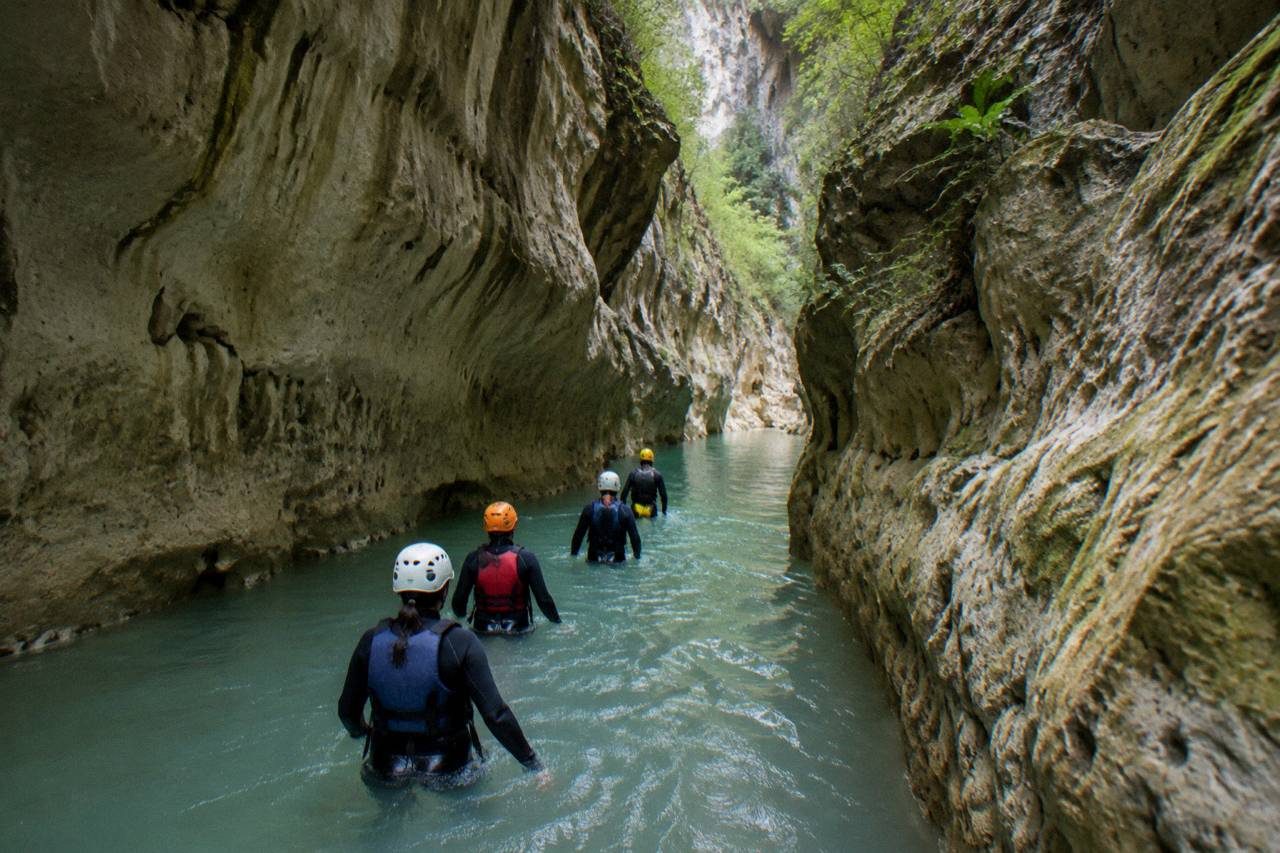
Matacanes is a technical water canyon, and the honest answer on safety is that the risk sits almost entirely on three things: a certified guide, the mandatory flotation and helmet, and respecting the river-level calls that local authorities make.
Short answer
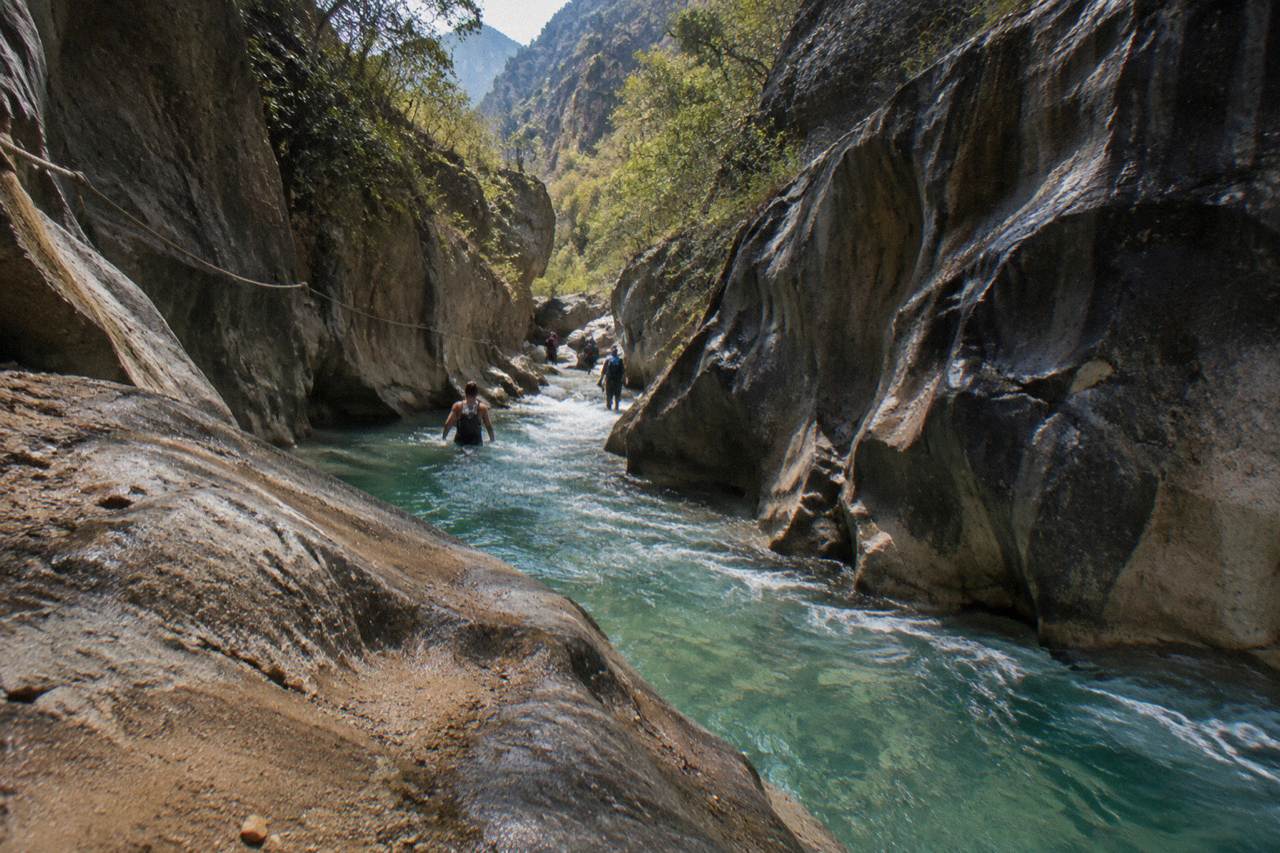
Guided Matacanes tours are run with certified guides, mandatory life jackets, helmets, harnesses and wetsuits, and a daily river-level check by local residents and authorities. Rescues do happen in the Sierra de Santiago, and operators describe unguided attempts as high risk. Operators describe the tour as intermediate level, minimum age 12.
The honest answer to whether Matacanes is safe has two halves. With a certified guide, a life jacket, a helmet and a harness, the canyon is run hundreds of times a season by ordinary travelers in reasonable shape, and the operators that run it describe it as intermediate level rather than extreme. Without a guide, the same canyon has produced rescues in the Sierra de Santiago, because cold water, hydraulics, and a river level that can change upstream even when the sun is out at the trailhead will punish improvisation. This guide lays out the rules, the gear, the fitness reality and the rescue record in plain terms, so the cautious reader can make a real decision rather than a hopeful one.
Is Canyoning Dangerous In General?
Canyoning carries real risks, and they are specific: drowning in moving water, impact on rock, hypothermia in cold water, and getting stuck on terrain that requires rope work to leave. The activity manages each of these with the same three controls: a guide who reads the water, mandatory flotation and helmet, and descents on rope rather than on hope. Managed this way, operators describe it as intermediate adventure, not extreme sport.
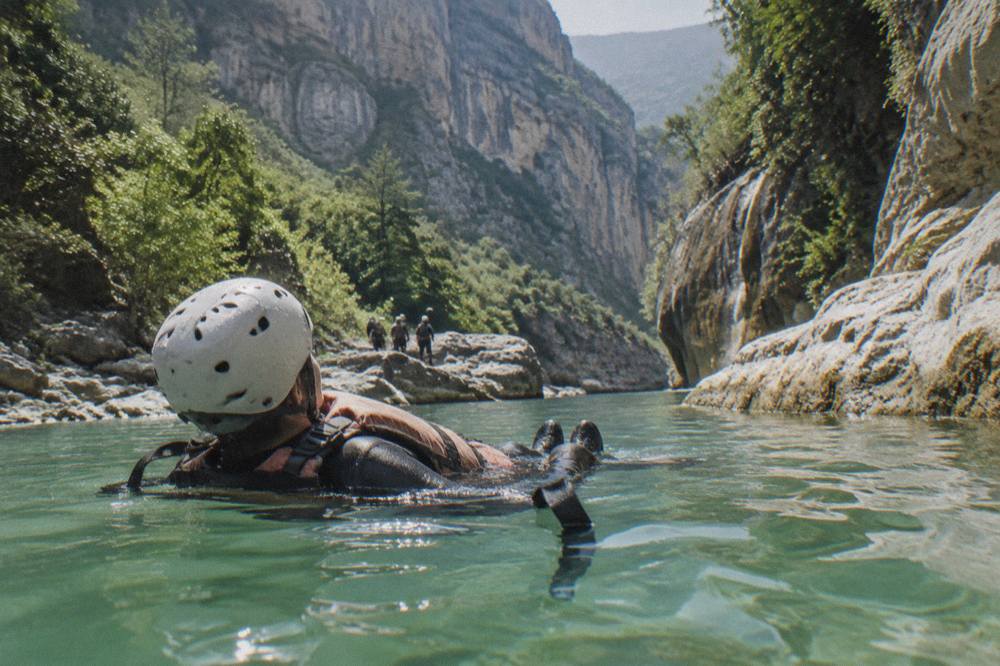
Every one of those risks has a counterpart in the Matacanes route. The canyon involves water jumps, swimming sections, rappels and natural slides, with a 12 m single drop as the operator describes the route. Tours spend a large share of the day in the water, and the water is cold: operators describe canyon water in the 12 to 18 °C range. Cold water saps a swimmer fast, which is precisely why the canyoning life jacket is not optional garnish but the core piece of safety equipment on the trip.
The deeper question readers usually have is whether the danger is random or manageable. It is mostly manageable. The hazards in a canyon are fixed and known: the jumps have established entry points, the rappels are rigged by the guides, and the water level is checked daily. What turns a canyon dangerous is removing the systems, going alone, skipping the life jacket where nobody enforces it, or entering the water after rain upstream has raised the level. That last one is exactly why the local authority suspends canyon activity in the Sierra de Santiago when river levels rise, a system we cover in detail below.
For a broader look at what the activity actually involves, see what canyoning is and how it works, and for the debate about labels, whether canyoning counts as an extreme sport.
What Safety Rules Apply On A Matacanes Tour?
The rules that matter on a guided Matacanes day are: a certified guide leads every group; life jacket, helmet, harness and wetsuit are supplied and worn throughout; the route runs only when the river level is judged safe, checked daily by Potrero Redondo residents, Las Adjuntas and state authorities; and Protección Civil de Santiago can suspend all canyon activity in the sierra until further notice when levels rise. None of these are negotiable on a commercial tour.
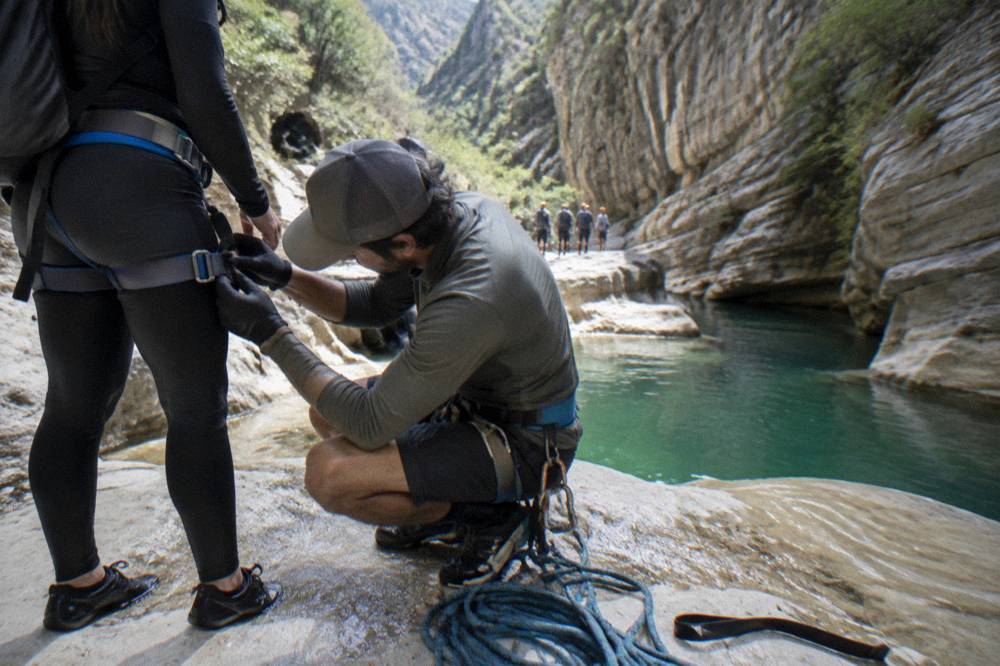
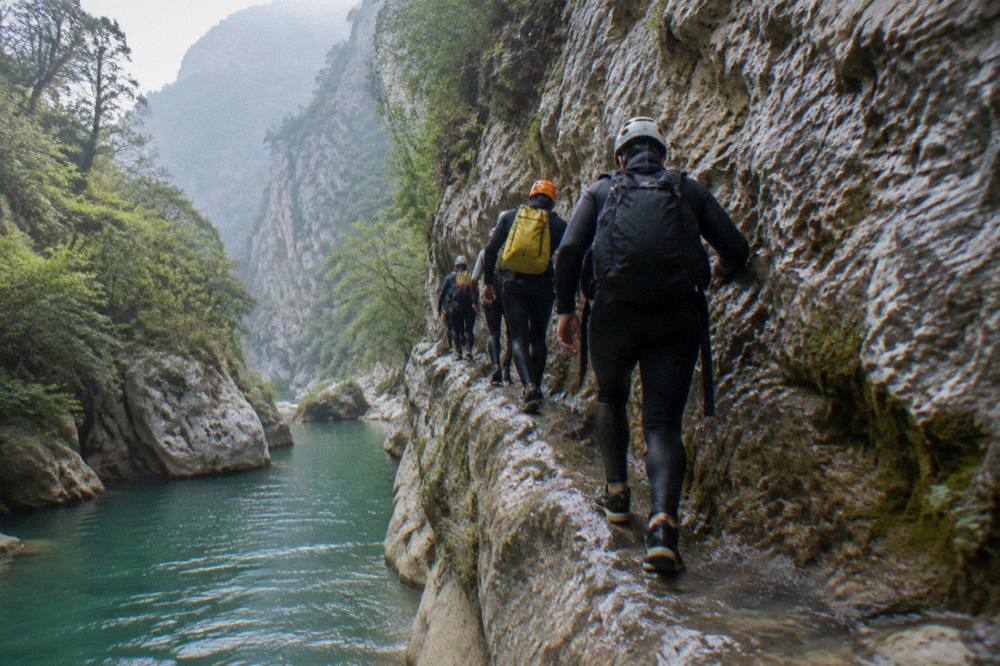
The equipment requirement is total. Operators supply and require the canyoning life jacket and helmet for the whole tour, including rappels, jumps and swims, and a harness with a descent system for the roped sections. The Gaia full-day listing, the most reviewed Matacanes tour at 4.9 across 1,783 reviews, includes wetsuit, harness, helmet, life vest and certified guides in its price from $158 per person. The Camaleon small-group listing, 4.9 across 27 reviews from $611, includes the same core kit. You do not bring your own rope or rig anything yourself; the guide does the ropework.
The river-level rule sits above everything else. Operators describe a season that starts around March 21 and ends around September 15, depending on rains and hurricanes, and stress that the level is watched daily and a suspension can be issued at any time. Protección Civil de Santiago suspended river, canyon and rugged-terrain activities in the Sierra de Santiago after river levels rose, holding the suspension until a new official notice. The authority also warns that rain in the upper sierra can send sudden floods down canyons even when it is not raining at the site. Treat this as the seasonal pattern it is, and treat the operator and the booking page as the authority on whether your date runs.
One more rule worth naming: medical disclosure. Operators ask participants to report heart or lung conditions, recent surgeries or fractures, spinal problems, epilepsy or significant overweight before the day, and they can decline a booking on that basis. This is not paperwork theater; the tour spends most of the day in cold, moving water.
The four controls stack on top of each other, and each one removes a specific class of accident.
| Canyon hazard | The control that answers it | Who supplies it |
|---|---|---|
| Drowning in moving water | Canyoning life vest, worn throughout | Operator, mandatory |
| Rock impact on jumps and slides | Helmet, established jump entry points | Operator, mandatory |
| Cold water (12 to 18 °C) | Full-length wetsuit | Operator, mandatory |
| Falls on roped drops, including the 12 m drop | Harness with descent system, guide-rigged ropes | Operator, guide-rigged |
| Flash flood from rain upstream | Daily river-level check, authority suspensions | Residents, Las Adjuntas, state authorities, Protección Civil |
Do You Need To Be A Strong Swimmer?
Swimming ability is helpful but not essential, because the specialized canyoning life jacket provides the buoyancy that keeps you on the surface. What is essential is the ability to jump into water, since several drops are entered by jumping away from the rock, and enough fitness to spend a full day moving through water, rock and cold. Operators describe the required condition as regular or moderate to good.
The distinction matters because people wrongly self-select out. A nervous swimmer in a proper canyoning vest floats; what they cannot avoid is the jump, the cold, and hours of physical effort. Tours run 8 to 10 hours, and operators put most of that time in or beside the water. If you cannot bring yourself to leap off a ledge into a pool, the canyon will eventually ask you to, and that is the real threshold, not lane-swimming speed.
The full picture on fitness, health disclosures and what the operator expects physically is in our fitness and swimming requirements guide, which pairs with the age question covered in Matacanes age limits and family trips, where the minimum age of 12 on the Camaleon and Nido listings is explained.
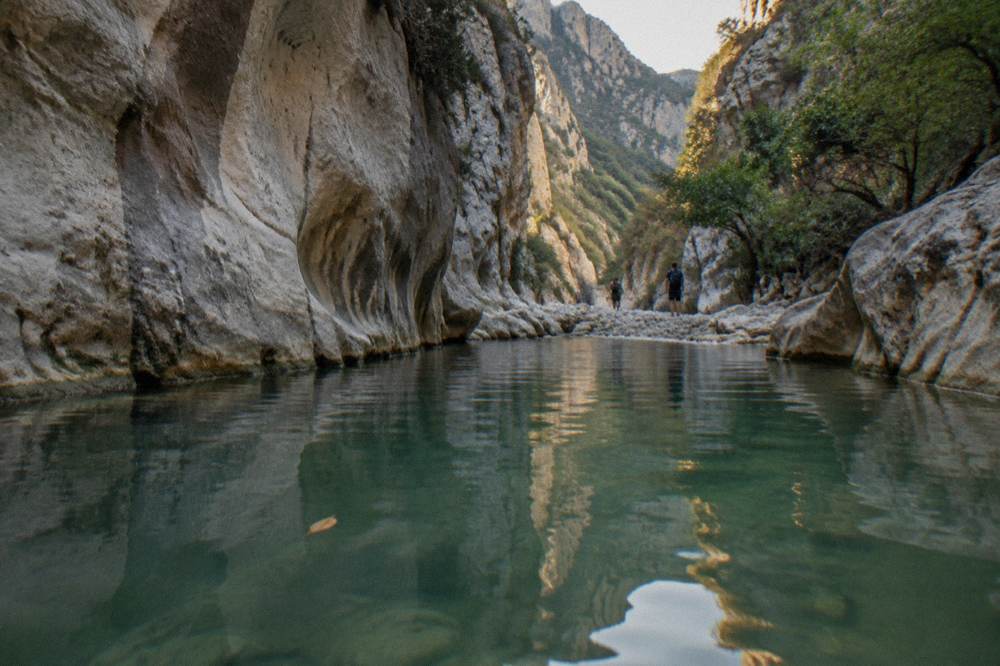
Why Do Unguided Attempts Go Wrong?
Independent attempts in Matacanes carry a high risk of accident, and the reasons are structural: no daily river-level check of your own, no ropes rigged at the drops, no flotation enforcement, and no one who knows the hydraulics and exit points. Canyoning sources describe unguided attempts as carrying a high risk of accidents such as drownings and injuries due to hydraulics and inadequate preparation. The canyon does not forgive guesswork.
The specific failure modes repeat. Water that looks calm can hold recirculating hydraulics at the base of a drop, and these are invisible from above. The 12 m single drop and the smaller rappels require gear and technique that hikers simply do not carry. Cold water incapacitates faster than expected, and the exit from the canyon is long: once you are inside, the practical way out is through, which is why groups that get into trouble tend to get fully stuck rather than merely delayed. Rescues in the canyon over the past three years have involved both injured independents and trapped excursionist groups, a general pattern the local press reports each season. Guided tours are not immune to mishap, but the kit, the guide's judgment on which jumps to take and which to rappel around, and the daily level check remove the largest failure modes.
If you are weighing guided against independent, the honest cost-and-control comparison is in Matacanes with a guide or on your own.
What Gear Does A Safe Tour Include?
A safe commercial Matacanes day includes a full-length wetsuit, a canyoning life vest, a helmet, and a harness with a descent system, plus a certified guide who rigs every rappel. Food, transport and photography vary by listing. Every Matacanes tour on this site includes the full safety kit; what differs is the catering, the group size and the meeting point.
The table below compares the safety-relevant inclusions across the Matacanes day tours you can book.
| Tour | Price from | Group max | Safety kit included | Rating |
|---|---|---|---|---|
| Matacanes Full-Day Canyoning (Gaia) | $158 per person | 25 | Wetsuit, harness, helmet, life vest, certified guides | 4.9 from 1,783 reviews |
| Matacanes From Monterrey With Lunch (Lyli) | $195 per person | Not stated on the listing | Helmet, harness, descent system, full-length wetsuit, flotation vest, headlight, certified guides, accident insurance | 5.0 from 2 reviews |
| Matacanes Small Group From The Hotel Hacienda (Camaleon) | $611 per person | 15 | Helmet, wetsuit, life jacket, harness with descent system | 4.9 from 27 reviews |
| Matacanes From Santiago With Regional Meal (Nantli) | $247 per person | Not stated on the listing | Helmet, harness, descent system, vest, wetsuit, accredited guide (NOM-09), accident insurance | No rating yet on the listing |
The Lyli listing is notable for listing accident insurance and prior rappelling experience among its expectations, which tells you it treats the day as a real technical trip rather than a splash walk. The Nantli listing names its guides as NOM-09 accredited, a Mexican tourism-guiding standard, and includes the park permit and community access in the price, which matters because two separate access fees apply at the canyon itself. We cover those fees in full in the Matacanes cost breakdown.
What Happens When The River Rises?
When the river rises, Protección Civil de Santiago suspends canyon, river and rugged-terrain activity in the Sierra de Santiago until further notice, and tours pause. Operators watch the level daily with local residents and state authorities, and a tour can be called off even on a sunny day if rain upstream has pushed water into the canyon. The operator and the booking page are the authority on whether a date runs.
This system is the single most important safety feature in the sierra, and it is easy to misread from outside. The recent suspension, after river levels rose, named Matacanes explicitly and held until a new official notice. The authority's warning deserves attention: flash floods can arrive in the canyons when it is not raining on site, because the water comes from storms in the upper sierra. That is why the daily level check exists, and why a guide's go or no-go call is not bureaucracy but the core of the safety case. The pattern is seasonal, roughly late March to mid September per operator statements, with pauses possible at any time.
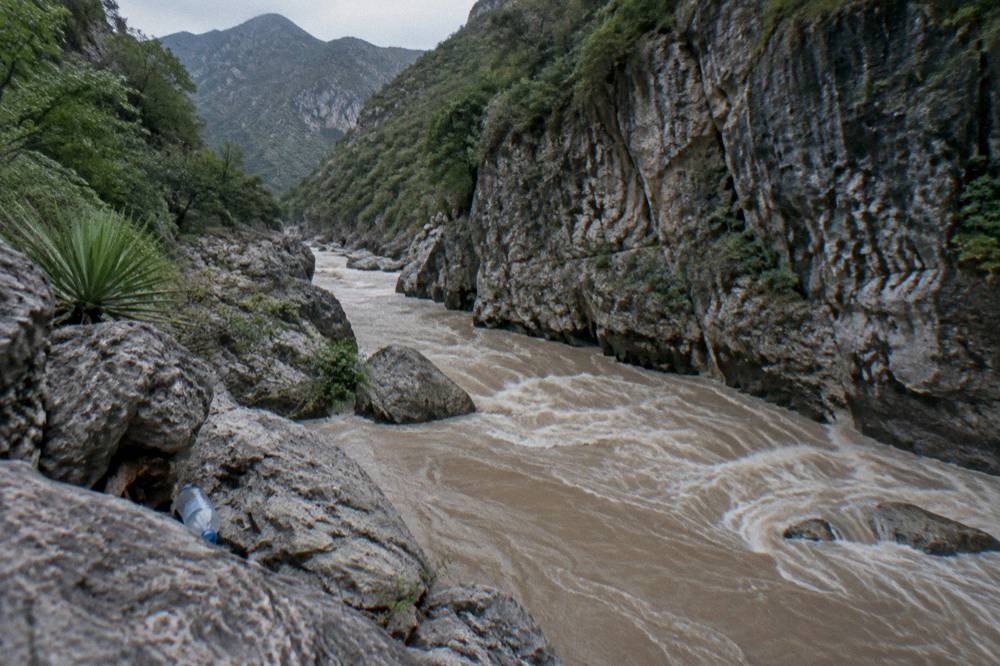
The full mechanics of closures, water levels and the annual rhythm are in Matacanes flash floods, closures and water levels, and the timing question is covered in the best time to do Matacanes.

How Do The Tour Options Compare On Risk Factors?
On safety-relevant factors, the small-group listing (max 15) offers the most guide attention per guest, the Gaia full-day (max 25) is the most reviewed at 4.9 across 1,783 reviews, and the Lyli listing is the only Matacanes tour with hotel pickup and accident insurance listed, from $195 per person. All five Matacanes listings include the full kit and a certified or accredited guide.
For a cautious first-timer, group size is the honest differentiator once gear and guiding are equal. A 15-person group gets more eyes and slower pacing; a 25-person group is cheaper and runs on the most-proven playbook. The Camaleon small-group option and the Gaia full-day sit at those two ends.
| Risk factor | What to look for | Where it is strongest |
|---|---|---|
| Guide attention | Smaller group, more guides | Camaleon, max 15, minimum age 12 |
| Proven track record | Review pool with a high rating | Gaia, 4.9 across 1,783 reviews |
| Insurance listed | Accident insurance named in inclusions | Lyli and Nantli listings |
| Pickup without driving | Hotel or downtown pickup | Lyli, from Downtown Monterrey and San Pedro Garza García |
| Cancellation flexibility | A customer free-cancellation term | Gaia and Nido listings show none; Lyli, Camaleon and Nantli do |
The cancellation column deserves a careful read. The Gaia listing, the featured tour on this page, shows no customer free-cancellation term: refunds come only if the operator cancels for weather or minimum group size, which for a weather-dependent canyon is a meaningful detail to know before you book. Others, like the Lyli and Camaleon listings, do show free cancellation. The booking page shows the live terms.
What About Kids And Older Travelers?
The listings that state an age minimum set it at 12, and operator programs describe the same 12-year minimum with children accompanied by a parent or guardian. Tours without a stated minimum age should be checked with the operator directly. There is no stated upper age limit; the real gate is the fitness and health disclosure, not the birthday.
Age, in other words, is a proxy for two things the operator actually cares about: can this person jump into cold water, and can this person sustain a full day of effort. An older traveler in good shape who swims and discloses medication honestly is a better candidate than an exhausted young adult who hid a shoulder injury. The age limits guide and the fitness requirements guide walk both questions in full.
What Should You Do Yourself To Stay Safe?
Your own contribution to safety is small but real: disclose medical conditions before the day, arrive rested and fed, wear the kit as issued without modifications, follow the guide's jump and swim calls exactly, and never pressure a guide to run a drop the group has been told to walk around. Everything else, the rigging, the level call, the pacing, is the operator's job.
The practical list is short:
- Book a listed commercial tour rather than an informal arrangement, so the kit, the guide certification and the insurance actually exist.
- Tell the operator about heart, lung, spinal or recent-surgical history, epilepsy, or significant overweight before the day, as operators request.
- Wear the wetsuit even in warm weather; the water is cold year-round in the canyon.
- Ask the operator directly about the river level and the current suspension status when you book; they check daily.
- Check the current official travel advisory for the region yourself, and ask the operator about pickup logistics if anything is unclear.
For what to pack around the safety kit, the packing and clothing guide is the companion page, and the hour-by-hour tour walkthrough shows where each hazard sits on the timeline. The site itself, Matacanes Canyoning, keeps the full listing comparison for that final check.
Common Questions About Matacanes Safety
Is canyoning dangerous?
It carries specific risks, moving water, rock impact, cold water and rope-work errors, all of which are managed by a certified guide, mandatory life jacket and helmet, and roped descents. Guided Matacanes tours stack all of these controls; independent attempts remove them, which is where most accidents come from.
Is Matacanes safe for beginners?
Operators describe the route as intermediate level, requiring regular physical condition, and swimming ability is not essential because the canyoning life vest provides buoyancy. You must be able to jump into water and sustain a full 8 to 10 hour day. First-timers with that baseline go regularly on the guided tours.
Do you need to know how to swim for Matacanes?
No, not as a strong swimmer. The specialized canyoning life jacket keeps you afloat, and operators state swimming ability is not essential. The non-negotiable is the ability to jump into water, because several drops are entered by jumping.
What safety equipment is included on a Matacanes tour?
The guided tours include a full-length wetsuit, helmet, canyoning life vest, and a harness with descent system, plus a certified guide who rigs every rappel. Some listings add a headlight and accident insurance. Check availability on the listing to see exactly what your tour includes.
Why is Matacanes sometimes closed?
Protección Civil de Santiago suspends river, canyon and rugged-terrain activity in the Sierra de Santiago when river levels rise, holding the suspension until a new official notice. The season runs roughly late March to mid September per operator statements, the level is checked daily, and flash floods can arrive even when it is not raining at the canyon. The operator and booking page confirm whether a date runs.
Can you do Matacanes without a guide?
Technically people attempt it, and independent attempts carry a high risk of accident, per canyoners' own reports: no rigged ropes, no level check, no flotation enforcement, and hydraulics that are invisible from above. A guided tour is the safe way to see the canyon.
Is there an age limit for Matacanes?
The listings that state one set a minimum age of 12, matching operator programs that require children to be accompanied by a parent or guardian. Some listings state no minimum age; ask the operator directly. There is no stated upper limit; fitness and health disclosure are the real gates.