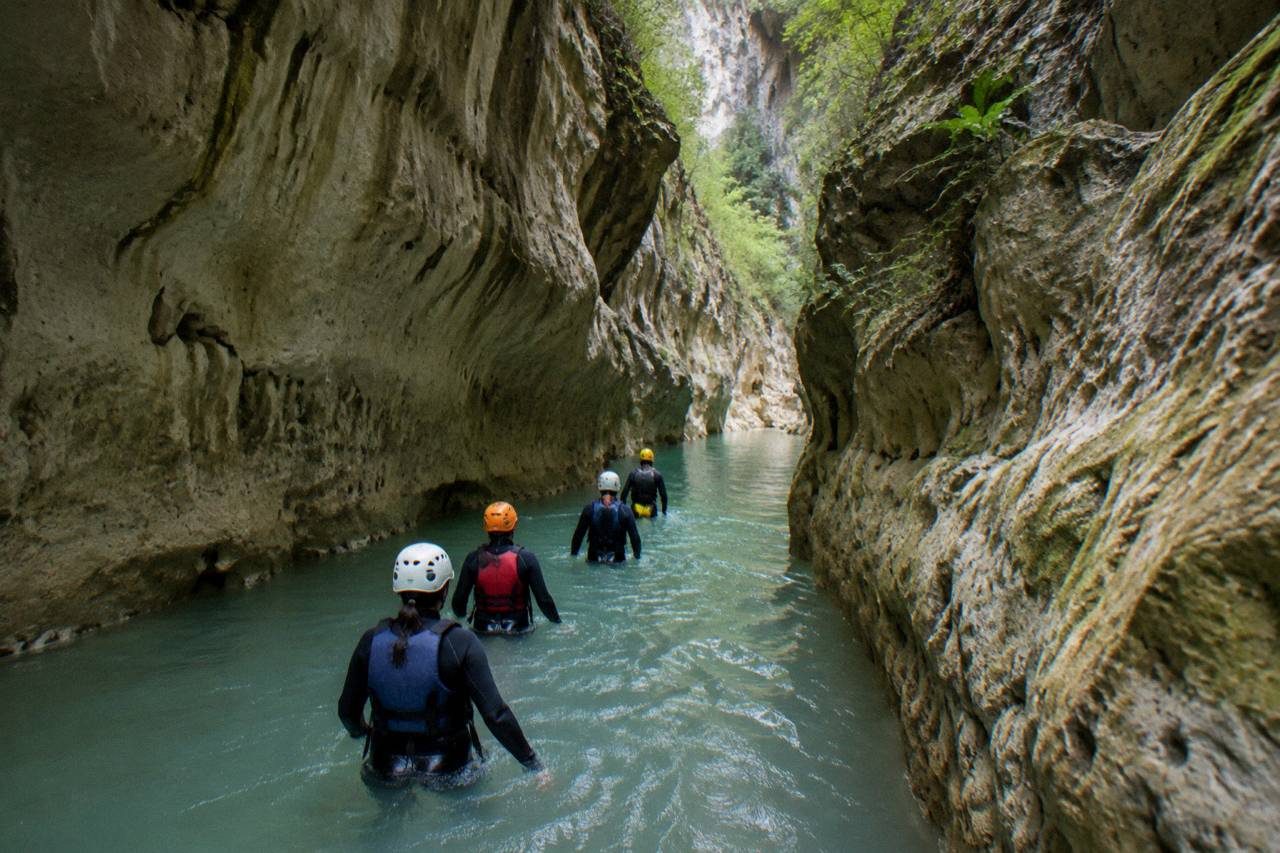
What Is The Highest Jump In Matacanes?
The highest jump in Matacanes is a 12 meter drop, as the operator describes the route. Here is what that means, which jumps you can skip, and how to pick the tour.
What Is The Highest Jump In Matacanes?
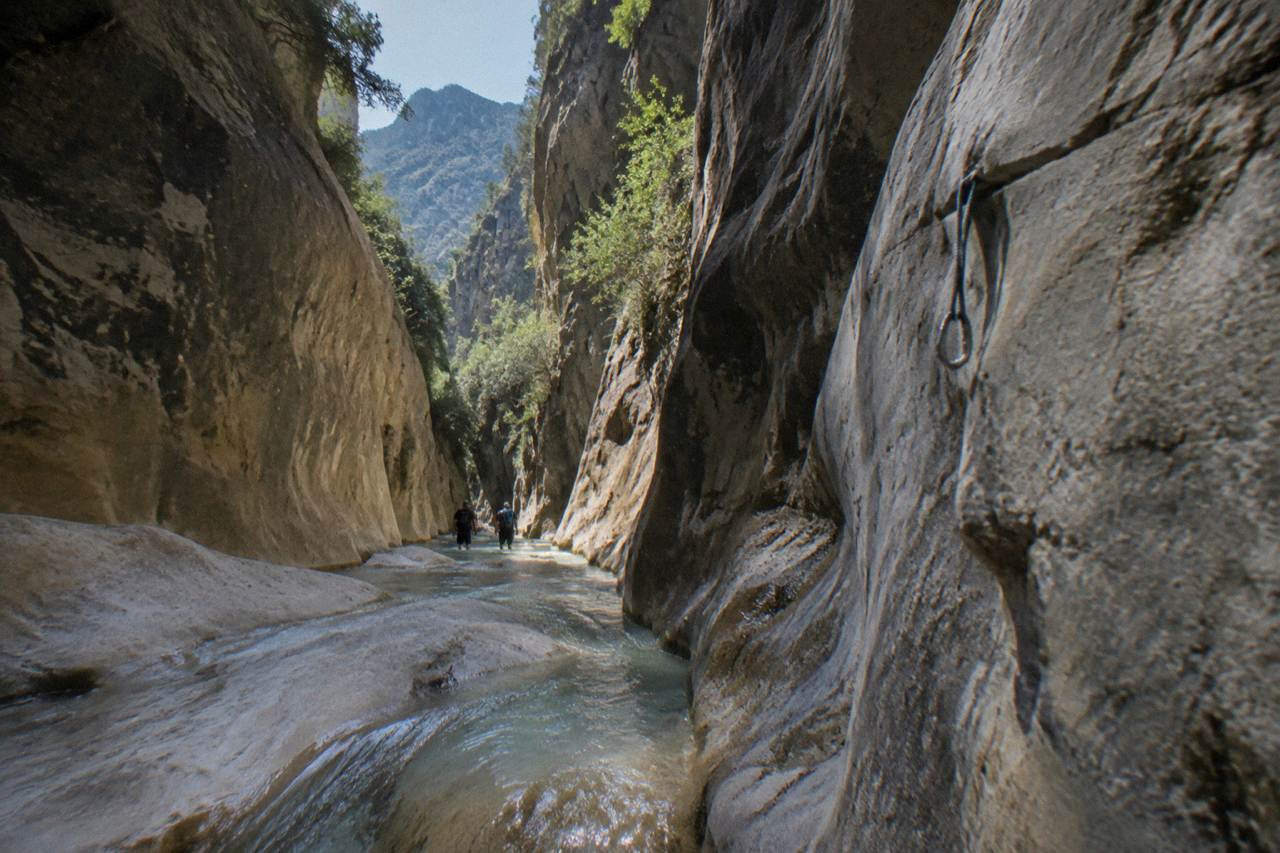
The highest jump in Matacanes is a single drop of 12 meters, as the operator's own route description states it. That figure is the one verified number attached to the canyon's jumps, and it is also the number that decides many bookings: guides report that the 12 meter drop, plus several smaller jumps, slides and rappels, is the nerve test of the whole day. Operators describe jumps up to 12 meters, with some described as mandatory on the guided route.
That 12 meter figure deserves context, because "jump" covers two different things in Matacanes. The verified route description lists water jumps, swimming sections, rappels, natural slides and a 12 m single drop. The drop is the headline obstacle. Operators who run the canyon describe tours of roughly 8 to 10 hours with a large share of that time spent in the water, water cold enough that wetsuits are standard issue, and a sequence of jumps where the biggest one stands at that 12 meter mark.
If you found this page because one number is blocking your booking decision, the honest framing is this: 12 meters is roughly the height of a four story building, you land in a deep pool rather than shallow water, and you wear a canyoning life vest the whole way. The vest is not decoration. Local authorities treat life jackets as mandatory in the canyon, and every guided tour on the roster supplies helmet, harness, vest and wetsuit as part of the package.
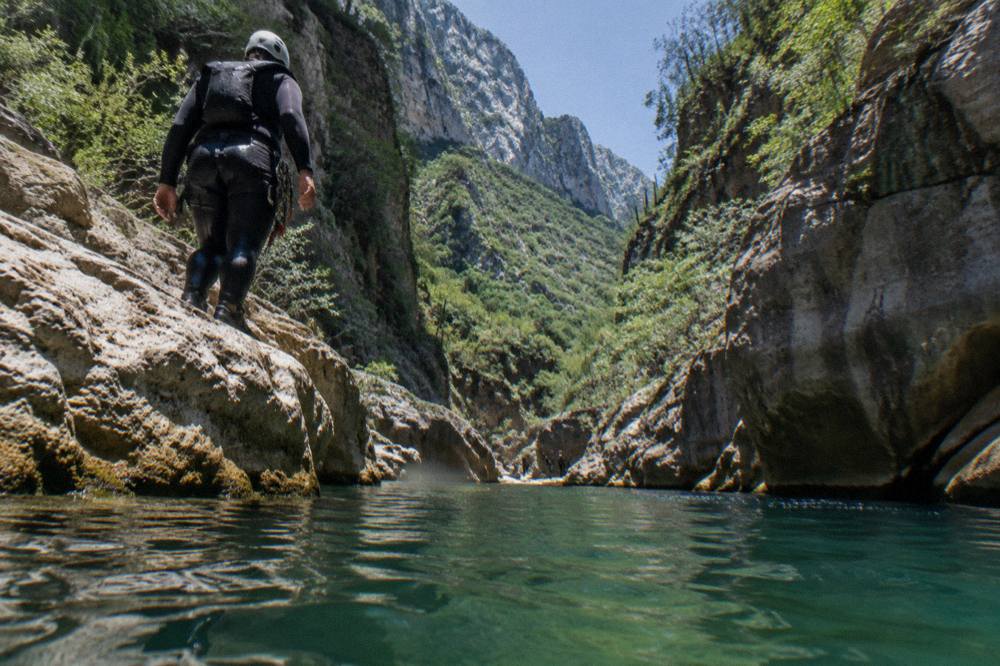
It is also worth separating the jump question from the difficulty question, because they are not the same test. The canyon asks for regular physical condition, comfort with heights, and the ability to jump into water, which is not the same as being a strong swimmer. We cover that distinction in detail in how hard the Matacanes route is, and the short version is that the jumps are one input among several.
For readers who want to see the full day laid out obstacle by obstacle, the Matacanes route with rappels, jumps and slides walks the canyon from entry to exit. This page stays on the jump question, because that is the one that makes people open a new tab and search for reassurance.
Here are the three most booked options for a day built around those jumps. Prices are snapshots; the live listing shows the current figure.
Can You Skip The Big Jump In Matacanes?
Sometimes yes, sometimes no, and the honest answer depends on the obstacle and the guide on the day. Operator descriptions of the route state that some jumps up to 12 meters are mandatory on the guided line, while others have an easier bypass. Guides can also reroute a group when water levels or a participant's condition call for it. Ask the operator before booking which obstacles are compulsory on their program.
The word "mandatory" needs unpacking, because it sounds harsher than the reality. On a guided Matacanes descent, the group moves through a canyon with a fixed exit strategy. Certain drops sit at points where the only way onward is down, and those are the ones operators describe as mandatory. Other jumps exist purely for the thrill and have a walk-around or a lower entry point. Your guide makes the final call on the day, and a good one will tell you at each obstacle whether it is a must-do or an opt-in.
The reason a jump can be compulsory is geometry, not machismo. Once you have rappelled or slid into a section of narrows, the walls behind you may offer no exit path, and the only continuation is the pool below the drop. This is why operators ask participants to be able to jump into water as a baseline requirement, even when swimming ability itself is described as not essential thanks to the buoyancy of the canyoning life vest.
A practical tip from the way tours are run: tell your guide early, at the safety briefing, that the big jump worries you. Guides deal with nervous jumpers on nearly every departure. Saying it at the start gives the guide time to plan where you bypass, where you jump with a countdown, and where you simply watch. Saying it standing on the ledge helps nobody.
One thing you cannot skip your way out of is the canyon's temperament. Protección Civil de Santiago can suspend canyon activities in the Sierra de Santiago when river levels rise, and the operator season typically runs from about March 21 to about September 15, rain dependent. The booking page and the operator are the authority on whether your date runs, and the authority has warned that flash floods can hit these canyons even when it is not raining on site.
How High Are The Other Jumps And Slides?
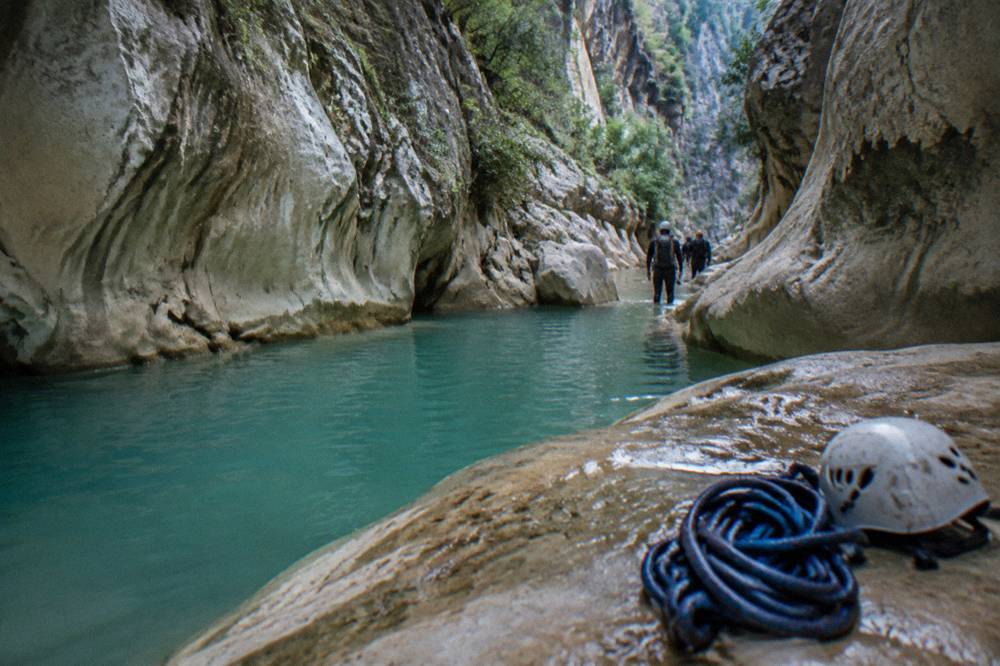
The verified route description names water jumps, natural slides and rappels alongside the 12 m single drop, but no verified height list exists for each individual obstacle. Operators describe the full set as reaching up to 12 meters, with most jumps well below that and several slides carrying no drop at all. Any tour that promises a precise menu of jump heights is estimating, not quoting.
What the route verifiably contains, per the operator's own page at GEO Aventura's Matacanes description, is this set of features: water jumps, swimming sections, rappels, natural slides, and the 12 m single drop. That is the whole verified inventory. Everything beyond it, including the exact count of jumps or the height of the second biggest, is the kind of detail that shifts with the season, the water level and which variant of the route the guide chooses.
To keep the numbers honest, here is what is verified versus what is variable, in one place:
| Route feature | What is verified | What varies |
|---|---|---|
| Single drop | 12 m, per the operator's route description | Whether it is jumped or descended on a guided line |
| Water jumps | Present on the route, up to 12 m | Individual heights, count, and which are mandatory |
| Natural slides | Present | Length and whether they run dry or wet |
| Rappels | Present, with harness and descent system supplied | Number and height per operator program |
| Water temperature | Operators describe cold water, 12 to 18°C | Day to day, and how cold it feels in a wetsuit |
| Time in water | Operators describe 70% or more of the 8 to 10 hour day | Route variant and group pace |
If that table reads as "the 12 meters is the only firm number," that is exactly right, and it is the right way to read any canyon. Water levels reshape jumps week to week. A jump that lands in a deep pool in April can sit above a shallower pocket after a dry stretch, and guides adjust entries accordingly. This is also why unguided attempts are a bad idea: the people who know today's water are the guides and the Potrero Redondo residents who monitor the level daily.
Your body notices the cold more than the height on the smaller obstacles. With tours spending most of the day in water at 12 to 18°C, the wetsuit is not optional comfort, it is what keeps your hands working on the rope. We list what else goes in the pack in what to bring and wear to Matacanes, and every roster tour supplies the core safety kit regardless.
One cost note that surprises first-timers: the jump itself is included in your tour price, but the canyon is not free to enter. The national park entry fee is 125 MXN per person per day per the park authority, and the community of Potrero Redondo charges an official ejido access fee of 60 MXN per person at the route entrance. Some tours bundle permits and access into the ticket, so check inclusions before you assume.
Still deciding whether the day is for you? This is the operator's most booked canyon program and the one most jump-questioners end up on.
What Does Jumping 12 Meters Actually Feel Like?
Nobody can promise you a feeling, but the physics and the reports line up clearly: 12 meters is about four stories, the fall lasts roughly 1.5 seconds, and you hit the water at speed before the life vest pops you back to the surface. Canyoners describe the build-up as far worse than the jump itself, which is why guides use short countdowns.
The lead-up is the hard part. You stand on polished rock, toes at the edge, looking at a pool that looks smaller from above than it is. Guides counter this with rhythm: a three count, a breath, a step. The jump itself is over before your fear catches up, and the cold water closes the argument. Then the vest does its job, you surface, and the group cheers, which is a real and documented feature of every canyoning descent everywhere. Everything else covered here is indexed on Matacanes Canyoning.
A few technique points that guides teach and that apply to any jump near this height. Jump out, not just down, so you clear the rock shelf beneath the lip. Keep your body vertical, arms crossed at your chest or holding your vest straps, legs together. Hold your breath briefly on entry. And listen to the guide's entry spot: they are aiming you at the deepest part of the pool, not entertaining suggestions.
The mental framing that works for most people is to stop negotiating with yourself at the top. Decide on the ledge approach whether you are jumping, then commit to the guide's count. The jumpers who struggle are the ones who restart the internal debate three times per second. Guides have seen every flavor of hesitation and will happily give you a longer lead-in, but they cannot make the pool deeper or the rock shorter.
It helps to know the day around the jump, too. The 12 meter moment is one episode inside a long outing: tours run roughly 8 to 10 hours door to door, most of it in the water, with rappels and slides between the jumps. If you want the full timeline, our breakdown of how long the Matacanes tour takes sets out where the big drop typically sits in the sequence and what the rest of the day asks of you.
For experienced canyoners who want a program that assumes prior rappelling skill, there is a listing built for exactly that profile, with round-trip transport from Monterrey and a full meal included.
Which Tour Should You Book For The Jumps?
Every full-day Matacanes listing on the roster covers the same canyon and the same jump sequence, so the choice comes down to price, group size, transport and inclusions rather than obstacles. Within the Matacanes day tours, prices run from $144 per person to $611 per person, group sizes from 15 to 30 where stated, and ratings from 4.2 to 4.9.
Here is the honest comparison, using only figures the listings state:
| Tour | Price | Duration | Group size | Rating | Notes on the day |
|---|---|---|---|---|---|
| Matacanes Full-Day Canyoning | from $158 per person | about 1 day | max 25 | 4.9 across 1783 reviews | Most reviewed listing; wetsuit, harness, helmet, vest, breakfast, snacks, transport from meeting point and photos included |
| Matacanes Full Day From Walmart Las Torres | from $144 per person | about 12 hours | max 30 | 4.2 across 5 reviews | Earliest start per listing, 4:00 a.m. at Walmart Las Torres; free cancellation; small review pool so far |
| Matacanes Small Group From The Hotel Hacienda | from $611 per person | about 9 hours | max 15 | 4.9 across 27 reviews | Minimum age 12 stated; smallest group cap; breakfast tacos and snacks included |
| Matacanes From Monterrey With Lunch | from $195 per person | about 12 hours | not stated | 5 across 2 reviews | Hotel-zone pickup from Downtown Monterrey and San Pedro; full meal and accident insurance included; prior rappelling experience required per listing |
| Matacanes From Santiago With Regional Meal | from $247 per person | about 9 hours | not stated | no reviews yet | New listing; Spanish-language guide per listing; regional meal, 4WD canyon transfer and permits included |
For the jump question specifically, group size is the sleeping variable. In a group of 25 or 30, the big jump becomes a spectator event: you watch two dozen people do it before your turn, which either normalizes it completely or builds an hour of dread. In a group capped at 15, the pace is quicker and the guide has more time per person at each obstacle. Neither is wrong, but know yourself when you pick.
The listing with the deepest review pool, 4.9 across 1783 reviews on the full-day tour from $158, is the one most first-time canyoners book, and it is the one we would point a nervous jumper toward for that reason alone: the operation has run this descent an enormous number of times. Meeting points are at Walmart Supercenter Eugenio Garza Sada or the Hotel Hacienda Cola de Caballo lot, with round-trip group transport from there, and note that this listing carries no customer free-cancellation term, refunds only if the operator cancels for weather or minimum group size.
At the budget end, the $144 full day from Walmart Las Torres is the cheapest verified way onto the same route, with the caveats printed above: a 4.2 rating from only 5 reviews so far, a 4:00 a.m. meeting, and no meal included. It is a real option for a confident traveler on a tight budget.
How Do You Prepare For A 12 Meter Jump?
You cannot rehearse the exact jump, but you can remove every avoidable stressor around it: confirm you meet the fitness baseline, practice jumping into deep water feet first, sleep and eat properly, and tell the guide about any health condition in advance. Operators exclude participants with heart or lung conditions, recent surgeries, spinal problems or epilepsy unless cleared beforehand.
The physical preparation is less about courage and more about the baseline. Operators describe the level as intermediate, requiring regular physical condition, and they ask participants to flag significant overweight or health issues before the day. None of that is gatekeeping for its own sake: a canyon day is hours of cold water, swimming with a vest, and gripping ropes with numb hands. The jump is the shortest part.
The mental rehearsal you can actually do is simple. Next time you are in a pool, jump in from the edge, then from a higher point if one is available, feet first, breath held on entry. You are training two things: the exhale reflex and the commitment to step out rather than drop straight down. Neither needs 12 meters to practice. Canyoners also report that watching one person go before you, ideally the most nervous person in the group, does more for morale than any pep talk.
Logistics reduce fear too, which sounds odd until you have stood on a ledge at hour seven with a headache. Book a tour whose inclusions match the day: the listings differ on meals, with breakfast and snacks on most and a full meal on a couple. Wear what the operator lists, bring what the packing guide suggests, and arrive having actually slept. Fatigue at altitude, in cold water, is the honest factory of bad decisions.
Finally, pick your moment in the season. Operators run roughly March 21 to September 15, water level permitting, and Protección Civil can suspend the canyon at any time when rivers rise. Spring usually brings colder, higher water; late summer brings the rain risk. The booking page and the operator are the authority on whether a date runs, so anchor your plans to their confirmation, not to a calendar promise.
Here are the three listings we would shortlist for a jump-focused day, one more time, with live prices and availability on each listing.
Common Questions About The Matacanes Jumps
What is the highest jump in Matacanes?
The highest jump is a single drop of 12 meters, as the operator's route description states. Operators describe jumps up to 12 meters on the guided route, with some described as mandatory and others optional at the guide's discretion.
Do you have to jump in Matacanes?
You have to be able to jump into water, which is a stated baseline requirement even for weak swimmers, because the canyoning life vest provides buoyancy. Some specific jumps up to 12 meters are described as mandatory on the guided line where no bypass exists, while others can be skipped. Tell your guide at the briefing which obstacles worry you.
Can non-swimmers do the Matacanes tour?
Operators state that swimming ability is not essential because the specialized canyoning life jacket provides buoyancy, but participants must be able to jump into water. Life jackets and helmets are supplied and mandatory on guided tours. If you are uneasy in deep water, say so when you book so the operator can advise you honestly.
How cold is the water in Matacanes?
Operators describe water temperatures of roughly 12 to 18°C, with 70% or more of the 8 to 10 hour tour spent in the water. Every roster tour supplies a full-length wetsuit as part of the package, which is what makes those temperatures manageable for a full day.
Is there a minimum age for the jumps?
The small-group listing from Hotel Hacienda states a minimum age of 12, and one operator states 12 with a parent or guardian accompanying. Several listings state no minimum age, so the honest rule is to ask the operator directly when booking, and to check the fitness and swimming requirements in our guide to age limits and kids.